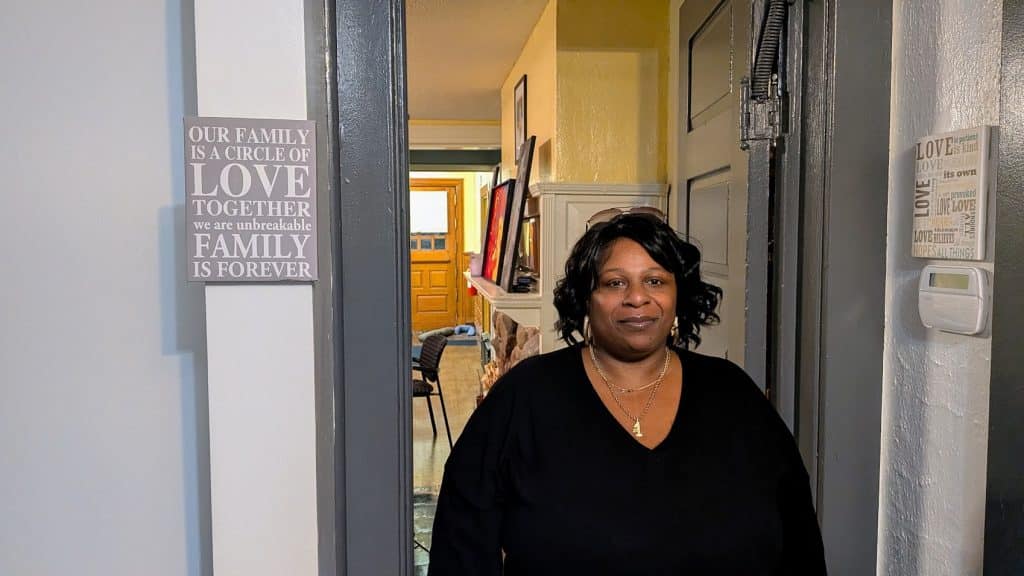
Eleven years after police killed her 12-year-old son, Samaria Rice thinks that a play about Tamir needs reviving more than ever.
The Black youth’s death at the hands of white Cleveland police officers in 2014 helped to spur the Black Lives Matter movement and police reforms in Cleveland and around the country. But now, Rice says, racism “is getting worse and worse and worse as long as this orange guy is in office. The country is in despair right now and outrage. It’s important that we show our resilience through the arts and any other entities that can open up that conversation and keep it going.”
President Donald Trump, critics say, has reversed many steps toward equity, censoring racial history, banning diversity programs, sending troops to police American cities, and moving to cancel several cities’ consent decrees for police reforms. He has not yet gone after Cleveland’s decree, but Rice still thinks that his second term is all too apt a time for November 8’s revival of Objectively/Reasonable: A Community Response to the Shooting of Tamir Rice, 11/22/14.
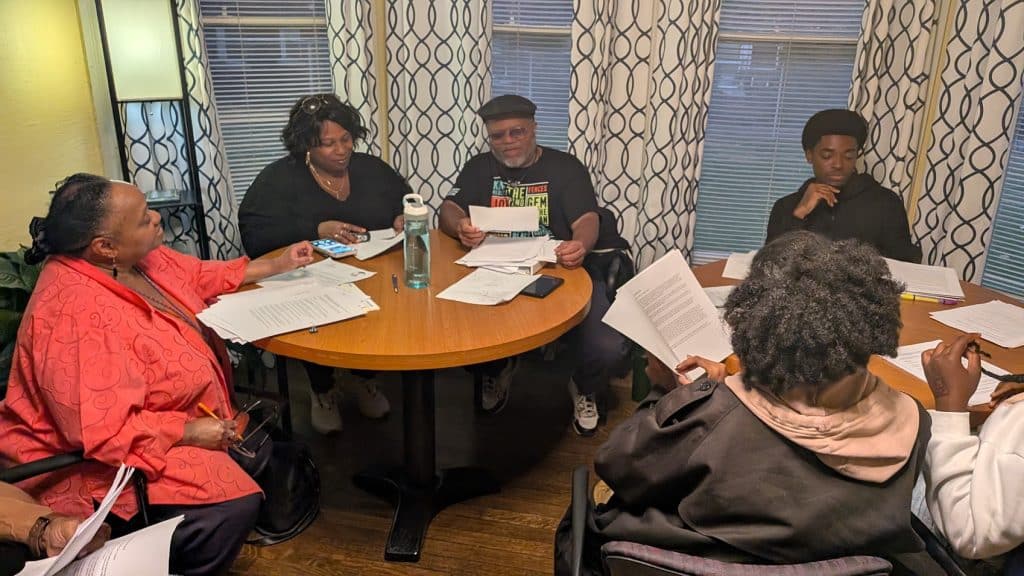
Performers will portray Samaria, her lawyer and other residents speaking out about that slaying and its aftermath. Ticket sales will help her open her long-sought Tamir Rice Foundation Afrocentric Cultural Center at 6117 St. Clair Ave.
Terrence Spivey, the play’s director, asks about the America of 2025, “What is this, Moscow, where they try to censor everything? People are still hungry to see the truth. We’re going to speak out loud with the arts.”
Tamir’s last day
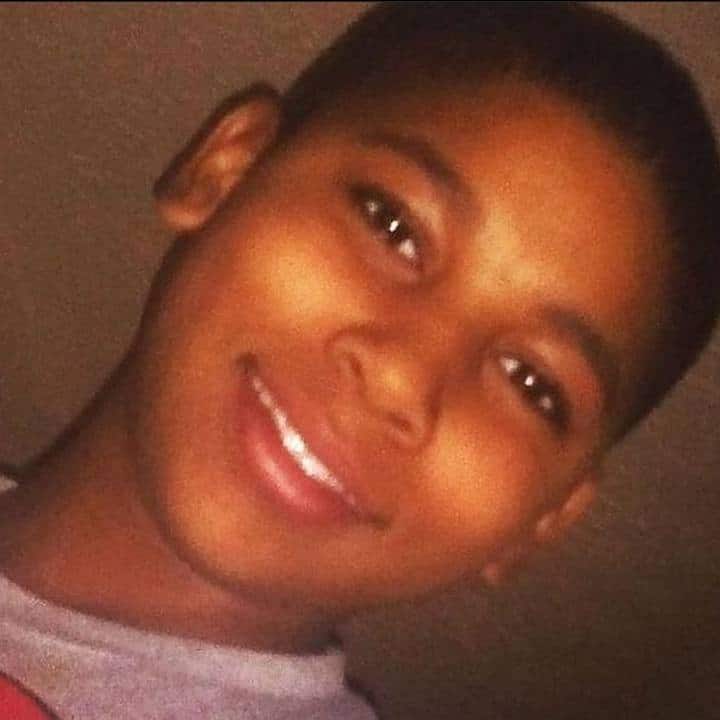
Played by TV and movie veteran Phyllis Yvonne Stickney, Samaria’s character will recall the youngest of her four children as hyperactive, clingy, loving and helpful. He liked to mop and was learning to cook, wash the dishes and do laundry. “He was the one to keep my family together. To brighten everybody’s days up. It was a joy to have him.”
On Nov. 22, 2014 , according to investigations, news articles and other sources, Rice sent Tamir and his sister, Tajai, 14, to play at the nearby Cudell Recreation Center. He brought along a friend’s pellet gun. The friend had reassembled it but couldn’t replace the orange tip marking it as a toy.
Grainy surveillance video filmed at slow speed shows Tamir, 5-foot-7 and 195 pounds, hanging around a gazebo at Cudell, taking the gun in and out of his waistband, pointing it here and there, throwing a snowball and laying his head in his hands on a table. A caller to 911 said that a Black male, probably a youth, was pointing at people with a gun, probably fake. Skipping those qualifiers, the dispatch center told police that a Black male was pointing a gun at people.
Soon a patrol car came skidding about 40 feet across the snowy lawn and stopped with the front passenger door near Tamir. Officer Timothy Loehmann jumped out of that door and shot the youth twice in less than two seconds. He and the driver, Officer Frank Garmback, would claim later that Tamir had ignored commands to raise his hands and had reached for the gun in his waistband.
Tamir got no first aid for four minutes after the shots, until an FBI agent working nearby gave it. Meanwhile, Tajai came running from inside the center toward her fallen brother. Police held her down in the snow, handcuffed her, and put her in the back of the cruiser for 75 minutes.
Dealing with death

A defense expert called the two officers’ conduct “objectively reasonable.” A Cuyahoga County grand jury declined to indict them. Federal officials said that the evidence didn’t justify charges.
Cleveland fired Loehmann for falsehoods in his job application about his poor record elsewhere. Garmback was suspended for five days and a dispatcher for eight days, while another dispatcher involved resigned. Samaria Rice sued Cleveland and got a $6 million settlement.
Since the shooting, Cudell’s yard has been changed. The gazebo was sent to Stony Island Arts Bank in Chicago. Rice and others installed a Tamir Rice Butterfly Garden. On Oct. 20, 2025, Cleveland City Council declared the garden a landmark.
The community speaks
Objectively/Reasonable was written by David Todd, Tom Hayes, Lisa Langford, Mike Geither and Michael Oatman based on interviews with Rice, her lawyer and other locals. Spivey directed the play in 2016 and 2017 for Playwrights Local at Creative Space at Waterloo Arts and other venues, as well as an excerpt on National Public Radio.
This time he’s staging the play at Near West Theatre with his troupe, Powerful Long Ladder. The show will include images of Black struggles over the centuries.
Cleveland Scene’s Christine Howey has called the play “powerful and resonant… The sad reality of the shooting of this child is brought home with force.”
Plain Dealer critic Andrea Simakis said, “It shouts and weeps. It discusses and dissects and sets the notion of ‘a post-racial society’ on fire. It demands our attention.”
A couple of the play’s characters defend the officers. A patrolwoman says, “Given the training and that situation, I don’t believe they did anything incorrectly.”
But most characters berate them. A 10-year-old girl says, “It was like a drive-by; as soon as they came, they started shooting.” A man says that Ohioans are allowed to carry guns and that the police drove right up to a supposedly dangerous man.
Several characters call the killing racist. “Animals have more rights than us. If you hurt an animal, you’re fined and you do time. Kill us, you walk free.”
The characters also grieve for Tamir’s survivors. “I just pray they’re able to move forward, but you can never move forward with the loss of your child.”
Tamir’s center
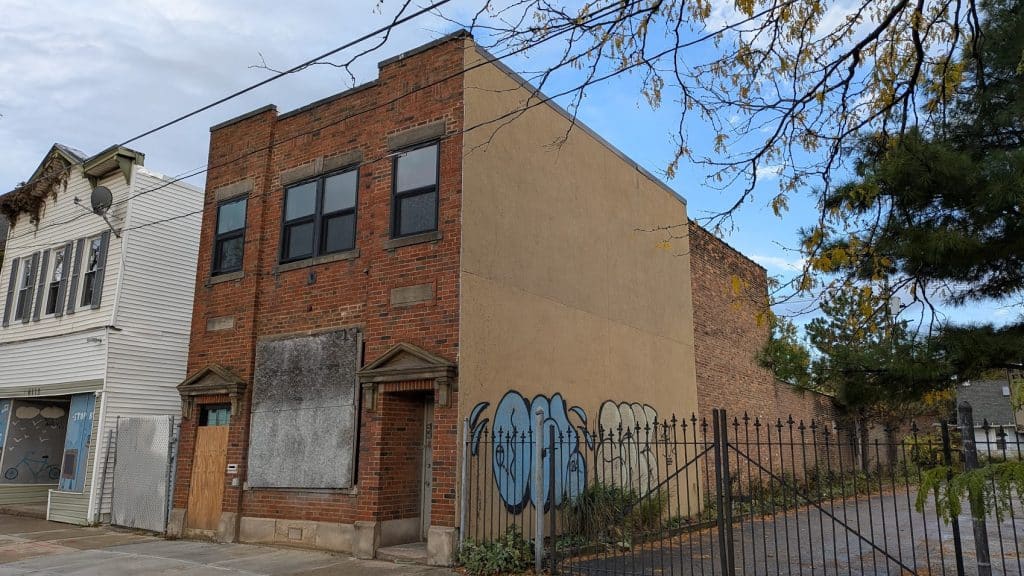
Rice plans for the Tamir Rice Center to offer youth programs after school in arts and in civic engagement. “Our children are being let out with nothing to do.” She wants to help them “grow and express themselves in a positive and safe way.”
She criticizes local governments for failing to support the center. Still, with the help of donations and grants, she has spent about $700,000 to buy and remodel the center’s home. She’s seeking another $300,000 to finish and open it.
Rice says it’s always hard for her to watch the play. “Who wants a play on the death of their son? But I have to be his voice and speak up for what’s right.”Objectively/Reasonable will be part of a reception from 4:45 p.m. to 9 p.m. on Nov. 8 at Near West Theatre, 6702 Detroit Ave. A ticket costs $71.21, including a $6.21 fee, and may be bought through eventBrite. The play will begin about 7 p.m.
Keep our local journalism accessible to all
Reader support is crucial as we continue to shed light on underreported neighborhoods in Cleveland. Will you become a monthly member to help us continue to produce news by, for, and with the community?
P.S. Did you like this story? Take our reader survey!