
Cleveland co-op program fosters worker-owned business growth
Cleveland Owns, a nonprofit “economic democracy incubator” founded in 2019, supports five area cooperatives keen on building economic power among members. In November, the group hosted Dolphin Tank, a night of celebration for graduates of its Co-op U incubator initiative. The 14-week program provided participants with a comprehensive introduction to the financial model, historical background and organizational framework of co-ops.

What happens when a business is wholly owned and controlled by its members, where profits are distributed to employees rather than investors? The International Co-operative Alliance defines this cooperative, or co-op model, as “an autonomous association of persons united voluntarily to meet their common economic, social, and cultural needs…through a jointly-owned and democratically controlled enterprise.”
This wordy mantra is the passion of Cleveland Owns, a nonprofit “economic democracy incubator” founded in 2019 that supports five area cooperatives keen on building economic power among members. In November, the group hosted Dolphin Tank, a night of celebration for graduates of its Co-op U incubator initiative. The 14-week program provided participants with a comprehensive introduction to the financial model, historical background and organizational framework of co-ops.
“We are one part community organizer and one part business developer,” said Cleveland Owns lead organizer Jonathan Welle. “We’re at the center of that Venn Diagram.”
Run by Cleveland Owns, alongside similar organizations in Cincinnati and Dayton, Co-op U graduated 11 individuals involved in the formation of three new co-ops – modular home producer Good Building, combined brewery and Muay Thai gym BrewKicks, and Badger House Coffee Company.

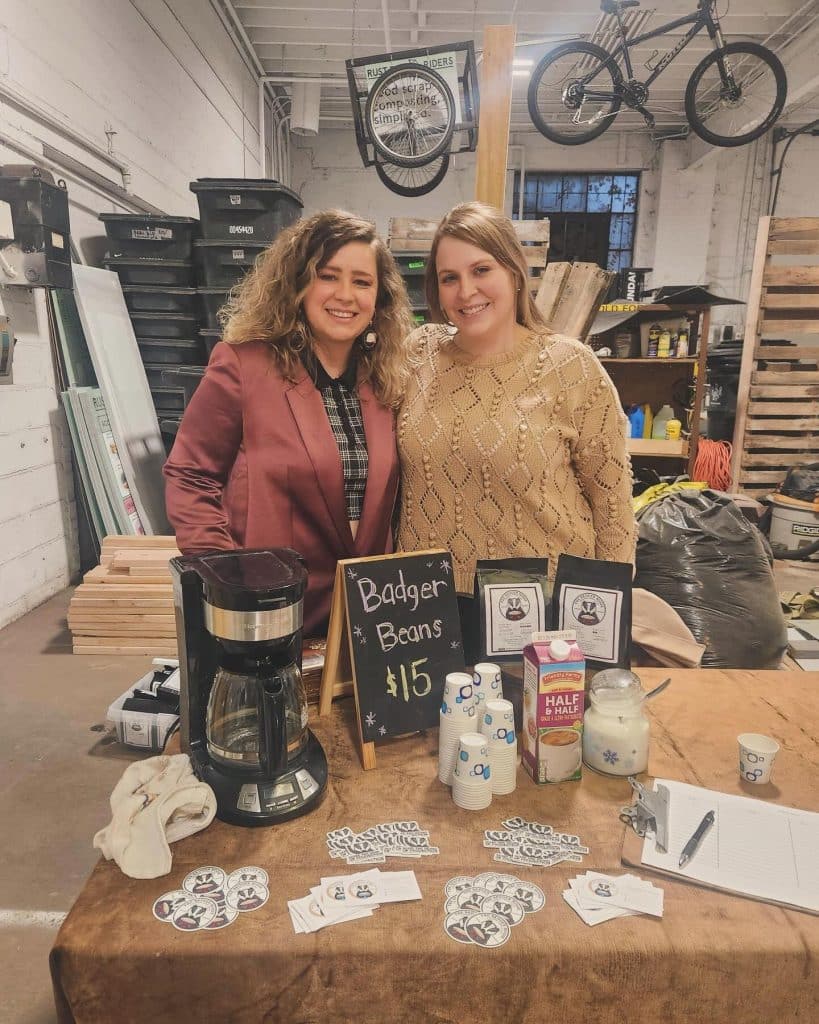
Ideally, this education will create a dynamic where all employees have a meaningful voice in the company’s direction, said Badger House Coffee Company co-founder Danielle Thompson.
Although Thompson and her two partners started with a traditional business plan, learning about Cleveland Owns led to a heightened emphasis on worker rights, she said.
“We always wanted to do a co-op, but didn’t know how to get started,” said Thompson. “I came across Cleveland Owns on social media, then reached out to them to ask what they did. That was the missing piece I needed.”
Workers have their say
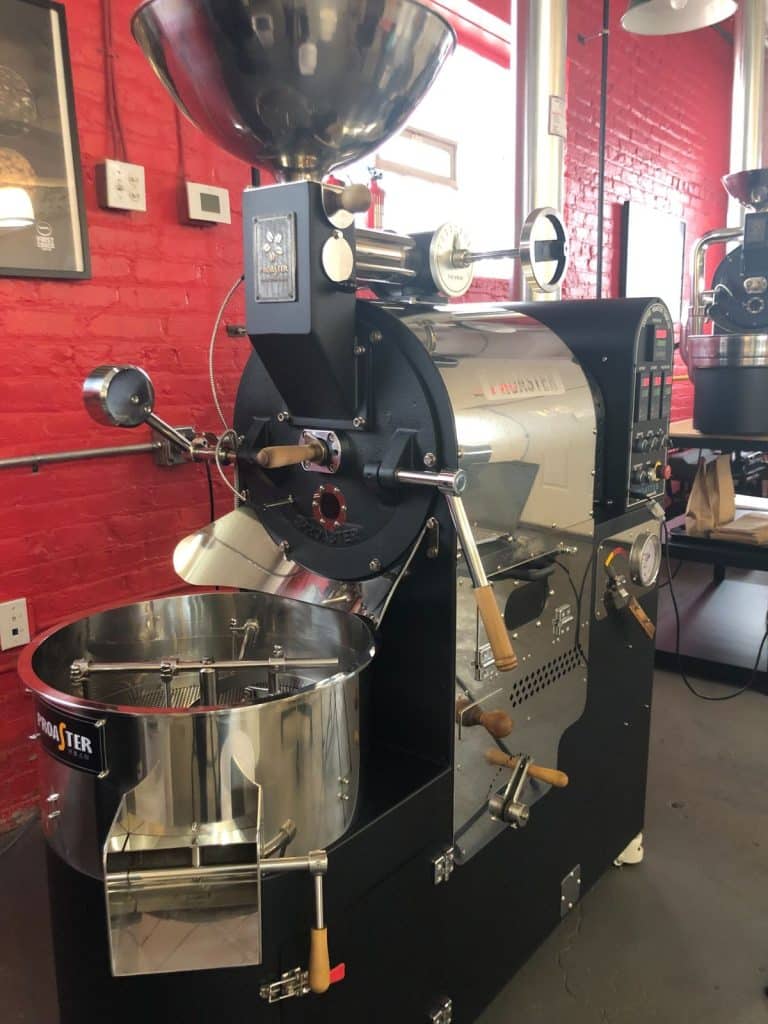
Badger House Coffee Company is currently grinding beans at First Crack Coffee, a Cleveland co-roasting facility. While seeking to get their product on shelves, the owners are also busy shaping their own unique co-op model, Thompson said.
Generally, member-owners have a say in how the cooperative operates. Compared to company shareholders – where individuals with a larger stake possess greater influence over operations – the opinion of one co-op member does not carry more weight than that of their fellows.
Cooperatives value democracy, equity and solidarity, but neither are they some flawless utopia, said Thompson. Although Badger House Coffee Company has yet to expand ownership, its current team actively engages in open debates on all significant matters. In the case of its marketing strategy, for instance, a democratic decision-making process led to the implementation of the co-op’s marketing plan.
“We went into this with expectations to have disagreements, and be open to other people’s ideas,” said Thompson. “I’m lucky to have found the people I have with the team, because our values align really well.”
There exist about 29,000 cooperatives in the U.S., generating approximately 2 million jobs across all industry sectors, along with $652 million in yearly sales, according to the Independent Welding Distributors Cooperative. Cooperative-based nonprofits in Dayton and Cincinnati have existed for years – Co-op U sponsor Co-op Cincy has launched more than 10 worker cooperatives since 2020, said president and co-founder Kristen Barker in a press release.
Welle of Cleveland Owns said that partnering with a pair of like-minded nonprofits for the recent incubator was an easy choice.
“Dayton has been doing this work for years as well, so we said, let’s do a statewide version,” he said. “There is a big appetite for cooperatives in Ohio. This was an opportunity to use our resources to invite people with a passion for this model.”
Co-op history goes back to the mid-19th century, when the Rochdale Pioneers – a group of cotton mill workers in the town of Rochdale, England – formed a prototype co-op in light of miserable working conditions.
Today’s cooperatives carry a similar spirit of shared hope and prosperity, noted Welle.
“Folks understand the weakness of today’s economic system,” Welle said. “They want power to make their own decisions instead of feeling isolated. Economic democracy resonates in times of peril, so let’s practice this in our day-to-day lives.”
Keep our local journalism accessible to all
Reader support is crucial as we continue to shed light on underreported neighborhoods in Cleveland. Will you become a monthly member to help us continue to produce news by, for, and with the community?
P.S. Did you like this story? Take our reader survey!
Author

Related Articles
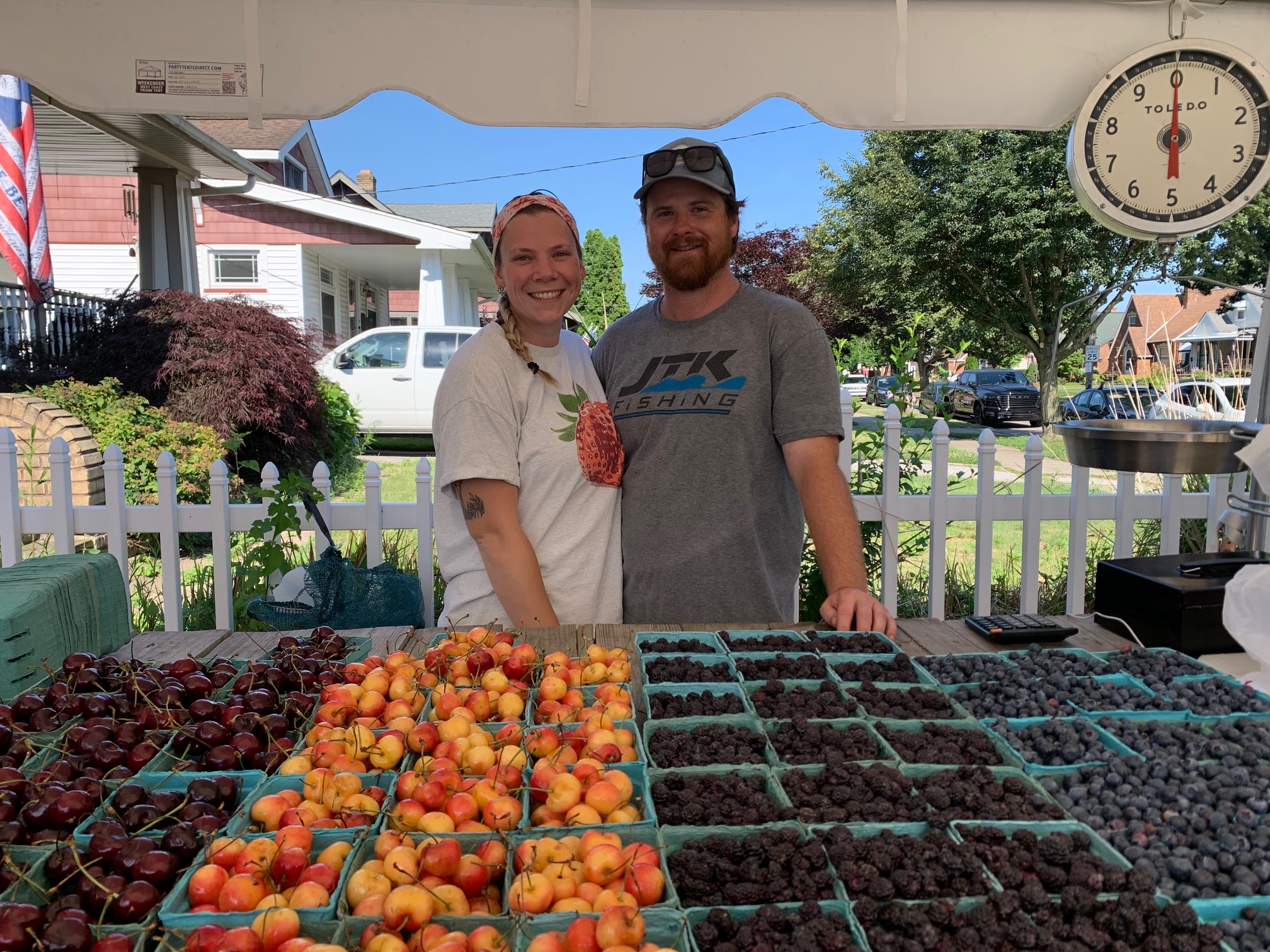
Bringing the farm to the city: Farm Dog Fresh offers fresh, local produce on Cleveland’s West Side
One customer says: “For [Clevelanders], sometimes it’s hard to get fresh, local produce. We need to take advantage of these produce stands for the four or five months out of the year that they’re open.”

Keeping the light on at Can Do Neon
Preserving the art of neon sign making is Craig Alan Nichols’ mission, but he’s in search of a student and medical aid.
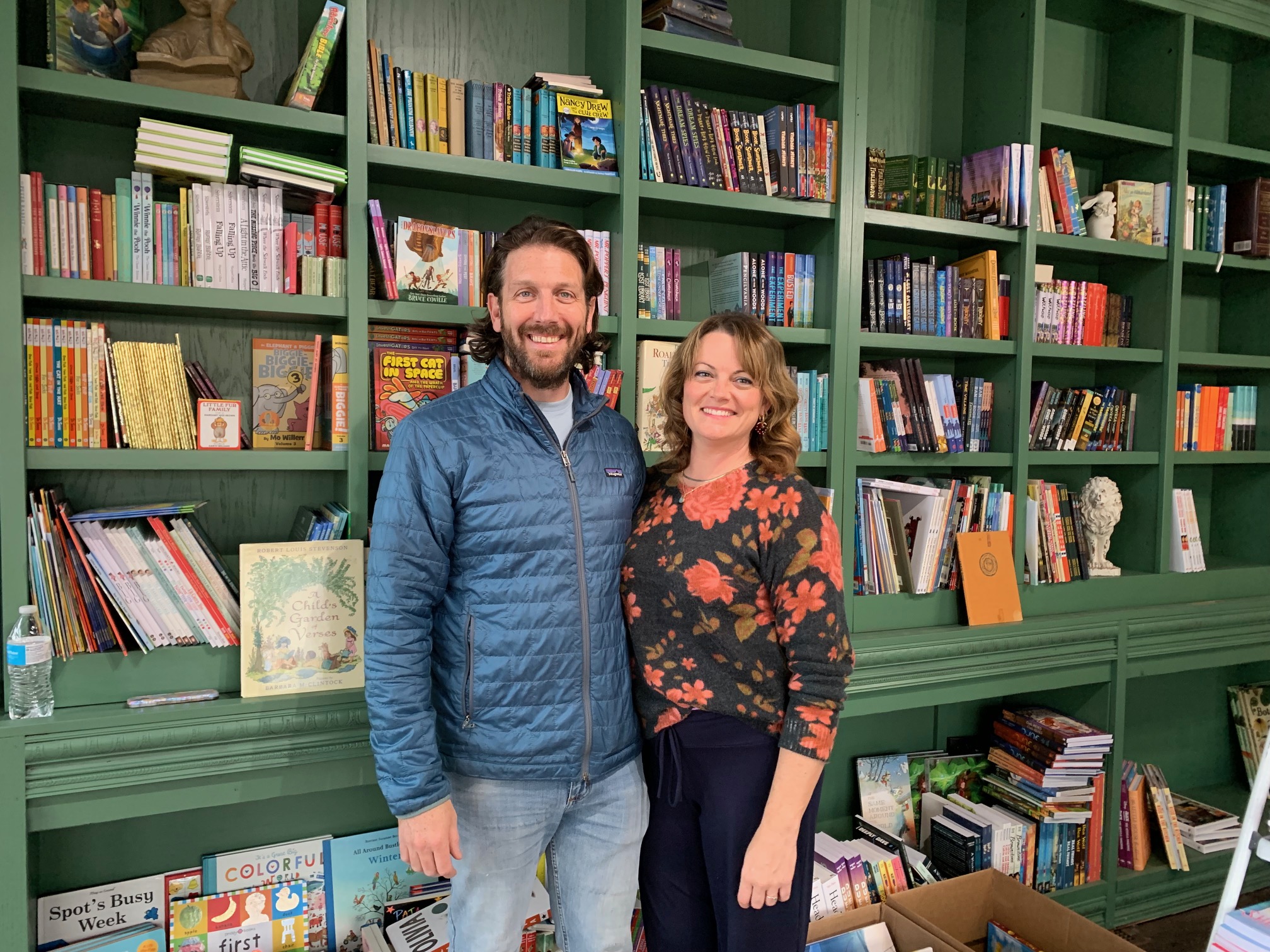
New children’s bookstore in Lakewood aims to inspire, delight kids, families
The Wandering Lantern aims to be a cozy, welcoming kid’s bookstore, with space for families to explore reading.


