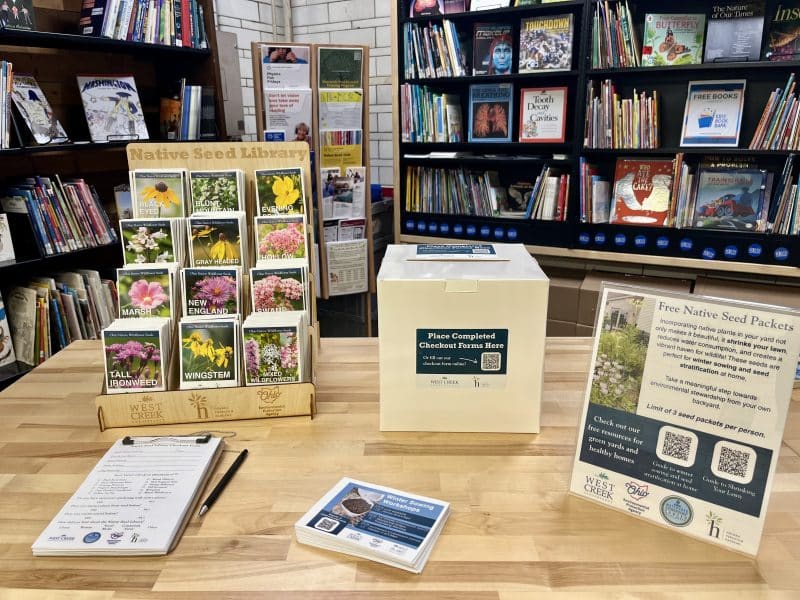

Asters, goldenrods, lilies, purple coneflowers, black-eyed Susans and wild columbine are plants all native to Ohio. In the coming months, some of these beauties will be cultivated on a plot of City of Cleveland land in Collinwood, creating small habitats where their seeds can be collected.
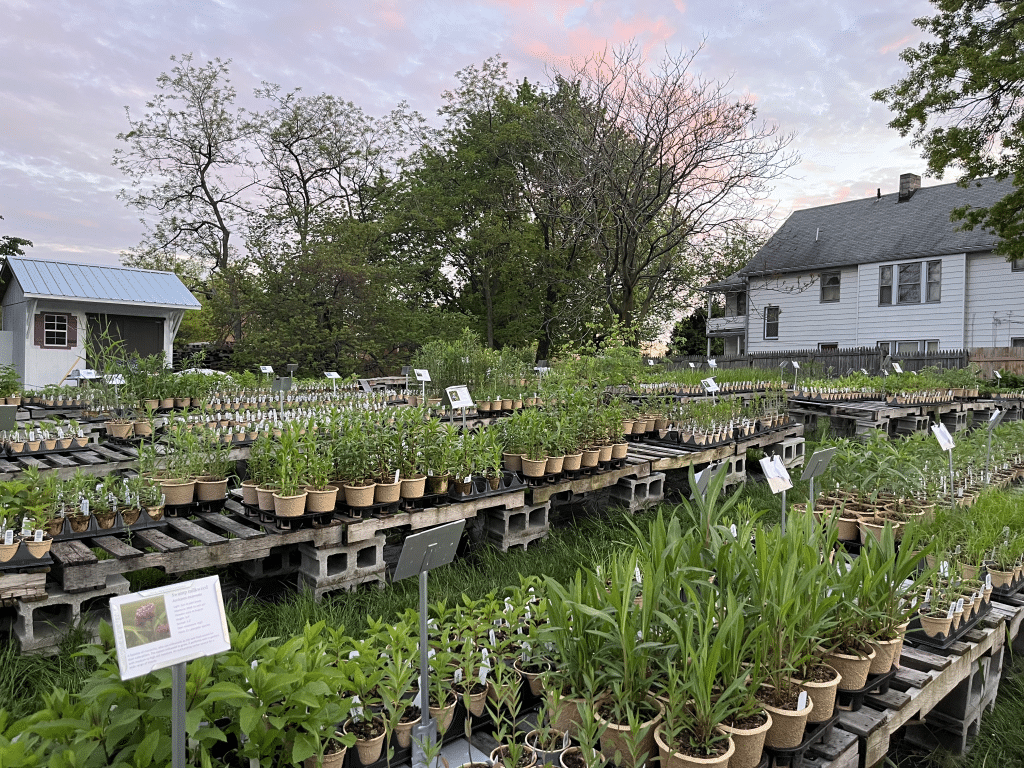
Leading the project is Meadow City Native Plant Nursery, a plant seller in North Collinwood. Meadow City is leasing three parcels of vacant acreage along Interstate 90, with the grassy lots acting as incubators for a host of indigenous vegetation.
“These plants have a long evolutionary history here,” says Meadow City co-owner Julie Slater. “They’ve been in the region for thousands of years, and formed a specialized relationship with wildlife.”

The City of Cleveland is leasing the lots – located south of Hale Avenue and north of Waterloo Road – to Meadow City for $900 annually for three years. City Council approved the lease on Jan. 27, setting the price at one-tenth of the estimated valuation of neighboring properties, says Slater.
Now that the lease is secured, Slater and her team will begin collecting seeds to sow in the new plot as spring wildflowers bloom. Wild-collected seeds offer several advantages over store-bought, including better adaptation to the local ecosystem and preservation of genetic diversity within plant populations. In 2019, Ohio Gov. Mike DeWine designated April as Ohio Native Plant Month to promote the sharing and planting of native plants, which have developed specialized relationships with area flora and fauna over thousands of years.
Meadow City will seek permission from private landowners to collect seeds, with local conservation organizations acting as another source. Slater plans to establish a small plot this spring on her newly acquired lots, though cultivating the entire area will take years, she says.
While taking seeds directly from wild plants ensures Meadow City’s seeds possess strong genes, over-harvesting can harm native plant populations. The solution is to build a large garden from which the nursery can collect its own, genetically diverse seeds, says Slater.
“We don’t collect more than 20% of seed on a given day, which becomes limiting,” she says. “Having these plots will give us more seed. In the short-term, we’ll grow seeds for ourselves. If we can grow out these local seeds, we would like to find large-scale growers willing to maintain their genetics and offer them as local seeds for restoration.”
Meadow City has a precedent for the new project, in the form of its small nursery on Westropp Avenue. All plants on this lot derive from native seeds that Meadow City has collected in the wild.
Meadow City does not sell seeds, only plants, a trend that will continue with the new plots along I-90. In addition to serving local residents, the nursery sells plants to the Cleveland Metroparks, the Northeast Ohio Regional Sewer District and the Native Wildlife Federation.
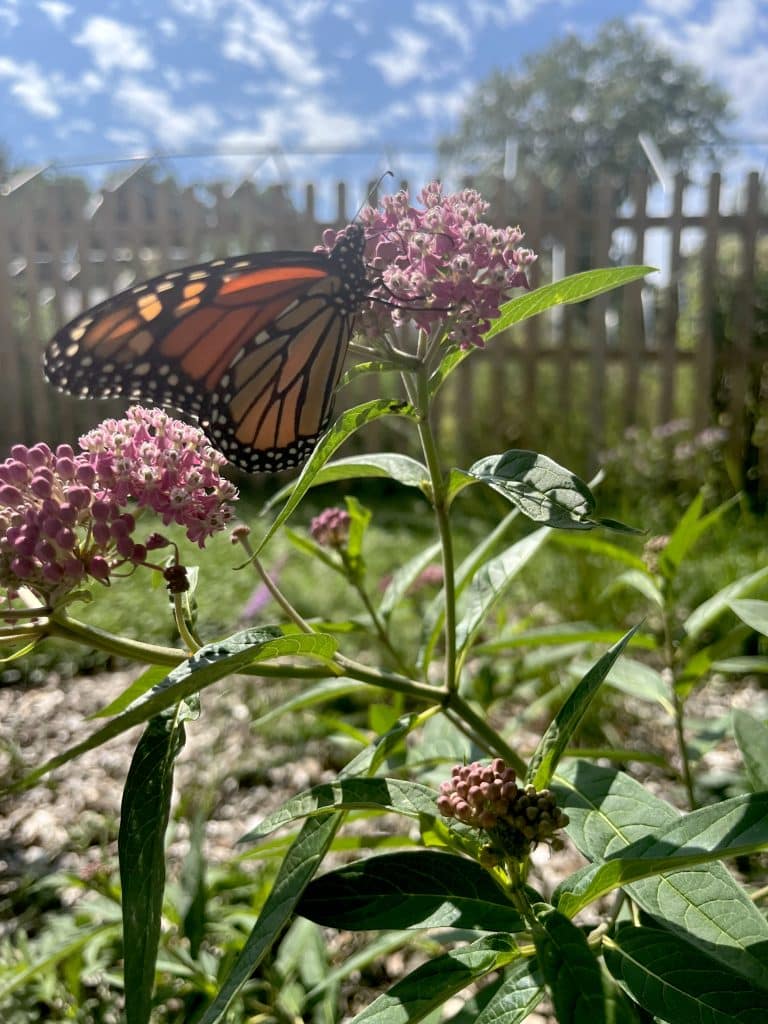
Considering native plants have evolved alongside local wildlife, they are an ideal food source for insects, birds and other creatures that have adapted to their unique characteristics. For example, monarch butterfly caterpillars in Northeast Ohio feed solely on milkweed leaves, part of a life cycle honed over countless generations, Slater says.
Adaptability also makes native plants more drought-tolerant, meaning they require less water. What’s more, cultivating a native plant garden minimizes the risk of invasive species disrupting the local environment.
Ultimately, Slater envisions the burgeoning plot in North Collinwood as an educational “beauty spot” for visitors.
“It’s an exciting thing to be part of this movement,” says Slater. “We want people to learn about the importance of native plants, and to see some examples of how beautiful they can be in a garden. If you like a wilder garden, or a more manicured look, there’s different plants for different aesthetics.”
Keep our local journalism accessible to all
Reader support is crucial as we continue to shed light on underreported neighborhoods in Cleveland. Will you become a monthly member to help us continue to produce news by, for, and with the community?
P.S. Did you like this story? Take our reader survey!