The City of Cleveland is looking at relocating a “lonely” clinic to a shared location and turning the former site at 4242 Lorain into affordable housing.
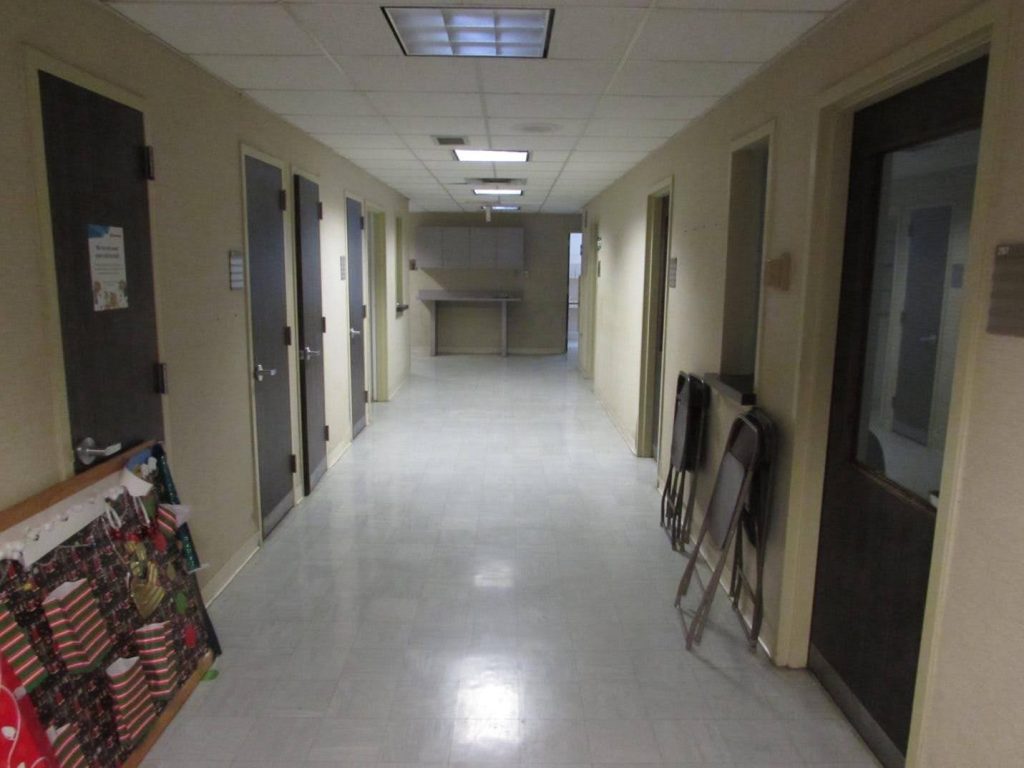
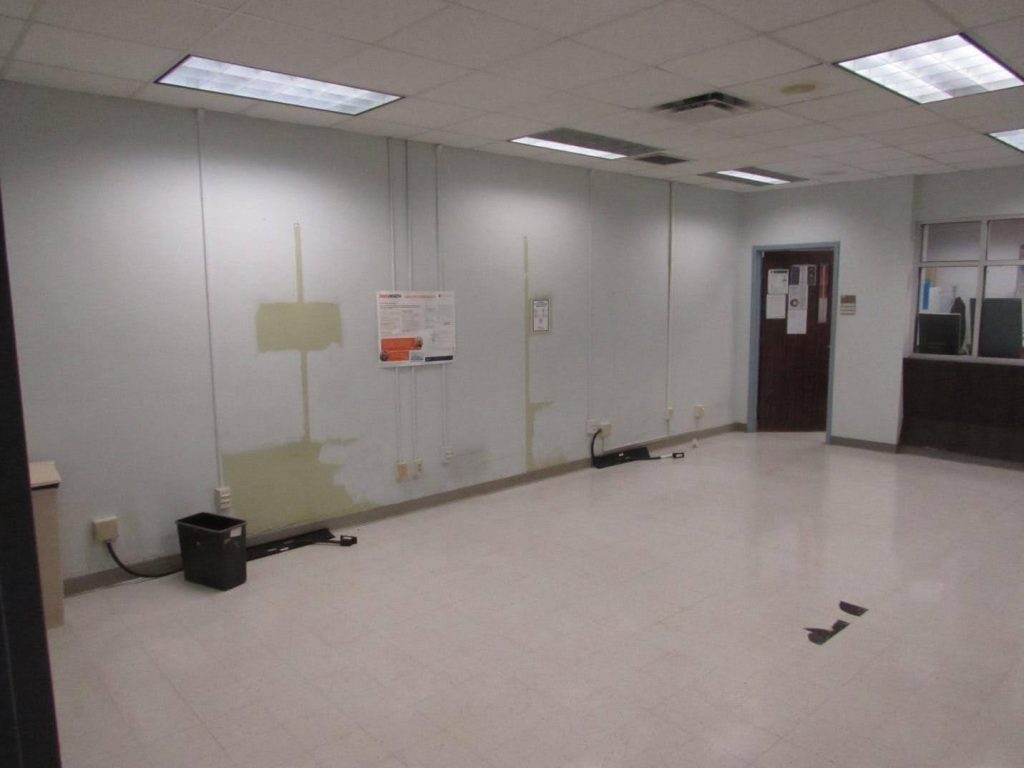
Built in 1971, the 19,000 square-foot Thomas McCafferty building sits on 1.5 acres. Turning the largely unused clinic into affordable housing – housing is a key root cause for health outcomes – and moving Cleveland Public Health (CDPH) direct services in testing and prevention could benefit more communities, officials said.
“The building is a lonely place,” according to Director of CDPH Dr. David Margolius. “We’re looking to partner up with another agency, either a clinic or a social services agency, so that we can offer our services to more people.”

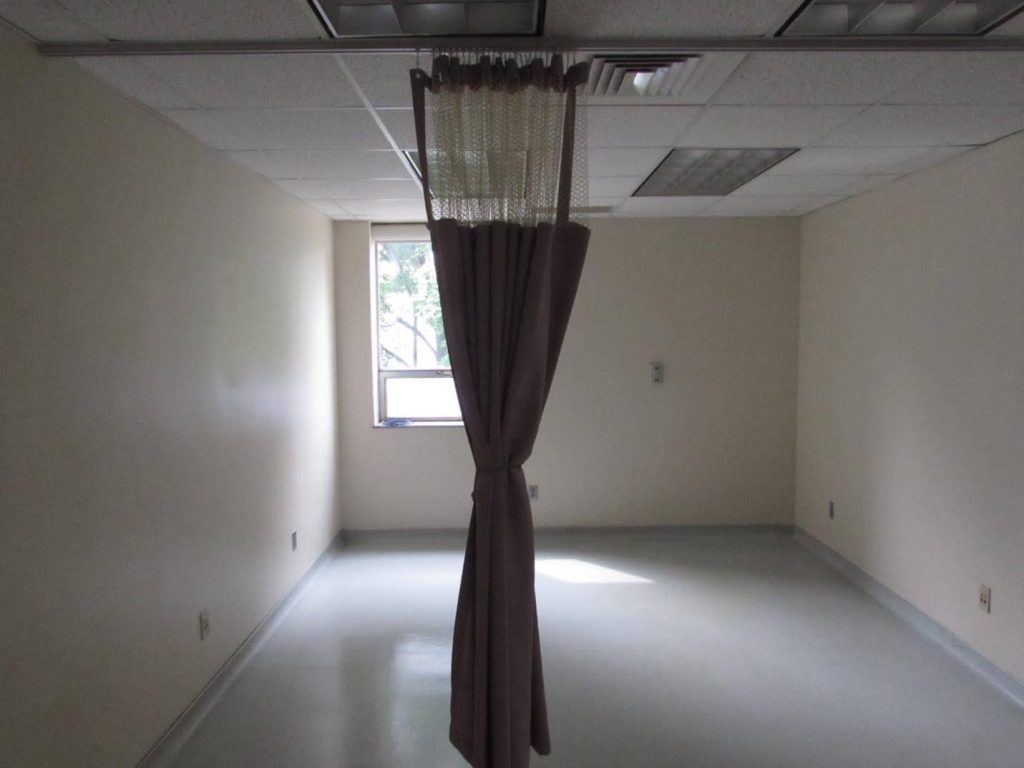
About 75% of the Thomas McCafferty Health Clinic currently stands unused. This is a major reason why the City of Cleveland is looking for proposals to redevelop the site as affordable housing.

CDPH is “looking for a location on the West Side where we can make a bigger impact,” officials said.
The redevelopment itself can be understood in public health terms. Although Cleveland is known for world-class medical facilities, it is not just medicine, but circumstances that shape health. Framing the issue of health beyond the biomedical approach, Dr. Margolius said, “We recognize that housing has a tremendous impact on health.” Margolius is not alone in recognizing that housing stability is a root cause of health, according to a study by MetroHealth and Case Western Reserve University.
“The impact on health for the families that move into this future building will be tremendous,” Dr. Margolius said.
However, some Cleveland health advocates are concerned that the upcoming change will cause disruptions to the people for whom it provides care. After all, McCafferty has a long track-record of offering direct services for low-income people and people who do not have insurance. Yvonka Hall, executive director of Northeast Ohio Black Health Coalition, expressed concern that there will be a gap in services and encourages community accountability. “As the city prepares to sunset services at McCafferty we must make sure that testing, education and prevention services remain uninterrupted. While we are waiting for new housing and a new site to be secured and built our children can’t wait,” she said.
Dr. Margolius said that reproductive health care and vaccination services will continue at the site. “We do not anticipate a gap in services,” he said. Although the city is seeking recommendations for redeveloping McCafferty as affordable housing, Dr. Margolius said the clinic will stay open for quite some time. Services at McCafferty will continue until a proposal for redeveloping the site is accepted and a team raises funds for the project. “We expect to have at least a couple of years to keep working on finding a new home with the right conditions,” he said.
While there is a possibility that more services will be offered and more people will have housing in the future, closing McCafferty will be a loss for some in the Ohio City community. One former patient told The Land that community residents feel nostalgic about McCafferty and “would hate to see the place go.” She explained the personal significance the clinic had for her two decades prior. It was a service-provider in the community where she could speak Spanish. “It felt familiar. It felt more like family. They got to know you on a personal level. It wasn’t a huge hospital where you could get lost,” she said.
Health workers at McCafferty brought significant contributions to the community for decades. In a press release, Councilman Kerry McCormack thanked “all of the public health professionals who have served the Cleveland community… Their work has touched the lives of many people in need of medical services in our neighborhoods.”
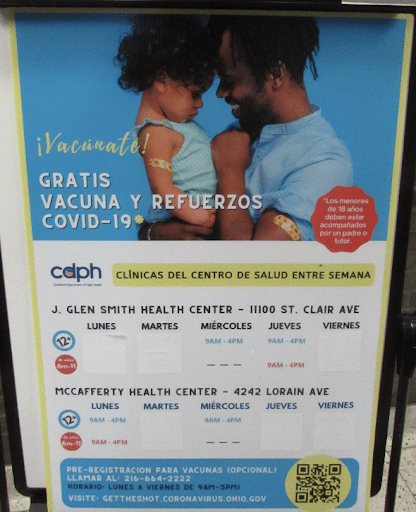
Most of the remaining McCafferty Health Clinic, roughly 1/4th of the building, is being used for the Childhood Immunizations Clinic, TB Testing, and Pregnancy Testing – all run by Cleveland Public Health.
For Dr. Margolius, these services thrived when the building was full. Before the COVID-19 pandemic, the building housed the VA, MetroHealth, as well as the Cleveland Public Health team.
“One by one, the VA and MetroHealth moved and so we saw fewer and fewer referrals from other clinics. Back then clients might walk in to see the VA or MetroHealth, and they would get directed to our team,” he said. He added that although a major change occurred in the building when MetroHealth left McCafferty in early 2020 (it is now located nearby, at 4757 Lorain Avenue), very little has changed at CDPH. “I think a lot of people feel more services have been stopped by CDPH at McCafferty because they might be mixing up what was MetroHealth and what was us,” he said.
The changes that have occurred at the McCafferty clinic can be understood within a larger timeline. Prior to Medicaid expansion in 2014, the Cleveland Public Health Department “had a larger role in direct services delivery,” according to Margolius. “But thanks to more folks having insurance, and places like MetroHealth and Neighborhood Family Practice growing, our focus has been same-day reproductive health care services and vaccinations.”
MetroHealth was a major force in the building before it left in 2020. “They ran a busy clinic with pediatrics, family medicine, behavioral health, and geriatrics. I think they had nearly 10 providers working at a time. We have, on average, one provider seeing clients at a time (which is unchanged for many years),” Margolius said.
Additionally, public health workers “gave thousands of COVID vaccines in 2021 when everybody needed the vaccine at once.” No CDPH services have stopped at McCafferty since the pandemic.

Toward Housing
The City of Cleveland, Councilman Kerry McCormack and Ohio City Inc. are working together to investigate affordable housing possibilities for the site. Alongside housing, they are also focused on bringing social services or nonprofits designed to support community residents. A community survey is available for residents and stakeholders to contribute ideas for the future of the site. In order to find real estate development teams for the McCafferty site, a Request for Qualifications (RFQ) will be released this summer.
The project can be understood within larger affordable housing goals for the city of Cleveland. Marie Zickefoose, press secretary for City of Cleveland, sent the following statement to The Land: “In order to sustain a vibrant and equitable city, we believe that it’s critical to maintain and create housing opportunities where individuals do not have to pay more than 30% of their income on housing, be it a mortgage or rent.” In the next six years, city officials want to create 13,000 affordable rental units, with attention to adding this housing in “strong-rental” neighborhoods, such as Ohio City.
Currently, numerous sources of data suggest that affordable housing is a key need in Ohio City. American Community Survey data indicates that 40% of renter households in the survey used 30%, or more of their income to pay for rent. According to a 2021 neighborhood fact sheet from the Center for Community Solutions, one third of households in Ohio City said that neighborhood housing was not affordable to them.
Ohio City resident Paula Miller, however, voices skepticism about the city’s approach.
“If the city really wants to meet a need in this neighborhood it should build a space for their unsheltered residents that live in the shadows of McCafferty Clinic,” she said. “A short term shelter is desperately needed in this neighborhood.”
Miller also questions how affordable housing is defined by officials. “Unfortunately the term affordable housing does not have much meaning anymore especially in this neighborhood,” she added. “Developing housing for people with lower or fixed incomes is extremely expensive and usually not profitable for developers so there is little incentive to put the work and time into proposals. Usually what happens is that a portion of the development is dedicated to ‘affordable’ which is nowhere enough for what is needed.
“Many neighbors around McCafferty will fight against any proposal for housing for the poor. As long as a right to shelter is not recognized as a human right … not all boats are going to rise in this Ohio City tide,” she said.
We're celebrating four years of amplifying resident voices from Cleveland's neighborhoods. Will you make a donation to keep our local journalism going?