Antarctica could be the most important continent on the planet, even lacking permanent human habitation or an established government. The cold, remote region is a critical climate regulator, as well as the “canary in the coalmine” for signs of global warming.
It’s also a land of stark beauty, which Northeast Ohio native Connor McFadden Marrie discovered during a recent study trip. McFadden Marrie travelled to Antarctica in December, a two-week excursion to the so-called “coldest, windiest, driest, highest, quietest, and least understood continent on Earth.”
Technically, McFadden Marrie visited the Antarctic Peninsula, the northernmost and most accessible part of mainland Antarctica. Extending like a finger toward South America, the peninsula is a biologically diverse region known for its wildlife and stunning ice formations.

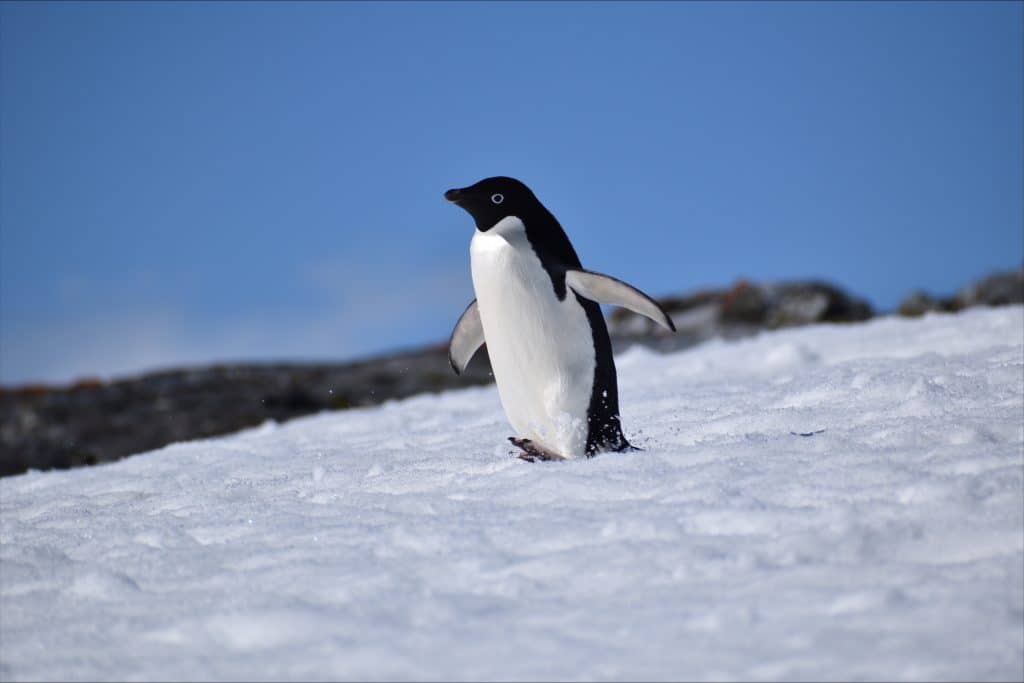
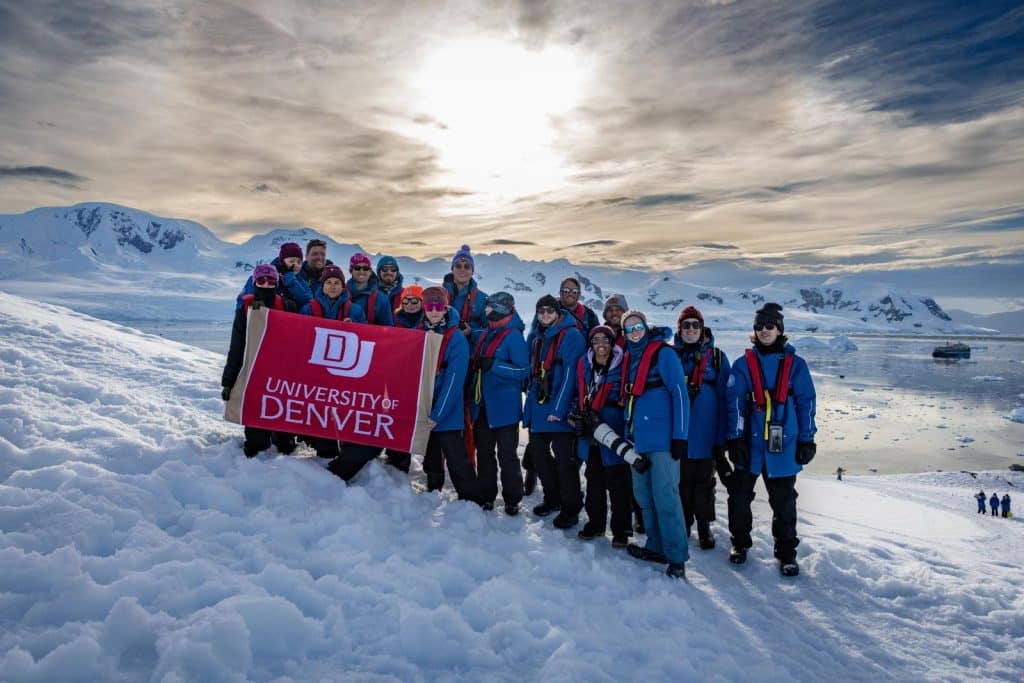
The continent’s importance to the global climate made it ideal for McFadden Marrie, a sophomore environmental science major at the University of Denver. Upon landfall at the Aitcho Islands – a group of minor islands northwest of the main continent – McFadden Marrie and his classmates beheld towering ice cliffs and colonies of penguins. You won’t spot polar bears here – those are strictly residents of the Arctic, he notes.
Daily expeditions found McFadden Marrie immersed in photography and observation. He also learned about ice cores, frozen time capsules that reveal Earth’s climate history over millennia. Rather than staying tethered to his notebook, McFadden Marrie was encouraged to hone his senses to the raw Antarctic landscape.
“I would walk around and take photos for the first 30 minutes, then just be there and be present,” says McFadden Marrie. “We’d be on land for an hour at a time, and I wanted enough pictures where I could do journal entries. But I also wanted to be present and just understand what I’m seeing.”
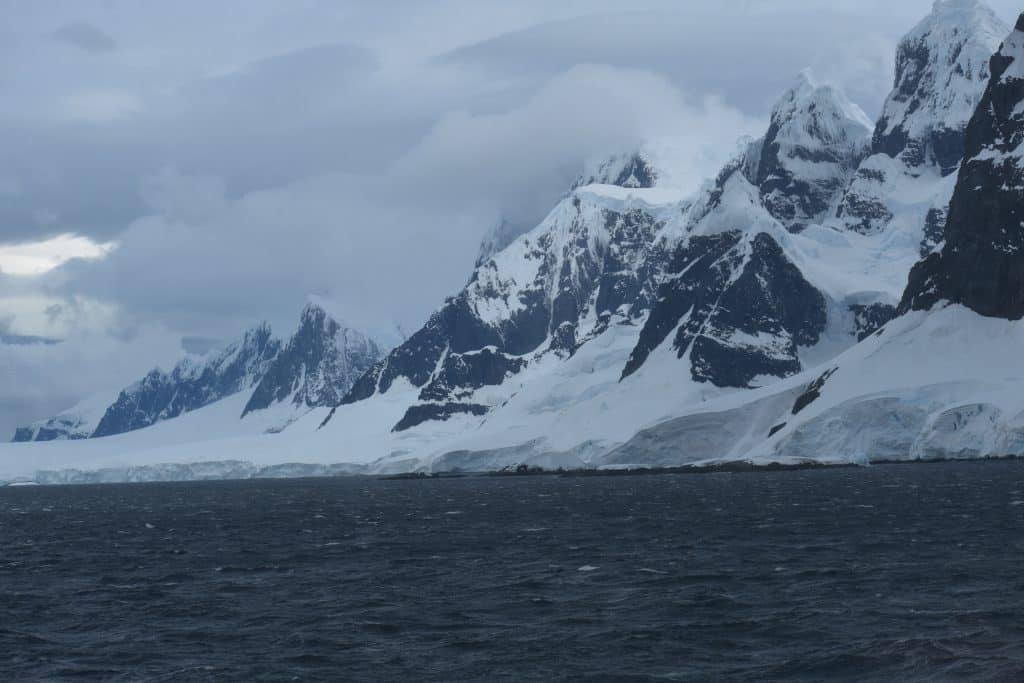
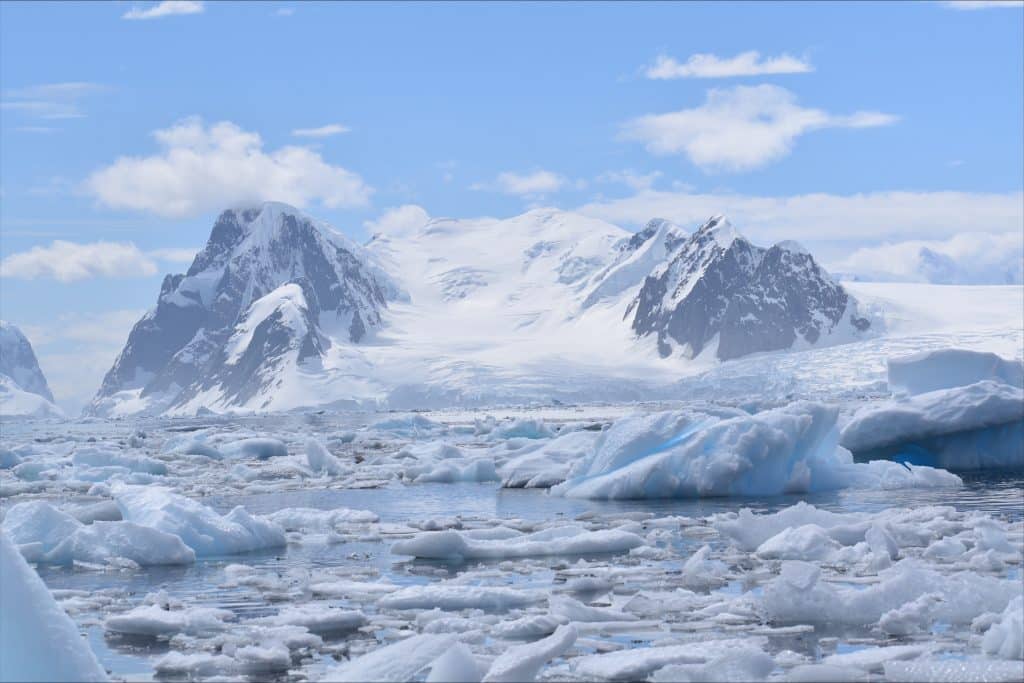
A land of icy beauty
Compared to the brutal conditions found inland, summer on the Antarctic Peninsula is surprisingly manageable, with temperatures hovering around freezing. Located in the Southern Hemisphere, where summer takes place from December through February, the region features near 24-hour daylight. McFadden Marrie tackled this potential circadian rhythm killer with blackout curtains and a sleeping mask.
McFadden Marrie spent his downtime on Ocean Victory, an expedition vessel that shuttled him across the famously volatile waters of the Drake Passage. Any lingering travel nerves vanished on shore, where profound silence was broken by the creak of shifting ice sheets. Although the aroma of penguin droppings is pervasive on land, the view made up for any unpleasantness, McFadden Marrie says.
“It looked like a scene from National Geographic,” he says. “Or you’d be up on a hill and hear the rustling of penguins, and they would call to each other.”
While McFadden Marrie had studied photos of Antarctic glaciers, nothing could prepare him for the size of these icy behemoths.
“They’re so majestic that pictures could never really do them justice,” says McFadden Marrie. “I am so thankful to have the experience to see them, because I don’t think I will ever get another chance. I was completely starstruck and at a loss for words.”
The stakes of climate research in Antarctica are high – the continent’s ice sheets act as a frozen reservoir that, if released, could result in massive global flooding. An avid backpacker and animal lover, McFadden Marrie notes that alarm bells for global warming were ringing as early as the 1950s. Among these voices was Canadian physicist Gilbert Plass, who warned about the impact of carbon dioxide on our atmosphere.
McFadden Marrie recognizes that climate change is the defining conversation of our era – one he hopes to lead one day as a professional guide on the “White Continent.” In the meantime, he’s dedicated to sharing the insights gained from a life-changing journey.
“Growing up, my generation received the message that we’d be the ones to solve (the world’s) problems,” McFadden Marrie said. “It can be depressing, but me and my friends are trying to make some good in this chaos.”
Keep our local journalism accessible to all
Reader support is crucial as we continue to shed light on underreported neighborhoods in Cleveland. Will you become a monthly member to help us continue to produce news by, for, and with the community?
P.S. Did you like this story? Take our reader survey!