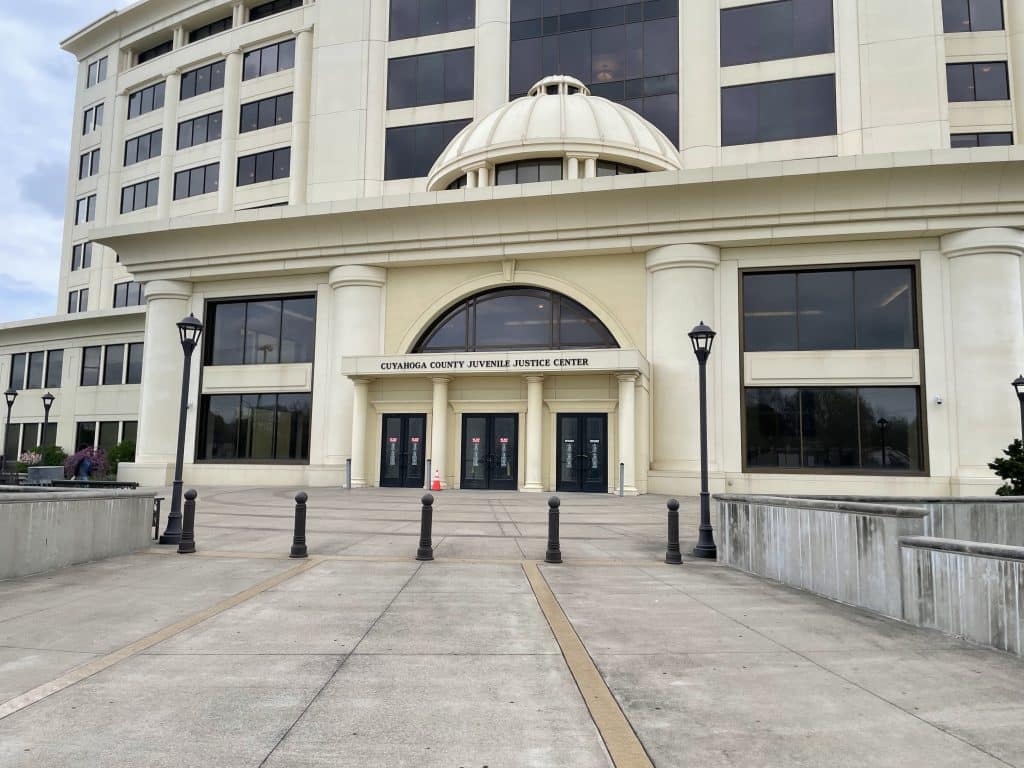
As part of a recently announced effort to aid youth in the Cuyahoga County Justice System, the Cuyahoga County Juvenile Court and the County’s Board of Developmental Disabilities (Cuyahoga DD) jointly established a new position, forensic liaison.
The position will work to identify youth involved with the juvenile court who meet the definition of having a developmental disability. The role was filled and began work this February.
A developmental disability is a chronic condition that can impact the development of certain physical or cognitive abilities, including language, learning, mobility, and more.
“The forensic liaison is employed by the Board of Developmental Disabilities and operates under its supervision, while being stationed full-time at the Juvenile Court building” says Van Ward, deputy county administrator at the Juvenile Justice Facility. “This onsite presence facilitates seamless collaboration with interdisciplinary teams, including jurists, attorneys, clinicians, and probation officers.”
Ward goes on to say that research shows that 65-70% of youth who become subjects of the juvenile court also have a disability. Missy Kuhn, behavioral health supervisor for the Cuyahoga DD, adds that when the forensic liaison started , they found that out of more than 100 youth then in juvenile detention, only 5 were eligible for the Board’s services. Based on this difference between the 65% prevalence shown in research and the <5% local observation, says Kuhn, “We recognize the gap in identifying these youth early who may be eligible for Cuyahoga DD services and hope to mitigate these barriers and bridge this gap.”
That’s where the new liaison comes in, backed up by the institutional experience and expertise of Cuyahoga DD. It seems likely that the 5% ascertainment rate that was discovered when the liaison started will increase.
In addition to the crucial determination of whether a defendant is competent to stand trial at all, accommodations for developmental disabilities may include helping a person better understand the rights being read to them – which will mean being able to repeat back what has been said.
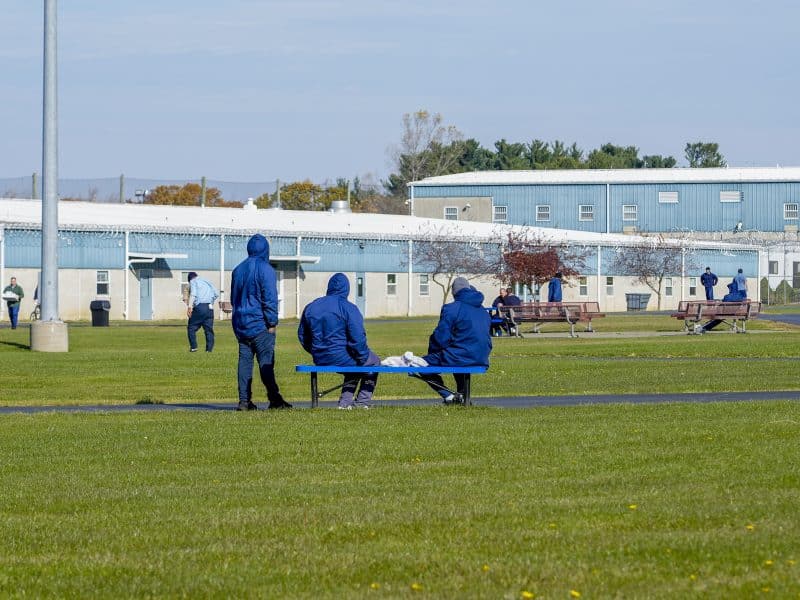
The county’s press release also cites several other ways the liaison will be involved in the process, including consulting with attorneys and coordinating contact with family members. The role will make an impact both inside the courtroom itself, where training will be provided to court staff on how to best support the youth with a disability; and during the time defendants spend in the center’s detention facilities. The liaison will ensure that, while detained, children get the medical, physical and behavioral accommodations they need. The hope is this might reduce the risk for the kind of in-custody deaths that have drawn attention to local jails for adults.
A relevant question based on all this is, could this Cuyahoga County partnership provide a beacon of leadership to other courts?
“To my knowledge,” says Ward”, “no other juvenile court in the country currently has a dedicated forensic liaison position. However, nearly every county in Ohio has a Board of Developmental Disabilities … I believe all juvenile courts should consider partnering with their local Board of Developmental Disabilities to establish a forensic liaison role.”
The mission statement of the Juvenile County Court refers to the rehabilitation and strengthening of families, alongside the aim of promoting public safety. The Cuyahoga County Juvenile Court is the second oldest such facility in the country, bringing more than a century of experience to the understanding of youth behavior.
Both Ward and Kuhn report that this new effort with the juvenile population mirrors work that is happening with Cuyahoga County’s adult justice system. Whether this screening is being done with those under the age of 18, or with defendants old enough to be charged with adult responsibility, the intention is for it to have important benefits concerning the fair administration of justice for any individual.
Ward, when asked what originally prompted the decision to create the forensic Liaison position, cites “The need to provide accommodations for youth in our competency remediation program” based on recent data that “nearly half of the youth referred for a competency evaluation had a clinical history consistent with developmental disabilities.” The liaison will help in these events and monitor youth while they are going through the competency remediation process.
The overall goal for both agencies is to “reduce the rate of recidivism” — the likelihood of someone committing another crime after being released from the justice system — “among young people with disabilities.”
Keep our local journalism accessible to all
Reader support is crucial as we continue to shed light on underreported neighborhoods in Cleveland. Will you become a monthly member to help us continue to produce news by, for, and with the community?
P.S. Did you like this story? Take our reader survey!