This week is Black Maternal Health week and one Cleveland organization is trying to improve health outcomes for Black women and their children.
“All Our Babies: Birthing in the Afrofuture,” led by multidisciplinary artist Jameelah Rahman and strategic visioning partner Errin Weaver, is a recipient of the Transformative Arts Fund — an initiative supported by the City of Cleveland and The Assembly for the Arts.
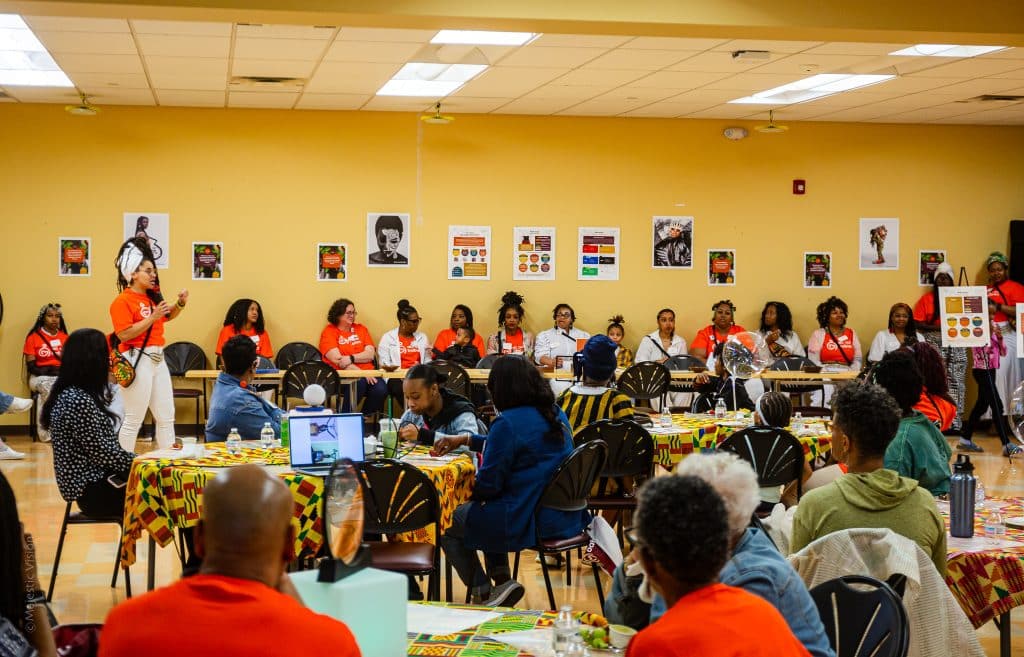
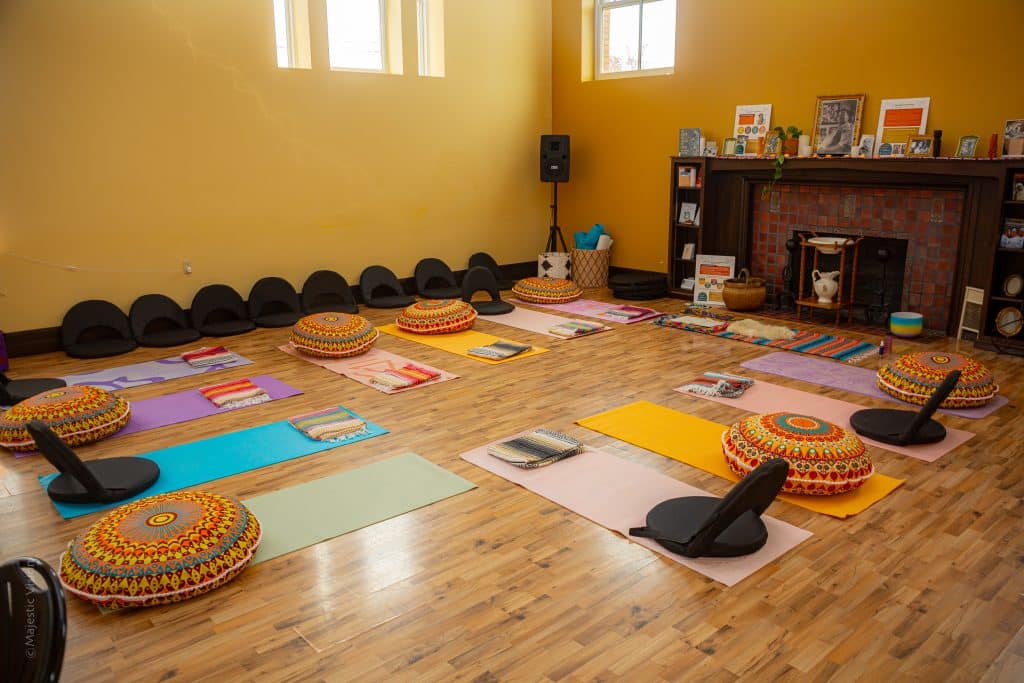
The project combines art, healing, ancestral traditions, and community action to address Black maternal health disparities and reimagine what Black birth can look like using the cultural power of Afrofuturism. It’s more than an exhibit — it’s a space of love, tools, story-sharing and hope.
“This is a space of healing,” says Weaver. “You don’t have to be pregnant. You don’t have to be Black. We just want people to come, reflect, and learn how to better care for themselves and each other—because a thriving future for our communities begins with birth.”
“This is for moms. And I actually got to participate because they provided childcare,” said Vanessa Jones. “Even when events are family-friendly, it’s hard navigating bathroom situations in public with a bunch of kids. It made it feel like even more of a celebration of moms because they recognized what we need.”
A Cultural Response to a Medical Crisis
Black mothers and birthing people in Cleveland face some of the highest maternal mortality and infant mortality rates in the country. The systemic neglect, racism, and lack of culturally competent care they experience are part of a national crisis — and “All Our Babies” responds with a creative, community-rooted alternative.
The project reframes Black maternal health not only as a medical issue but also as a cultural, spiritual and communal one. Through installations and interactive spaces, it affirms that birth is sacred not just medical, and the practices surrounding it, whether new or ancestral, deserve protection and visibility.


Doula Support and Culturally Competent Care
The “All Our Babies: Birthing in the Afrofuture” project promotes community-based doulas as a vital tool in improving Black maternal health outcomes. Through its events and partnerships, the initiative helps raise awareness about what doulas do, how to access them, and why their presence matters, especially in Black communities disproportionately impacted by medical racism and neglect.
“Many people don’t even know they have options,” says Weaver. “Part of what we’re doing is showing that doulas exist, that community care exists — and that healing is possible when people feel seen, respected, and supported.”
Doulas are trained, non-medical professionals who offer emotional, physical, and informational support before, during, and after childbirth. Their presence helps:
– Advocate for patients’ wishes in medical settings
– Decrease unnecessary interventions
– Promote informed decision-making
– Improve mental health and satisfaction with the birth experience
Doulas Improve Black Maternal Health Outcomes
Black women are three to four times more likely to die from pregnancy-related causes than white counterparts in the U.S. Doulas offer a powerful intervention in closing this gap:
– 28% lower chance of cesarean birth for those with doula support
– 40% lower risk of low birthweight and 39% reduction in postpartum depression for Black birthing people in community-based doula programs
– Improved trust, communication, and outcomes when doulas share cultural background or lived experience with clients

Building Community Through Care
“I’m a performing artist and certified doula trained through DONA and the Ohio Board of Nursing,” says Cassandra Miller. “I bring breathwork, movement, and cultural care into my prenatal visits. It’s about connecting the mind, body, and community.”
This care model reflects what many Black birth workers and public health experts have long argued: culturally competent, community-driven care saves lives.
Art as Medicine: Community-Driven Installations
The launch event, “All Our Babies: Yesterday We Dreamed of Tomorrow,” includes several immersive art experiences designed to honor both personal and collective stories:
– A community quilt, built from squares made by residents, symbolizes care, memory, and resilience.
– A live mural, painted by local artist Jerome White, evolves in real-time, reflecting the emotions and themes unfolding in the space.
– Cultural body painting, inspired by the work of Nigerian Afrofuturist artist Laolu Senbanjo, transforms participants into living installations of pride and heritage.
– The Tree of Affirmation, invites visitors to plant their fears and harvest affirming messages, connecting spiritual grounding to communal support.
– Redesigned rocking chairs, infused with Afrocentric and futuristic aesthetics, bring new life to old symbols of care and comfort.
These events are held monthly and the schedule is as follows:
- April 26th
- May 24th
- June 28th
- July 25th
Community members are invited to share their own stories, whether they’ve given birth, supported someone else through it, or carry fears or hopes about it. Stories collected during the event may be featured in the upcoming “Mama Look Book,” a creative and cultural archive celebrating Black birth, transformation, and healing.
Honoring the Ancestors: The Legacy of Black Midwifery
At the heart of this initiative is a deep reverence for granny midwives, Black women who were the primary caretakers of childbirth in the South for centuries. These midwives embodied knowledge passed down through generations, rooted in African traditions and spiritual care.
The project uplifts the names of pioneering Black granny midwives like:
- Mary Francis Hill Coley, who starred in the groundbreaking 1950s film “All My Babies” and trained countless midwives in Georgia.
- Margaret Charles Smith, who delivered over 3,000 babies in Alabama, often in poor or rural communities, and remained a fierce advocate for midwifery rights until her death.
- Onnie Lee Logan, whose memoir, “Motherwit,” details her life as a midwife and the emotional, physical, and spiritual labor of caring for Black families.
The project also honors Anarcha, Lucy, and Betsey, the enslaved women whose bodies were brutally exploited in the development of gynecology. Their names are etched into the space as part of the effort to “restore the sacredness of birth” and confront the legacy of medical violence.
Visioning a Thriving Future for Black Birth
This project isn’t just reflective, it’s visionary. “We are restoring tradition, reclaiming practice, and inspiring hope,” says Weaver. “The world we want for our babies doesn’t exist yet, but we’re building it — brick by brick, story by story, quilt by quilt.”
“All Our Babies” isn’t just for those giving birth. It’s for the whole community — for those who care about justice, healing, and futures rooted in love. Whether you come to share your story, create art, or simply sit in the presence of collective memory, you’re invited into the vision.
Upcoming monthly events and installations will continue to explore themes such as:
- Reclaiming ancestral birthing traditions,
- Art as a healing tool,
- Storytelling as intergenerational resistance, and
- Afrofuturism as a model for Black reproductive liberation
For more information on the All Our Babies project or to get involved in future community events, visit its website.
We're celebrating four years of amplifying resident voices from Cleveland's neighborhoods. Will you make a donation to keep our local journalism going?