Two mayors and hundreds of residents are trying to save the Shaker Lakes.
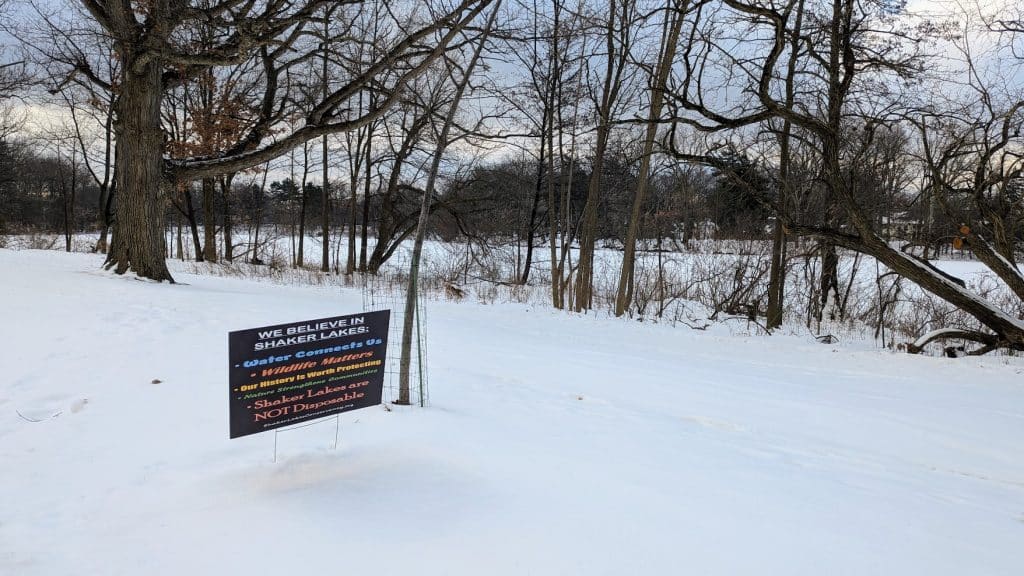
Shaker Heights and Cleveland Heights have jointly hired a lawyer to consider options and responsibilities for Lower Lake’s dam. Meanwhile, the new Shaker Lakes Conservancy is posting signs and circulating petitions to preserve Lower Lake and bring back the former Horseshoe (also called Upper) Lake.
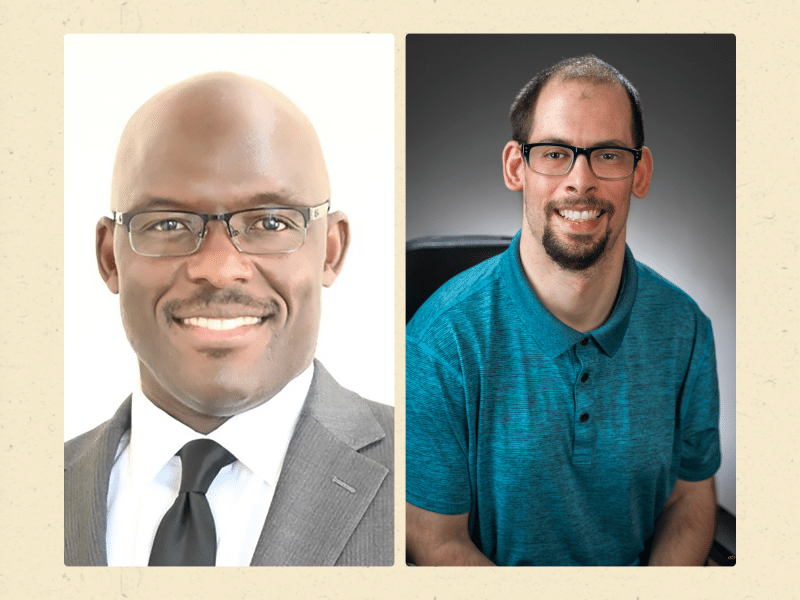
In January, Shaker Mayor David Weiss and Cleveland Heights Mayor Jim Petras hired Mark Wallach from McCarthy, Lebit, Crystal & Liffman to review Lower Lake. The suburbs will evenly split his fee of $350 per hour.

A joint mayoral statement said, “It is important to have an independent review of the basis and impact of the [Northeast Ohio Regional] Sewer District’s recent determination that the Lower Lake dam does not provide stormwater management or sufficient flood control benefits.” Given that determination, the district says it can’t pay to reinforce or replace the dam, just to raze it.
According to the mayors’ statement, the suburbs might seek engineering analysis later of dam data from NEORSD and the state. Weiss also posted that they’d review the options’ cost, safety, looks, environmental effects and more.
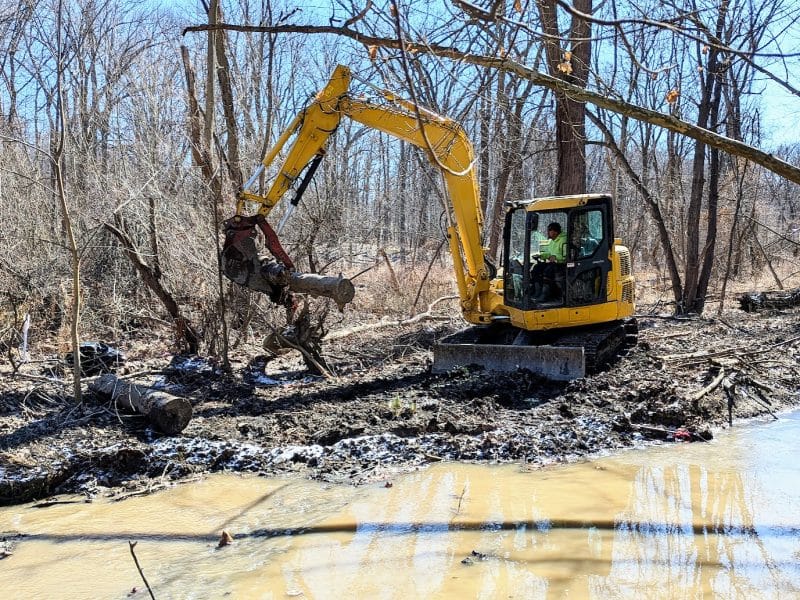
The suburbs aren’t reconsidering Horseshoe. In December, their councils unanimously approved NEORSD’s approximately $32 million plan to raze the breached dam there, treat the marsh, and rework the 60 acres of the expanded Horseshoe Park.
Many people love both landmark lakes, created in the 1800s by the Shaker sect with earthen dams across the Doan Brook. “They’re a defining characteristic of the East Side and the parklands and a wonderful quality of life,” said Amy Weinfurtner, a conservancy organizer. “They’re integral to people from a variety of areas and backgrounds being able to coexist and interact in ways that feel trusting and open.”
Cleveland owns the lakes and surrounding parklands. Shaker Heights governs, leases and maintains more than half of the area and Cleveland Heights the rest.
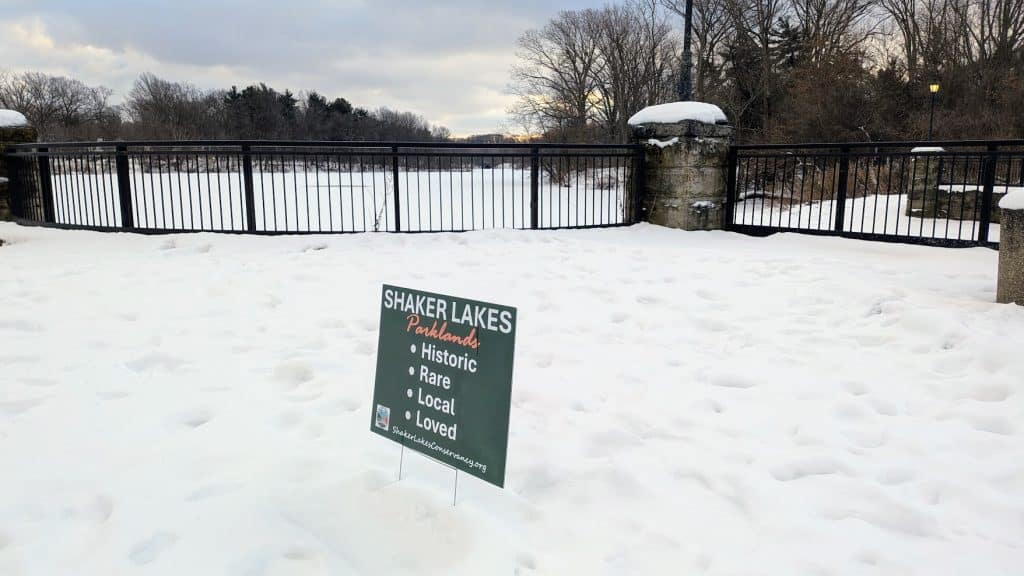
In the late 2010s, the state declared the dams endangered and dangerous, and crews breached Horseshoe’s. The ad hoc Friends of Horseshoe Lake lost a state lawsuit to restore that dam. For the pending project there, NEORSD is seeking an easement from Cleveland and a permit from the federal government, which protects the historic area. The district hopes to finish the work in two years.
Last summer, NEORSD dropped plans to reinforce Lower Lake’s dam. Officials cited new findings about its limited value for flood control, its need for an obtrusive concrete spillway and a new opportunity to add a culvert downstream. Instead, NEORSD is offering to spend $45 million to raze the dam, reconstruct the resulting marsh, do related work and possibly add a small pond. The suburbs could pay for other amenities there.
If the suburbs choose instead to reinforce the dam and dredge the lake, NEORSD estimates that they’d have to spend $55 million.
Sewer district leader Kyle Dreyfuss-Wells said about the suburbs hiring a lawyer, “We’re very encouraged that they are engaging in this effort to assess all options.”
With or without dams, the parklands will never be the same as before the Shakers settled what’s now Shaker Heights. From 1951 to 2020, Cleveland’s precipitation rose by nearly a third, with more intense storms, increasing the park’s polluted runoff from roads and homes.
Many dams elsewhere have been razed in recent years, resulting in marshes that reduce pollution and floods. But lakes, even if man-made, develop their own ecosystems, and the Shaker Lakes have come to host many species, from turtles to eagles. Weinfurtner said, “Clearing mature trees, regrading land, cutting channels and installing engineered controls is not a passive return to nature.”
The conservancy arose because The Friends of Horseshoe Lake would need state and federal approval to broaden their mission, and the eight-year-old Friends of Lower Lake support removing that dam. Weinfurtner says the conservancy has drawn more than 700 participants.
Late last year, conservancy member Erin Flanagan vainly tried in federal court to pause work at the lakes. Now Weinfurtner welcomes Wallach’s appointment but wants a full study of the restoration and stewardship of both lakes as part of a single park, ecosystem and history.
Keep our local journalism accessible to all
Reader support is crucial as we continue to shed light on underreported neighborhoods in Cleveland. Will you become a monthly member to help us continue to produce news by, for, and with the community?
P.S. Did you like this story? Take our reader survey!
![No Kings protest brings thousands to downtown Cleveland [Photos]](https://d41ow8dj78e0j.cloudfront.net/wp-content/uploads/2026/03/28151521/1000004296-800x600.jpg)