Lutheran Metropolitan Ministries could be granted $1 million in funding to pursue development of a functional prototype for homes built with 3D printers
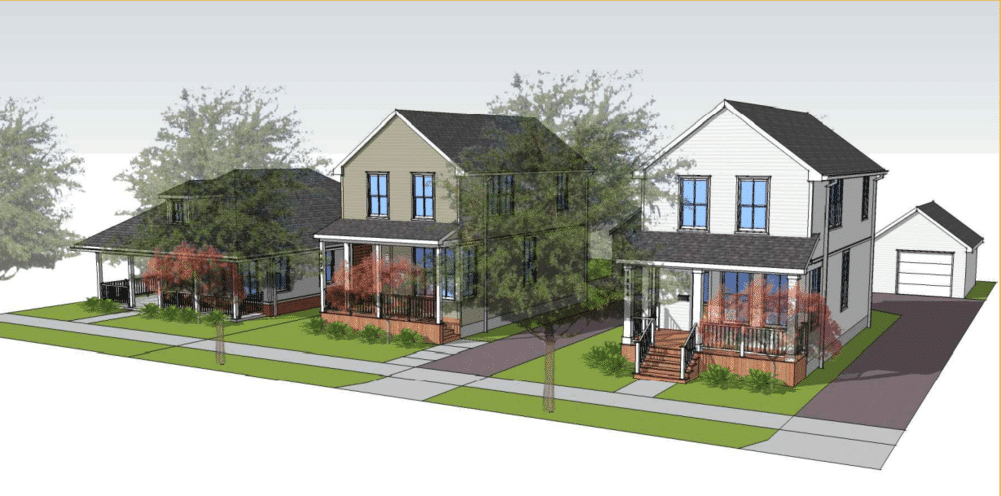
Do you remember when you first heard about a 3D printer? Machines that could manufacture anything, from printing plastic barbie dolls to plumbing components for your home? Well, what about a 3D-printed home?
That’s the goal that Lutheran Metropolitan Ministries hopes to work toward, with the city’s cooperation.
Lutheran Metropolitan Ministires (LMM) was founded in 1969 to help promote peace and justice through Christian ministry, service, and advocacy. Their programs include housing and shelter services, workforce development, and providing health and wellness services.
During a Cleveland City Council meeting in March, LMM leadership introduced Ordinance No. 339, with the sponsorship of Councilwoman Stephanie Howse-Jones of Ward 7. This ordinance would allocate approximately $1 million in funding to LMM for printing 3D homes that could help ease the affordable housing crisis in Cleveland.
“The project is currently in the exploratory phase, with eventual plans to 3D print a model home to test the project,” said Michael Sering, vice president of housing and shelter services for LMM. “3D printing (for housing) has existed in other countries and cities for a while. LMM has been working with our partner Sai Sinbondit, from the non-profit I_You Design Lab on strategies to reduce the cost of quality housing. We have been exploring the potential to build 3D homes for about four years.
“There are a growing number of builders in the state of Ohio who use this technology,” Sering added. “3D printed homes have been built in Europe and Canda, with very similar climates to Cleveland, Ohio. The basic structure can be built within 24 hours, with more time needed for electrical, plumbing and everything else. This cuts down on time and cost versus the time and cost needed to build a traditional house frame.”
According to Sering, the project is currently only focused on making single story homes, with two to three bedrooms. Clients of LMM would be able to qualify if the ordinance is approved, and the pilot home is a success. However, if the project is successful this could be a viable option for Non-Profits in the future to provide affordable housing.
Councilwoman Howse-Jones was unavailable for comment at the time of publication.
We're celebrating four years of amplifying resident voices from Cleveland's neighborhoods. Will you make a donation to keep our local journalism going?