
Op-ed: Cleveland administrators, partners grapple with lead-contaminated soil
Across the city, toxic metal left behind in vacant lots continues to be a health hazard while program alignment and coordination hinder mitigation efforts.
Across the city, toxic metal left behind in vacant lots continues to be a health hazard while program alignment and coordination hinder mitigation efforts.
About a quarter of kindergartners enrolling in Cleveland Metropolitan School District have had elevated levels of lead in their blood at some point before their sixth birthday, according to research by Case Western Reserve University.
Young kids are especially vulnerable to lead poisoning. Playtime in the backyard can turn harmful when a kid plays with toys coated in lead-contaminated soil, or when a curious baby nibbles on peeling paint chips on their front porch. There are dozens of ways a child can come into contact with and ingest lead, and even a small amount of lead can damage a child’s cognitive abilities.

Historically, the City of Cleveland has addressed lead in soil by excavating a property entirely and replacing it with fresh dirt – a costly, destructive, and time-consuming process. Up until recently, there were no other options. New research out of Ohio State University (OSU) explores the effectiveness of a soil mixture that reduces risk of lead exposure. Dr. Nicolas Basta, professor of soil and environmental chemistry at OSU, teamed up with Kurtz Bros and the City of Cleveland to take his lab experiments into the real world.
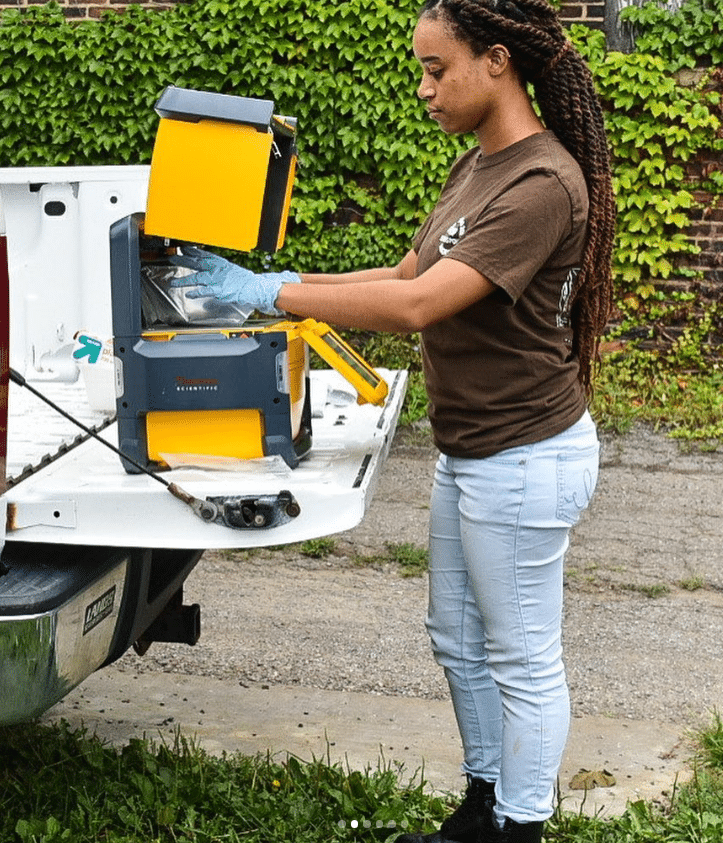
“We stopped dumping dredge into Lake Erie, and Kurtz has set up a staging location on the lake where they separate the dredge so it’s clean,” Basta said. “They mix it in with organic material like yard waste, then they add a little bit of biosolid compost which has a lot of fertilizer value. And then they put a fourth component in there called biosolids incinerator ash.”
Adding this material to lead-contaminated soil reduces the toxic metal’s ability to damage our health by making it harder to digest. The iron helps bind up the lead, making it more resilient in our acidic stomachs, and helping it pass rather than getting absorbed into our bloodstream.
Even better, we have access to these soil additives naturally and consistently at our disposal, using biosolids incineration ash – that’s leftover ash after burning our solid waste — and dredge from the Cuyahoga River. In fact, Kurtz Bros was already utilizing these life-saving materials in a variety of their products. Jason Ziss, director of business development at Kurtz Bros, explained just how efficient it is to make this product with local materials.
“These are all things that are part of Cleveland and Cleveland right now has an initiative to do a circular economy where we are reusing things in our society that are generated from our society. Well, this is exactly that,” Ziss said. “These material components are made locally, manufactured locally, and we are reducing CO2 emissions by keeping it close.”
So, rather than digging up an entire property and replacing it with new soil, the idea is that you could mix this soil in around the property and then cap it with treated, uncontaminated soil. But, despite the promising results on the few plots that have been treated, the City of Cleveland does not have plans to incorporate the lead treatment into their demolition and land bank programs. The City of Cleveland’s director of building and housing, Sally Martin-O’Toole, cited cost as the prohibitive factor.
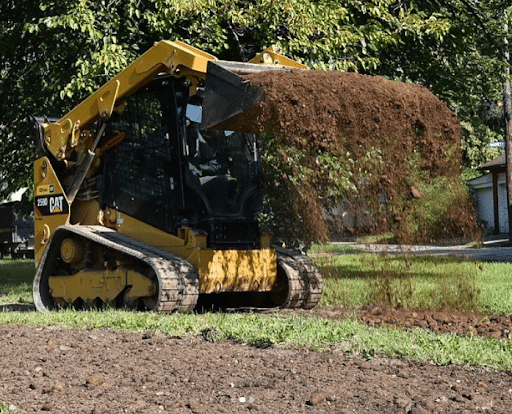
“Unfortunately it hasn’t turned out to be the exciting pilot we had anticipated, Martin-O’Toole said. “We remediated one land bank lot so far. The cost of the product is a major issue and we cannot seem to negotiate a lower cost with Kurtz. Our current thinking is that we will spec it in cases where a demolition of a lead hazard control parcel is occurring. We were hoping it could have been a more wide-spread pilot, and perhaps it can be at some point, but it isn’t yet.”
According to Ziss, previous costs to the city were under circumstances in which Kurtz was revisiting a lot on E. 102nd post-demolition.
“We haven’t had any type of formal negotiations with the city or the county for a program of this sort,” Ziss said. “Really, there haven’t been any discussions of pricing… When these lots were finished, they were turned over to the city or the neighbor or whoever is taking over that asset. Once that lot is finished and vegetated and done, you don’t want to have to go back and tear up the lawn and start over again. And that’s what we had to do on this demonstration lot. But that is not the most cost effective model.”
Instead, Ziss suggests the city roll this lead treatment program into the existing demolition and land bank programs. The city would purchase the product from Kurtz and the same crews that demolished the house would also lay down the treated soil. Ziss affirms, though, that Kurtz is eager to work with the city departments to make it happen.
“I am ready and willing to sit at that table and talk about that because, quite frankly, I think it’s really easy to do. The programs are out and are doing the work, all you need to do is specify the material where it’s applicable. It couldn’t be easier,” Ziss said. “But we have not had those specific conversations, we were more at an exploratory phase… We have lots of work to do, and quite frankly now is the time. These programs are happening, and little to nothing is being done to address the epidemic of lead soil exposure.”
Lynn Rodemann, director of housing services at Slavic Village Development, was part of an effort to treat lots with extremely high lead levels. In a city with excess old housing stock, she sees this treated soil as a cost-efficient way to battle lead exposure.
“It should be used every time we do a demolition, at least topically in the first few inches of soil,” Rodemann said. “I think that it should be utilized in homes where families have triggered (tests) for high lead levels, in rental properties… I think it should probably just be standard… It’s a very affordable, low-threshold remediation. I think it should just be used, probably, in general.”
While Cleveland has ramped up other lead mitigation strategies, like suing landlords that refused to remediate the contamination on their properties, or preventing the sale of lead-contaminated homes by filing affidavits that show up when the property is searched, programs to address lead in the soil around Cleveland homes are still falling short.
Keep our local journalism accessible to all
Reader support is crucial as we continue to shed light on underreported neighborhoods in Cleveland. Will you become a monthly member to help us continue to produce news by, for, and with the community?
P.S. Did you like this story? Take our reader survey!
Author

Related Articles
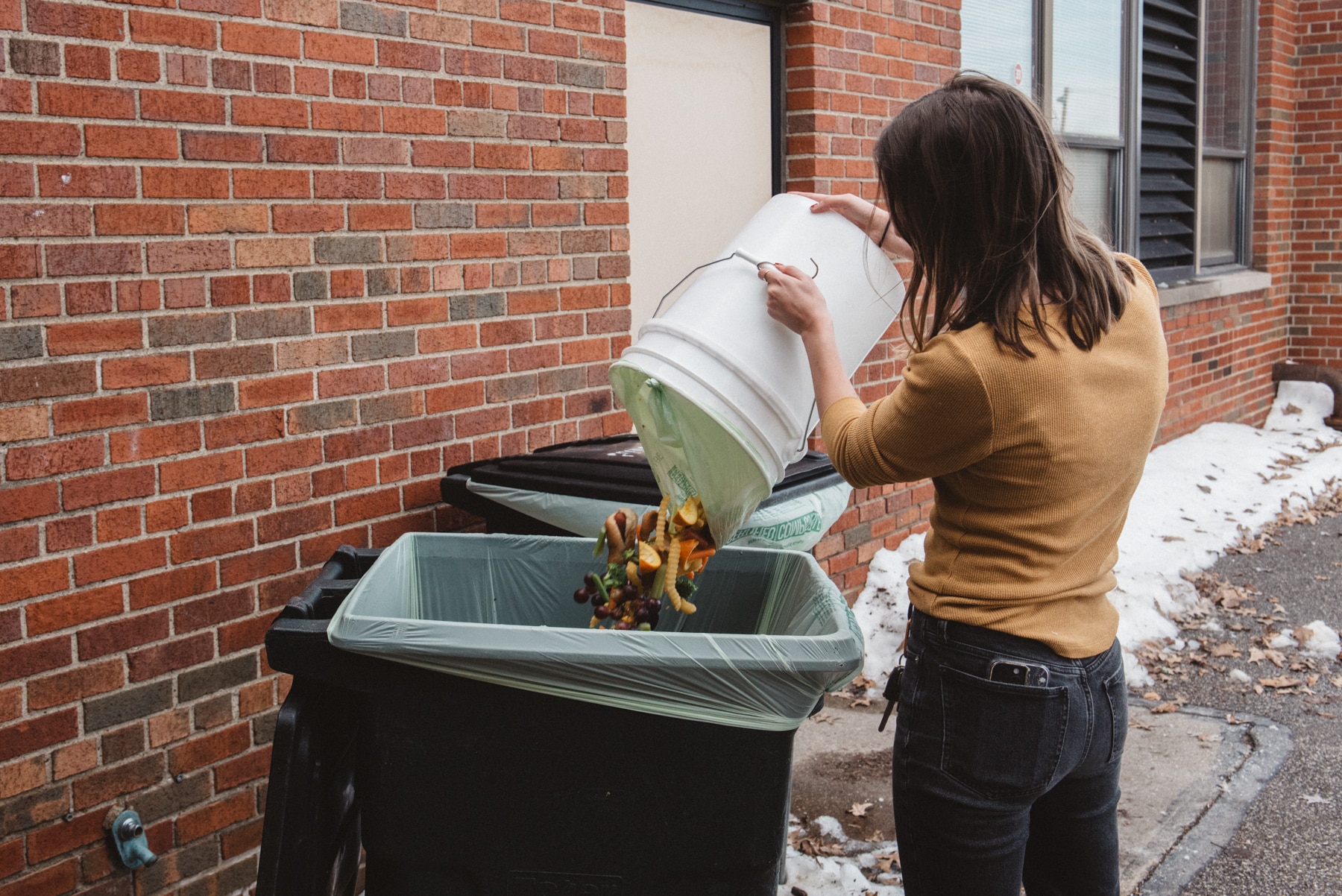
Northeast Ohio schools’ composting merges sustainability, student action
Schools throughout Northeast Ohio are turning food scraps into productive, environmentally-beneficial soil.
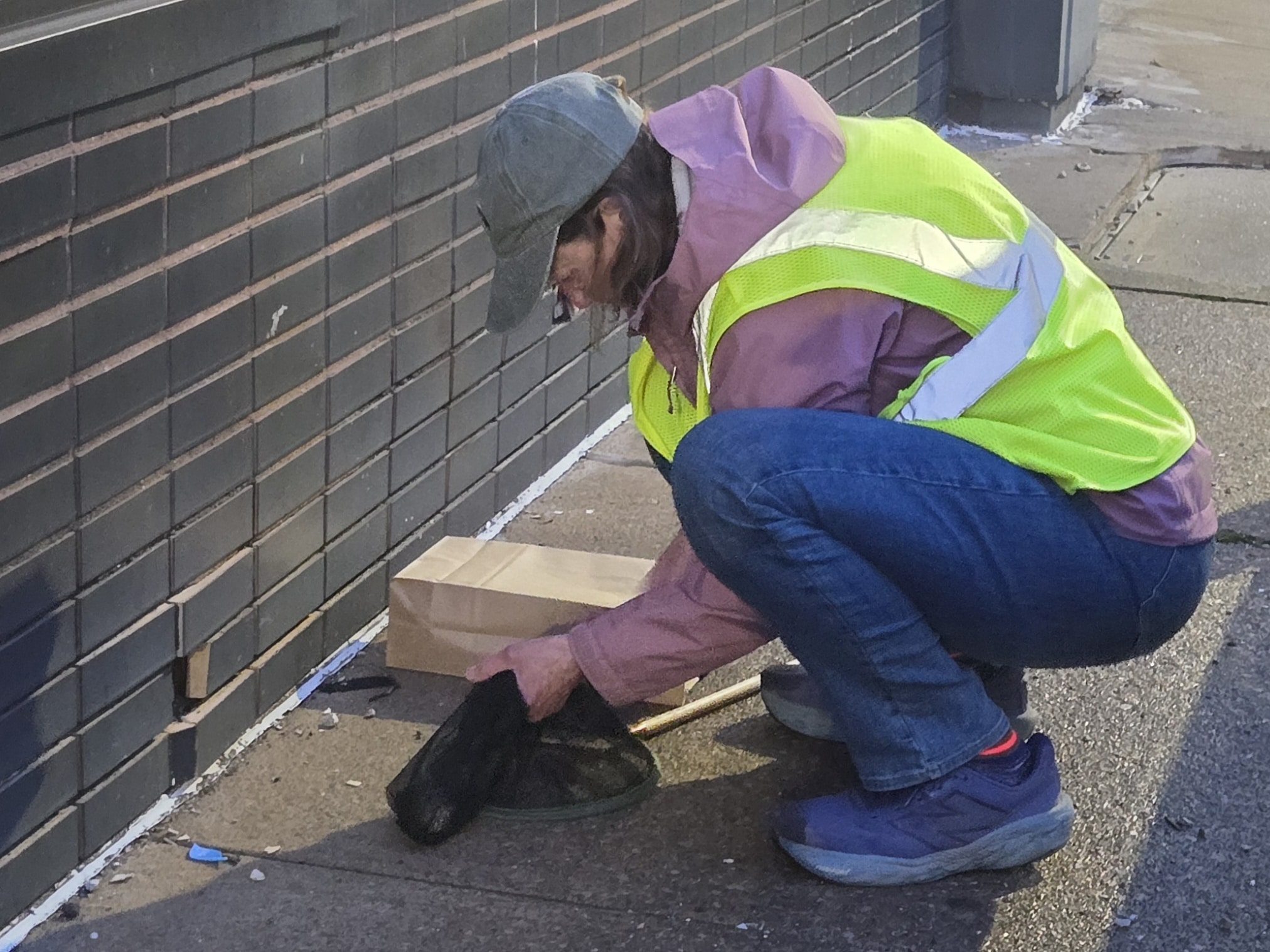
Leave the lights out for them: How a Cleveland group is trying to save the birds
Downtown Cleveland’s mass of lights and buildings can be deadly for birds. Luckily, there’s a local group trying to save our flying friends.

Creating the perfect pollinator garden this spring in Lakewood
Here’s how you can help butterflies, bees and other pollinators this spring and summer.


