“The best way out is always through.” “I don’t know you, but you are worthy of love.” “Don’t let the past steal the present.” These simple messages are examples of the nearly 40,000 handwritten notes that Sara Szelagowski and her volunteers have placed in the greater Cleveland community and beyond over the past three years. Hanging notes in bathrooms, taping them to street signs, or tying them to fences, the cards also contain the phone numbers for existing local addiction recovery resources.
Szelagowski began the process of forming Project White Butterfly, her drug addiction recovery and harm reduction resource nonprofit, in 2019 with the help of Erin Helms of The Woodrow Project. Turning personal grief and experience with addiction into hope and community became the foundation of Project White Butterfly. The butterfly, a symbol of transformation, was chosen in memory of her brother-in-law who overdosed earlier that same year.
Szelagowski’s team started by focusing on places they knew intimately from their own lived experiences with addiction, but Project White Butterfly now also references data from the Alcohol, Drug Addiction and Mental Health Services (ADAMHS) Board of Cuyahoga County, the Cuyahoga County Board of Health, and the Opiate Task Force. The information these organizations provide allows Project White Butterfly to show up to areas with the highest reported overdoses.

The response to Szelagowki’s work has been overwhelming, with requests for these messages of hope coming in through social media from 38 states, Canada, and the United Kingdom. “We have grown so much because we have a unique way of reaching people and it sparks an emotion in them,” Szelagowski said.

From messages of support to supportive services
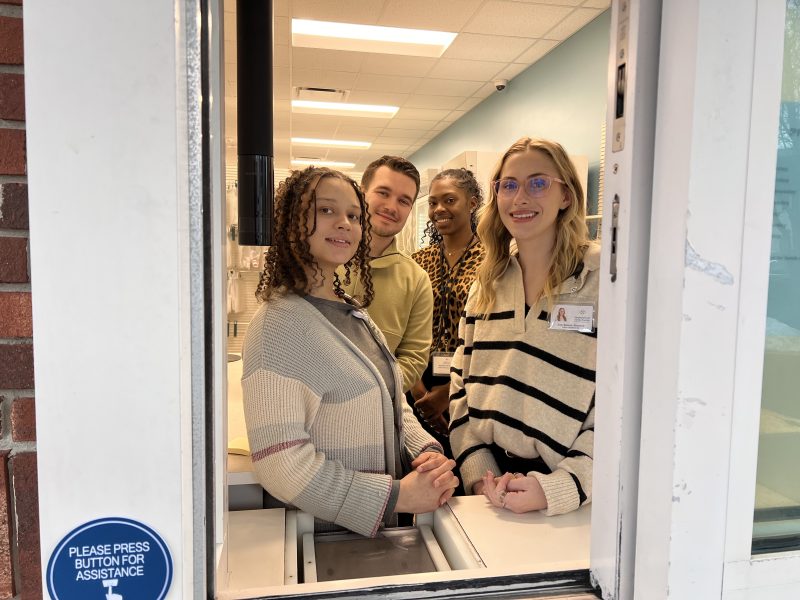
While it started with one simple heartfelt message written on a piece of paper, Szelagowski and her team are now often found under a white tent like the one set up every week this past summer on the sidewalk of Pearl Road in Brooklyn Center. In three years, Project White Butterfly has handed out thousands of naloxone kits (often referred to by a brand name, Narcan, naloxone can reverse an opioid overdose if administered promptly), fentanyl test strips, condoms, food items, and hygiene essentials that include overlooked but highly requested items like sunscreen and nail clippers.
“This is a very neutral, non-judgmental, safe way of speaking out and getting started. People are getting missed because they are not ready to take that step to get into treatment, but if you are on the sidewalk, we have that personal aspect of the outreach that meets people where they are,” said Szelagowski. According to her, though the number of recovery beds and inpatient resources in our area is sufficient, the real difficulty is in getting people to that help.
In the last 19 months, Project White Butterfly has connected over 170 individuals with substance use disorder to treatment, services, and resources for harm reduction and recovery. That consistent presence in the community has been felt. Executive Director of local rehab Stella Maris, Dr. Daniel Lettenberger-Klein said, “The opposite of active addiction is connection, right? And so in really excellent treatment you become a part of a network where if you don’t have that hope in that moment, it’s right in front of you. That’s what becomes transformational – the connection and the community.”
If there is any question about her impact – discussions of “community” and “support” can feel vague – Szelagowski can just reference the 41 people who have come back to her and reported overdose reversals using the naloxone distributed by Project White Butterfly.
Public health responses move to ‘harm reduction’
Szelagowski says Nancy Reagan’s era of DARE or ‘Just say no to drugs’ is over: The continued stigma around drug use ignores its ubiquity and refuses the support that could actually make a difference. However, harm reduction is gaining traction. Harm reduction means working to minimize the negative effects of drug use and support the health of the individual even as they may continue to use. “We have to be proactive about the tools they need and acknowledge that [drug use is] out there,” she said.
At a fall panel on addiction, treatment, and recovery held at the Cuyahoga County Library Parma-Snow branch, Channel 3 News’ Monica Robbins moderated a discussion among three local leaders in the recovery space. (Project White Butterfly hosted a booth at the event.) Panelist Dr. Martina Moore, president and CEO of Moore Counseling and Mediation Services, emphasized that harm reduction is an important part of the recovery process because it saves lives and reduces the barriers to entry for future treatment. Harm reduction includes getting people things like birth control, fentanyl strips, naloxone – and in some places where it’s legal (including New York City and Vancouver, Canada), into safe, supervised places to consume drugs. “If we’re working on recovery, we’re working on keeping them alive so we can get them through that full continuum,” she said.
Most importantly, harm reduction means working to decrease overdose deaths. The County Board of Health projects all overdose deaths in Cuyahoga County will reach 770 in 2022 (at the time of publication, official 2022 data is not yet available), compared to 675 in 2021. Ohio had one of the highest fentanyl overdose age-adjusted death rates of any state in 2021, the most recent year for which data is available. Fentanyl hit Cleveland in the mid-2010s and increasingly mixed with other street drugs. Up to 50 times as powerful as heroin and easier to produce and smuggle, dealers often covertly mix fentanyl with other drugs to maximize their profits. Contaminated street drugs can be deadly, or if people make it to treatment, complicate and lengthen recovery. Clients entering Stella Maris rehabilitation might think they need to detox from one drug, but their drug-test panels are lighting up all across the board, said Dr. Lettenberger-Klein.

Students from Ohio State created an app called SOAR, where people can report highly contaminated batches of drugs in an attempt to head off overdose deaths. Another website created by a team at Cleveland State contains real-time data on treatment centers with open beds, harm reduction resource locations, and locations to obtain peer and family support.
The Cuyahoga County Overdose Fatality Review (CCOFR) meets bimonthly to review overdose cases in order to identify missed intervention opportunities and create written recommendations that agencies will commit to implementing. This has included projects like working with Metro Heath’s Project DAWN to install over 40 naloxboxes (publicly accessible boxes containing life-saving naloxone) throughout Cuyahoga County in 2021. It has also encompassed increased education for medical providers, better linkages to care in emergency room departments, the promotion of drug court, and better substance use disorder treatment in prisons. In CCOFR’s annual Overdose Fatality Review Report from 2021, there is acknowledgement of the importance of wraparound services and support for vulnerable populations.
Community wellness and prevention
But as Lettenberger-Klein states, “We need to be having a larger conversation around community wellness.” According to him, addiction prevention is in part about emotional regulation and mental health. Starting this work early means training parents how to parent, building up executive functioning skills in young people, and developing good communication skills so that individuals and families can confront difficult situations. The pandemic contributed to the ballooned overdose numbers in ways that are very relatable. “It wasn’t about not wanting to be sober, it was about isolation, it was about exacerbation of mental health issues, it was about loss of connection, really,” explained Dr. Lettenberger-Klein.
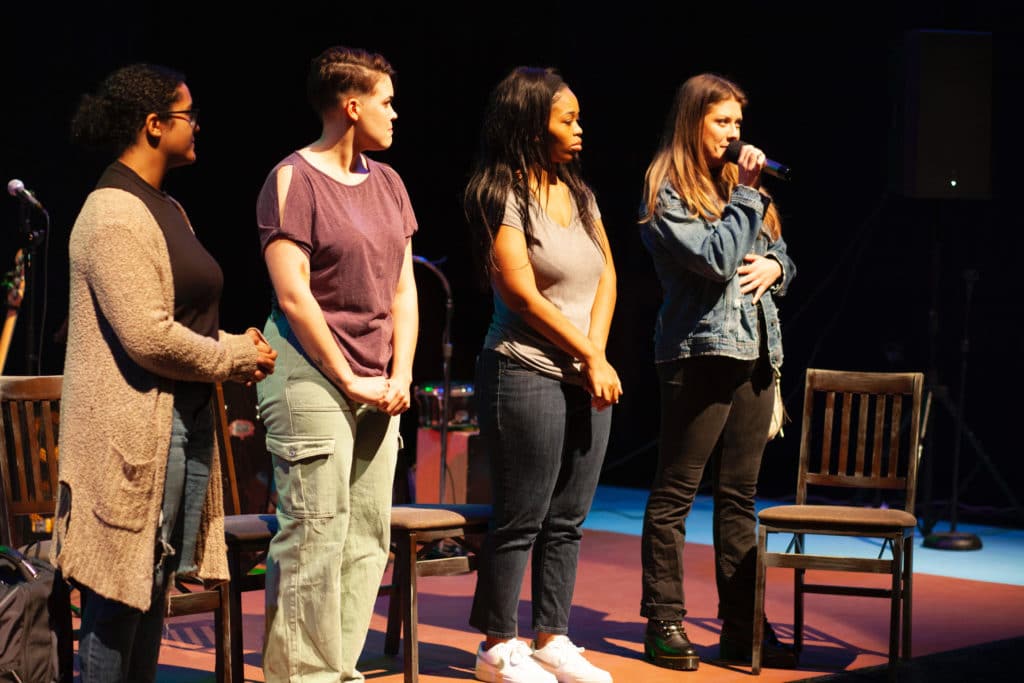
Karen Snyder, Chief Operations Officer of 2nd Act, shared her work and life experience at the recent panel discussion at the Cuyahoga County Library. Her organization fosters communication, reflection, and a support system for young people in schools through theater. “Our prevention plays provide a platform for students to see on stage what many of them view in their lives. We’re allowing that conversation after the play, which is so imperative because there is still a stigma around talking to youth about substance use.” 2nd Act also supports substance use therapists and others in the workforce through acting workshops, attempting to head off burnout. This was highlighted by the panel discussion as a major issue.
When asked if there was one wish or vision that would help her mission, Szelagowski was quick to say funding for more staff to be out on the street. “With the State Opioid Response Grant, we are capped. These very small grassroots organizations started by people with passion need money to keep going. Six times I’ve been on the news, I’ve won an award from the ADAMHS board, but I’m still struggling with funding.” In-kind donations from churches, and funds specifically earmarked for naloxone or printing costs from the ADAMHS Board and Case Western Reserve University advance the cause but don’t pay salaries.
Moore and Lettenberger-Klein echoed the sentiment when speaking about their larger organizations. There is a general lack of funding to pay staff a wage that prevents burnout and compensates them adequately for the lifesaving work that they do. Lettenberger-Klein suggested an endowment for the workforce but also spoke about the current deficiencies with Medicaid. “We need to talk about how payers reimburse because we have a problem. There is very little incentive from a payer perspective for us to get into a position to pay our clinicians and our medical staff a wage that is worth working for. Everyone in that field deserves to be making so much more than they are making.”
Recovery from addiction is possible. For help, please call the free and confidential treatment referral hotline (1-800-662-HELP), visit findtreatment.gov, or reach out to the following organizations and resources:
- To stop using now: Project SOAR (24 hours a day) at (440) 502-0020
- Project White Butterfly (Monday-Friday 9 a.m.- 5 p.m.) at (216) 727-8725
- Cuyahoga County’s 24-Hour Warm Line (440) 886-5950
- SAMHSA’s Suicide and Crisis Lifeline: 988
To donate to Project White Butterfly see their website or mail checks made out to Project White Butterfly to 7452 Broadview Road #148, Parma, OH 44134. To donate to 2nd Act see their website and click on the donate tab.
Sarah Tan was a participant in The Land’s community journalism program.
We're celebrating four years of amplifying resident voices from Cleveland's neighborhoods. Will you make a donation to keep our local journalism going?