Last year was a tumultuous and difficult year for food banks in Northeast Ohio. At the outset of President Donald Trump’s second term, there were substantial cuts made to programs that supplied organizations with the food they needed.
Molly Walsh of cleveland.com reported in early March that the USDA cut over $1 million worth of food, approximately 553,000 pounds of food, from the emergency food program that would’ve gone to the Greater Cleveland Food Bank.
A few months later, in July, Gov. Mike DeWine signed Ohio’s new state operating budget into law, which includes funding for a new Cleveland Browns stadium, restrictions on public libraries and additional legal requirements for people seeking abortions. But, according to advocates, what the new budget doesn’t include is the funding needed for Ohio’s food banks.

The new operating budget, which starts in fiscal year 2026, decreases funding for food banks across the state from $32.5 million back to the pre-pandemic level of $24.5 million. This number is significantly lower than the $36.98 million per fiscal year requested by the Ohio Association of Food Banks. These cuts result in a gap of about 12 million dollars and increase pressure and worries at food banks like the Greater Cleveland Food Bank (GCFB). Karen Ponza, communications director for the GCFB, outlined some of the organization’s concerns about the looming cuts.
“The Greater Cleveland Food Bank is concerned about the recent reductions to vital state and federal public nutrition programs,” she said. “These are part of a critical safety net that makes it possible for children, seniors, veterans, individuals with disabilities and working families to access the food they need to survive and thrive.”
In the months following the signing of Ohio’s new state budget, Americans grappled with the longest government shutdown in US history, which paused SNAP distribution to millions of people. The Food Research and Action Center still has strong worries that even though the shutdown is over, millions of Americans will lose SNAP benefits in the next few months due to the Republicans’ tax and spending bill. It will cause an increase in the use of food banks at a time when their resources are decreasing. The organization ran a Stop That SNAP Shift Day of Action on Thursday.
As these cuts come from both the state and federal levels, the Ohio Association of Food Banks Executive Director Joree Novotny articulated some of these concerns and discrepancies in policy and the current situation for many Ohioans. Massive cuts are coming at a time when grocery prices are rising, she said, and the utilization of food banks in Ohio increased 10 percent from 2020 to 2023. Cities like Lakewood and Cleveland, which GCFB provides food and distribution services to, could be greatly affected by these cuts, with the possibility of GCFB and its partners having to reduce services.
Impact of Cuts on Lakewood and Cuyahoga County Residents
The upcoming cuts at the federal and state levels could significantly reduce the amount of food GCFB can distribute, the organization said. This could affect thousands of people across Lakewood and Cuyahoga County who rely on SNAP, GCFB or other food programs to get needed nutrients.
“Together, these reductions will have a significant impact on our ability to provide food to people when they need it the most,” Ponza said. “Without additional public or private support, the Greater Cleveland Food Bank projects a roughly 15% reduction in food (7.5 million fewer pounds) in the fiscal year 2026 (compared to fiscal year 2024). For the 424,000 neighbors, in six counties, who rely on the Greater Cleveland Food Bank and our 1,000+ partner programs for help, these public nutrition programs are essential.”
Ponza also added information on other essential programs being cut by the state and federal government, “To date, federal food programs impacted by recent legislation include the cancellation of a program that helped us purchase food from local farmers; a reduction in funding for the Commodity Credit Corp program through the USDA, a reduction in caseload for CSFP(Community, Supplemental, Food, Program) – or our senior box program and a reduction in funding for the Supplemental Nutrition Assistance Program (SNAP).”
SNAP cuts could be particularly crucial, as SNAP provides one in nine meals to individuals across Northeast Ohio. With substantial cuts to SNAP, this could increase reliance on food banks among those individuals. The increased reliance on food banks would be difficult for GCFB to match with reduced funding and resources, Ponza said.
The city of Lakewood has implemented a SNAP relief program to try and aid residents. The program intends to be far-reaching and secure long-term SNAP and food services for low-income and food-insecure individuals.
The plan involves using existing funds to provide direct relief to low-income food-insecure individuals who have had their SNAP benefits cut or restricted and to reach as many people receiving SNAP benefits as possible.
Mayor Meghan F. George outlined some details and goals of the program in a recent press release: “Lakewood has a significant population of low-income residents who rely on SNAP benefits to meet their basic nutrition needs, including a large percentage of our seniors,” George said.
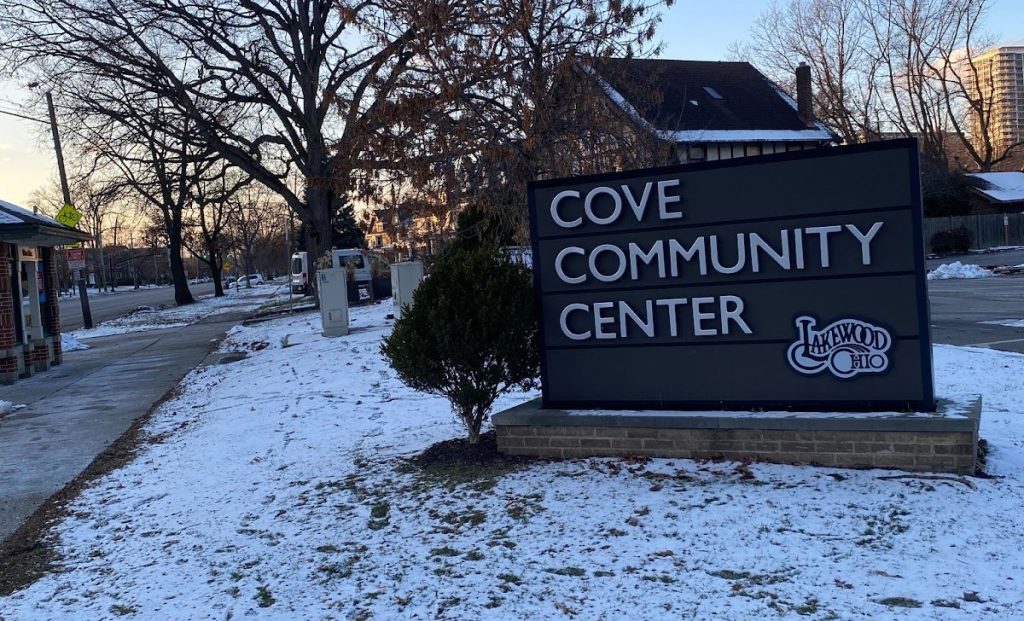
The plan that Lakewood Human Services would like to implement would include direct assistance by providing $50 Aldi gift cards, community funding and donations through the Healthy Lakewood Foundation, a city-wide food and goods drive and a once-a-month community meal at the Human Services building at the Cove Community Center. The program began in November.
“As the federal shutdown began to drag on, we knew that if SNAP benefits were affected, it would be a major threat to the health and well-being of those residents. With that in mind, our Human Services Department began exploring a plan to help lessen the strain on those in need,” George said.
The city has also created a web page that explains the SNAP Relief Program in detail.
Greater Cleveland Food Bank’s Involvement in the Lakewood Community
In data provided by PantryTrak, which tracks hunger relief efforts for food pantries, mobile pantries, and seniors markets, from Oct. 1, 2024 through Aug. 25, 2025, more than 2,600 households were served at GCFB partners in Lakewood. This accounts for about 6,300 individuals. Lakewood households accounted for more than 21,200 visits for some type of assistance. With Lakewood’s current population of 49,517, that results in about 12% of the total population receiving some services from GCFB or its partners.
The most common locations and subsections for assistance included:
- Lakewood Community Services Center : 61% of visits by Lakewood households.
- May Dugan Center (CLE: Ohio City: 6% of visits by Lakewood households
- Barton Senior Center (Lakewood): 5% of visits by Lakewood households
- Salvation Army – West Park : 4% of visits by Lakewood households
- GCFB Market at the Community Resource Center (CLE: Collinwood – Nottingham): 3% of visits by Lakewood households
These efforts resulted in about 110,628 pounds of food distributed, which equates to about 92,000 meals for food-insecure individuals across Lakewood. With upcoming budget cuts, GCFB and its partners could see significant reductions in food services, and in a worst-case scenario, have to turn people away because they may not have food available.
Next Steps
Like other organizations in the area, GCFB is still working to ensure that members of the community don’t go hungry and is fully committed to their goal of providing nutrients to citizens of Greater Cleveland.
Ponza communicated GCFB’s current mindset going forward: “Food is a basic need and a fundamental building block of strong communities. The Greater Cleveland Food Bank remains fully committed to doing everything in our power to provide as much nutritious food as possible to as many of our neighbors as possible and to meet the continued high need,” Ponza said. “The Food Bank will continue raising funds and stretching every dollar to provide as much food as possible, and will turn to our donors in the food industry for help. We cannot do this work alone and will continue to work with our many partners, locally and nationally, to ensure no one in our community goes hungry.”
They also understand that they may need additional support from the community, and every donation is impactful. One dollar provides two meals to a family in need. But if you are interested in a more hands-on involvement, GCFB offers volunteer opportunities to learn more. Call 216-738-2265 or visit the GCFB website today.
We're celebrating four years of amplifying resident voices from Cleveland's neighborhoods. Will you make a donation to keep our local journalism going?