
Affordable housing in Hough, Midtown could get a lift from ARPA dollars
The city of Cleveland is proposing using $511 million in American Rescue Plan (ARPA) dollars to help get The Allen Estates and Warner Swasey developments off the ground.
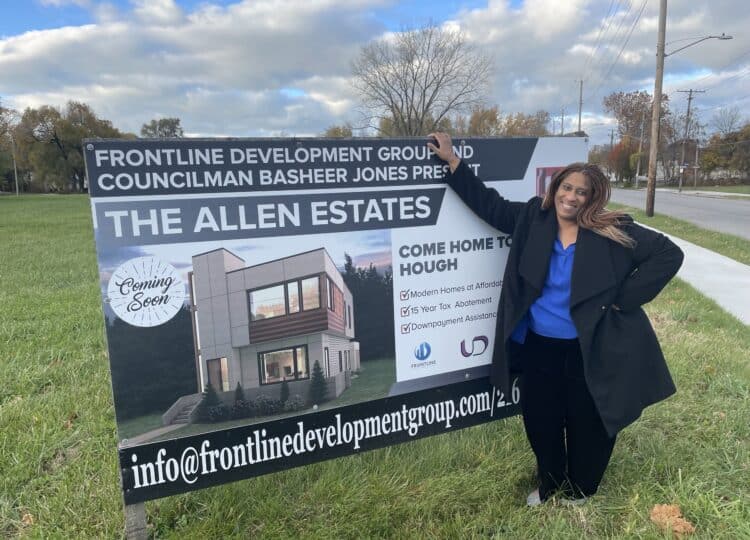
The city of Cleveland is proposing using $511 million in American Rescue Plan (ARPA) dollars to help get The Allen Estates and Warner Swasey developments off the ground.

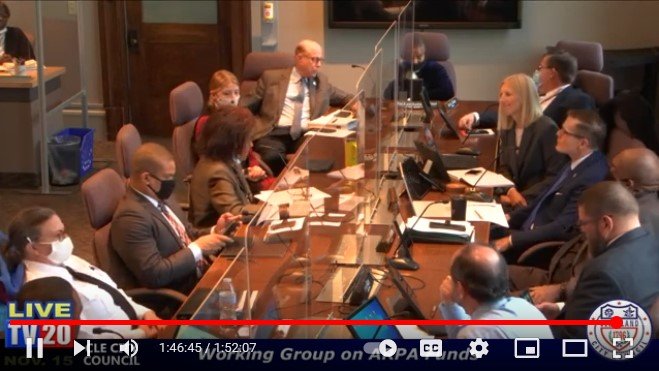
Just three Cleveland City Council meetings remain this year if the Jackson administration wants to pass its proposed ARPA spending plan for the first half of the city’s $511 million in American Rescue Plan Act (ARPA) funding.
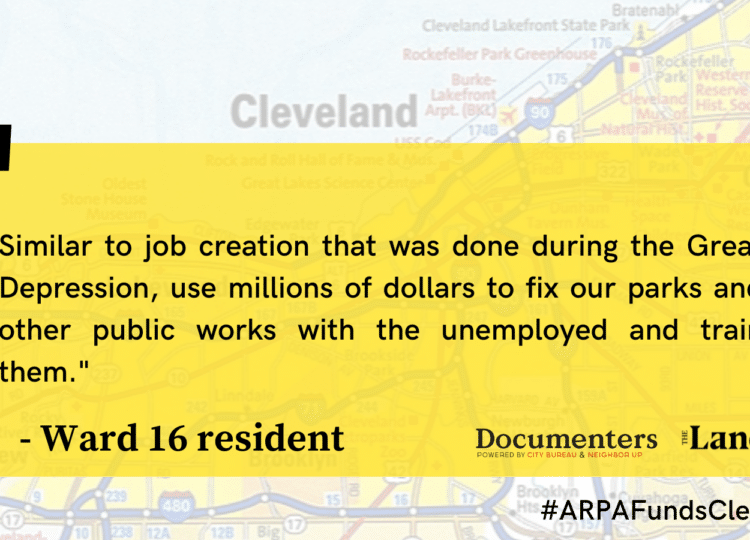
Cleveland officials have spent months hashing out how to spend a portion of the $511 million in federal stimulus money from the American Rescue Plan Act. But what do residents want the money used for? The Land and Cleveland Documenters put in a public records request to find out.
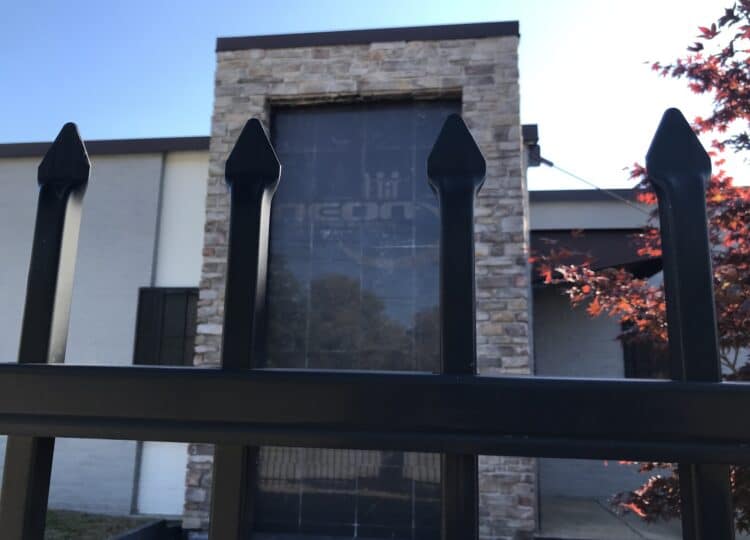
NEON Health Services is requesting $2 million from the city’s ARPA budget to provide community health programming and repair the Hough Medical Center, which suffered a fire in May of this year. Yet the agency has been running up deficits, defaulting on its debts, and losing patients and staff for years, leading concerned employees to question the future of the organization.
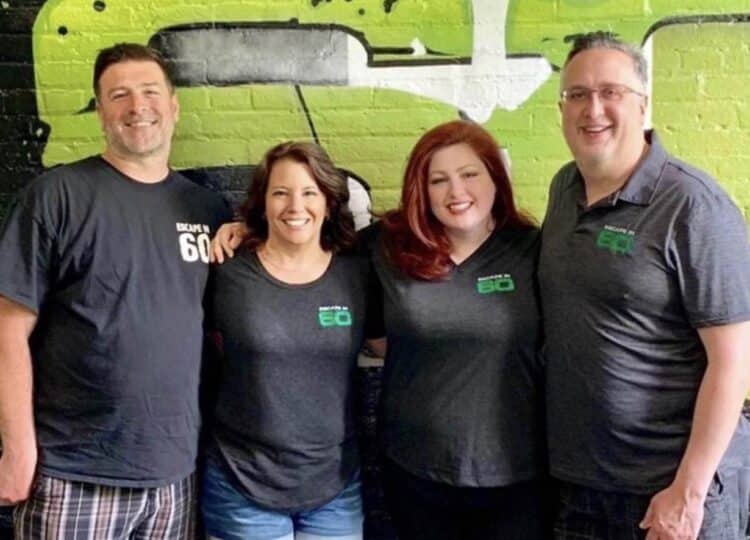
Twelve weeks after enrolling in JumpStart’s small business impact program, Mondie Gonzales, co-owner of “Escape in 60” in Cleveland’s Warehouse District, won its entrepreneur showcase competition with a pitch for a unique, more impactful line of escape rooms and other puzzle experiences.
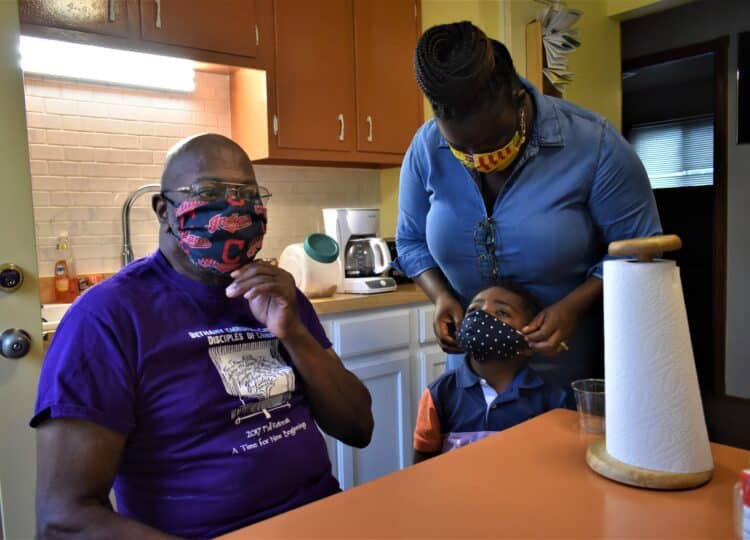
Parents and caregivers of Northeast Ohio: Monday, Nov. 15 is the deadline to make sure you receive advance payments from the expanded child tax credit program. Most parents and caregivers are eligible for thousands of dollars in assistance, with decreasing levels of money available for those making above $150,000 per year for married couples, above $112,500 per year as a head of household, or above $75,000 per year for a single parent.
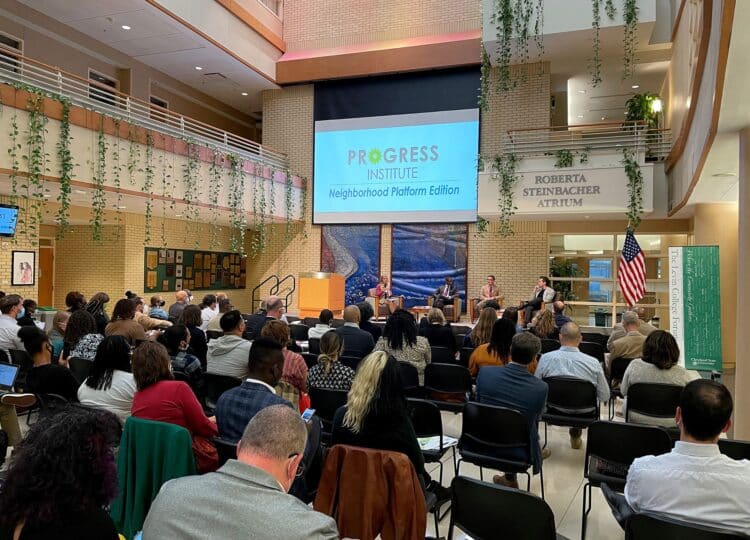
Community development corporations have launched a neighborhood platform to influence the next mayor’s agenda after the Nov. 2 election. They see an opportunity to not only influence a Kelley or Bibb administration, but also to help the city recover from the COVID-19 pandemic, which has disrupted city services, exacerbated disparities between residents, and wreaked havoc on local business districts.

In a city where 60% of households are renters, many Clevelanders face uncertain futures. Tenants who are a day late with the rent can receive an eviction notice, and landlords can refuse to rent to tenants who choose to pay with a housing voucher. A coalition of housing advocates and area organizations is asking Cleveland mayoral candidates Justin Bibb and Kevin Kelley to support renter protection legislation to address these issues.
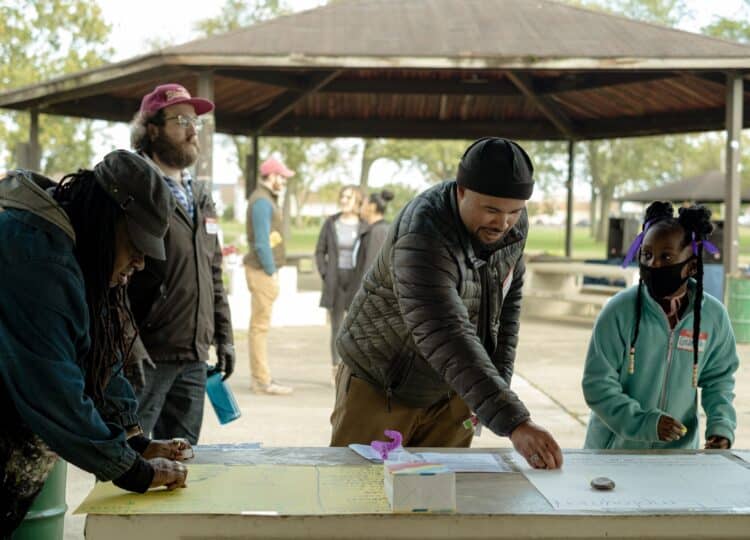
Participatory Budgeting Cleveland held its first educational, public event on Saturday in Woodland Hills’ Luke Easter Park that aimed to educate citizens on the participatory budgeting process.

The Rocket Community Fund, Cleveland Neighborhood Progress, and the Cleveland Foundation have announced a new program called “Neighbor to Neighbor” that aims to bridge the digital divide and address housing instability in Cleveland neighborhoods. Through a door-to-door canvassing effort, organizers will identify resident needs and try to fill them.
Did you like this story?
We'd love to hear your thoughts on our reporting.

There’s no better time to support our work. Get your new monthly donation matched 12x when you give before Dec. 31.
Want more news by and for Clevelanders?

Thank
You!
USE COUPON CODE
WELCOME20
Follow us on Facebook
This site uses cookies to provide you with a great user experience. By continuing to use this website, you consent to the use of cookies in accordance with our privacy policy.
