
Relief for Northeast Ohio sewer bills is here for renters, but will they access it?
Most eligible low-income residents aren’t tapping into the affordability program; meanwhile, Cleveland water discounts still only apply to property owners.

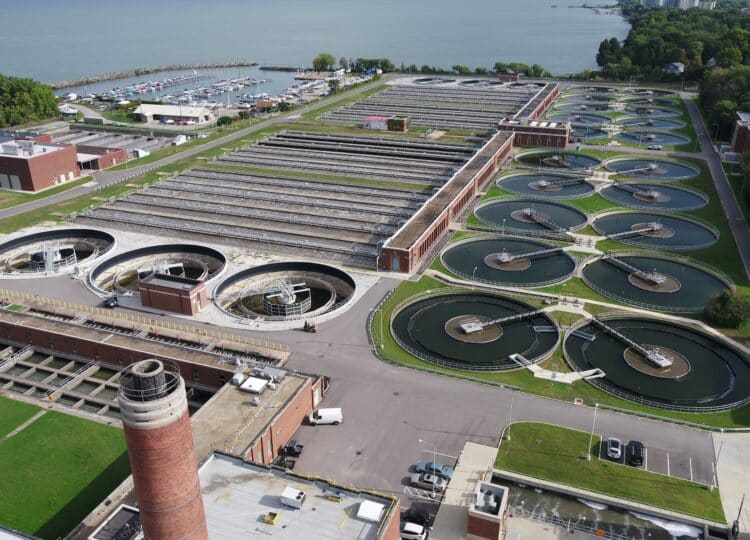
Most eligible low-income residents aren’t tapping into the affordability program; meanwhile, Cleveland water discounts still only apply to property owners.
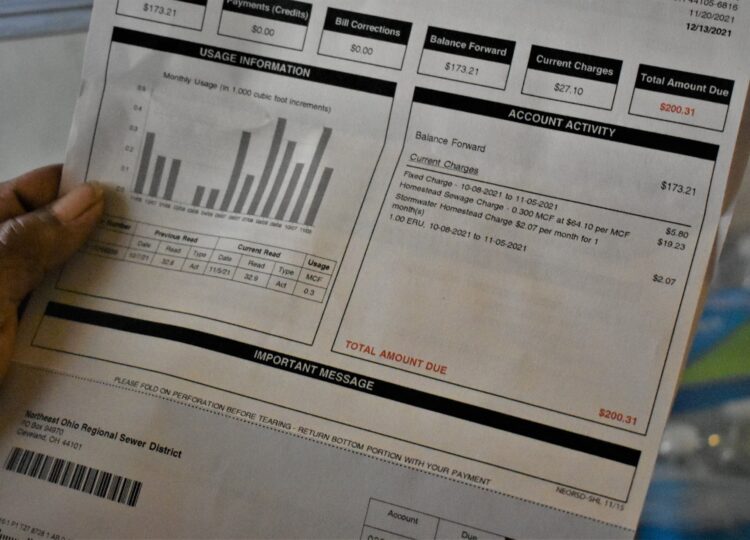
Cuyahoga County residents who need help with their water and sewer bills may benefit from a new emergency program, but barriers abound for assistance programs like this.
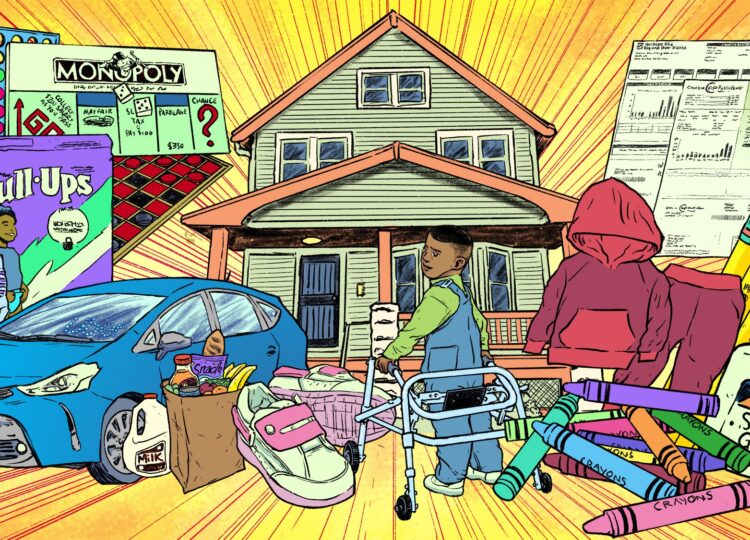
The Child Tax Credit program has significantly helped some families make ends meet, but others who should have been automatically enrolled in the program simply were not.
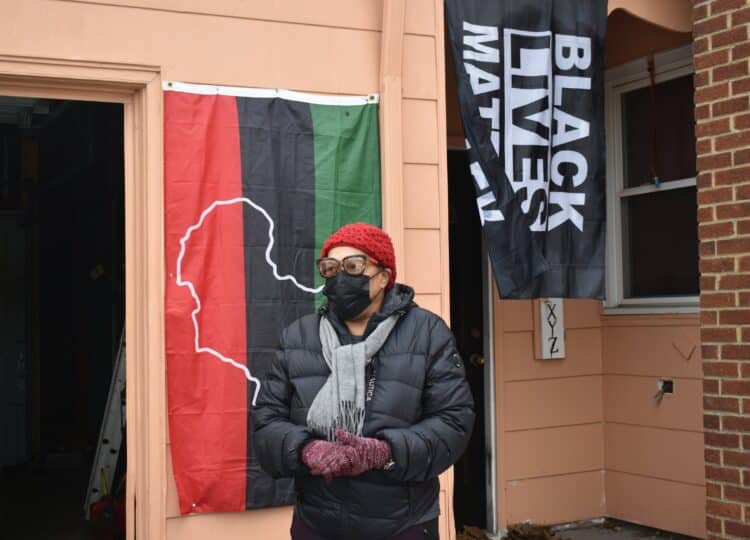
The number of people behind on their water bills in the Cleveland area has tripled during the pandemic. Now, almost one in every four water accounts are behind by at least one bill, as the city has resumed water shutoffs for nonpayment. Everyday people like 63-year-old Janet Gill-Cooks are struggling to pay their utility bills, and to navigate the systems of assistance that are available for utility bills. What can be done about this problem?
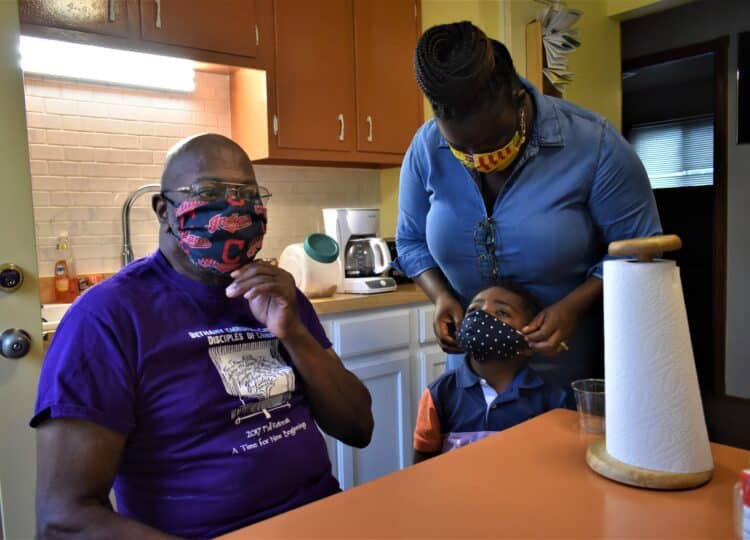
Parents and caregivers of Northeast Ohio: Monday, Nov. 15 is the deadline to make sure you receive advance payments from the expanded child tax credit program. Most parents and caregivers are eligible for thousands of dollars in assistance, with decreasing levels of money available for those making above $150,000 per year for married couples, above $112,500 per year as a head of household, or above $75,000 per year for a single parent.
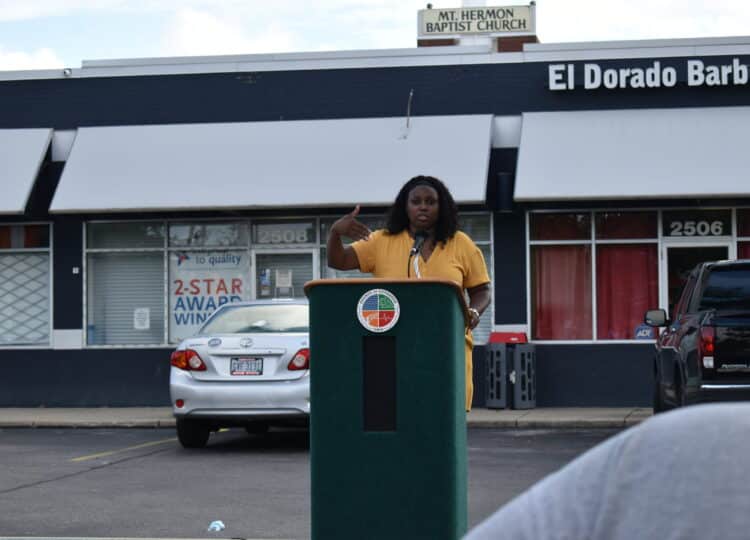
Cuyahoga County Executive Armond Budish and other local politicians caught an earful when they gathered at a shopping plaza in Cleveland’s Central neighborhood in mid-August to discuss a “surge” of funding to address poverty and inequity in the area. Neighborhood residents who gathered in the plaza’s parking lot said these ideas didn’t meet their needs.
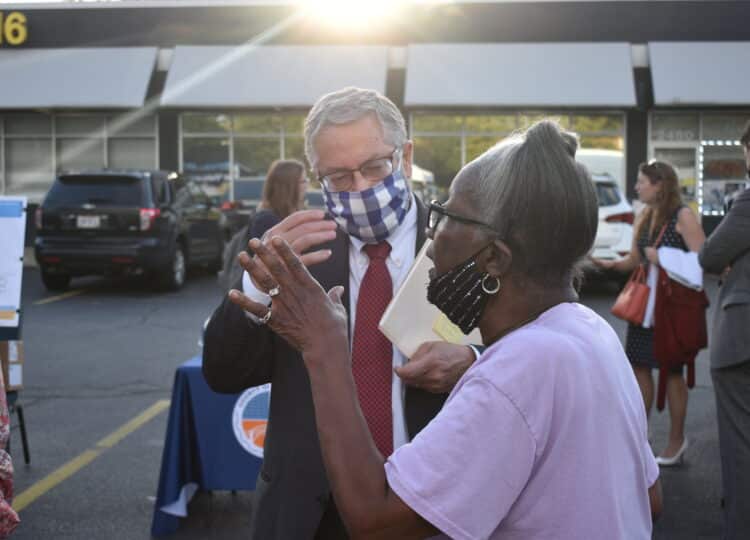
Cuyahoga County Executive Armond Budish announced a major project last week to expand wireless internet access to approximately 70% of Cleveland’s Central neighborhood, and provide Internet equipment to 500 of 2,500 households. He called it part of a broader effort to revitalize Cleveland’s urban core.
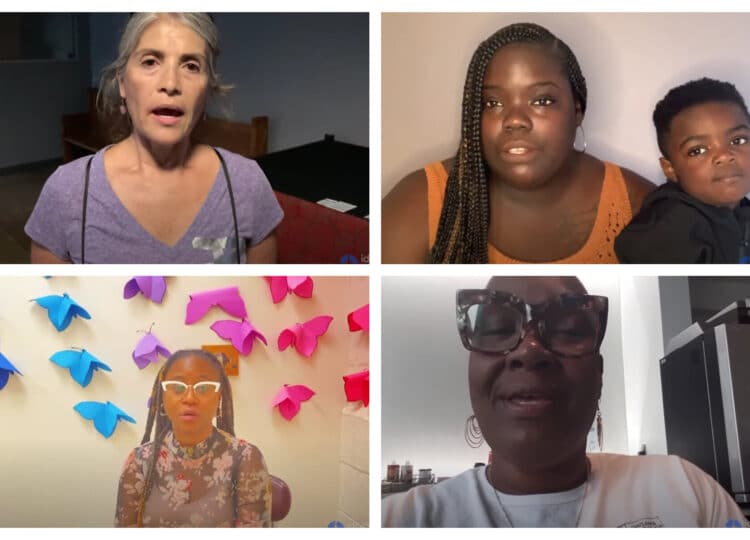
Questions during the second Cleveland mayoral debate challenged the mayoral candidates to envision a city with a strong economy, a clean and safe environment and a robust public education system. Just as we did after the first debate, the Northeast Ohio Solutions Journalism Collaborative reached out to residents who asked questions to see what they thought of the candidates’ responses.

Northeast Ohio residents got the opportunity to question seven candidates for Cleveland mayor about their priorities on public safety, racial equity and more last week during a mayoral debate coordinated by Ideastream Public Media and the City Club of Cleveland.
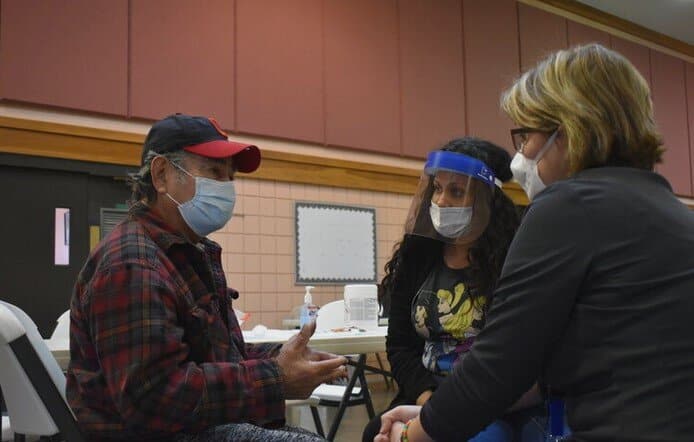
Northeast Ohio’s economy has suffered setback after setback in recent decades. There was the loss of major industrial players which led to the American rust belt decline. Then there was the 2008-2009 recession. And finally, the pandemic.
There’s no better time to support our work. Get your new monthly donation matched 12x when you give before Dec. 31.
Want more news by and for Clevelanders?

Thank
You!
USE COUPON CODE
WELCOME20
Follow us on Facebook
Did you like this story?
We'd love to hear your thoughts on our reporting.

There’s no better time to support our work. Get your new monthly donation matched 12x when you give before Dec. 31.
Want more news by and for Clevelanders?
Thank
You!
USE COUPON CODE
WELCOME20
Follow us on Facebook
This site uses cookies to provide you with a great user experience. By continuing to use this website, you consent to the use of cookies in accordance with our privacy policy.
