Advertisement

Author

Stephanie Czekalinski

Czekalinski had a decades-long career in journalism writing about immigration, violence, demographic change, and policy. Her award-winning work appeared in The Atlantic, The National Journal, and The Columbus Dispatch. She recently returned to journalism after taking a break from the work she deeply loved to care for her family. The experience was difficult and clarifying. She realized that the most intoxicating - and deeply missed - aspect of being a journalist was possessing the platform for truth-telling. What she learned in the purifying crucible of motherhood is that The Truth is best expressed by many people, that the world thirsts for expressions of experience that ring true, and that very few people feel empowered to speak Truth and share it with others. Now she’s embarking on a new adventure at NPR.
Advertisement

Stephanie's Latest Articles

Who pays property taxes to support services when the economy is dominated by nonprofits?

Fifty years ago, when Clevelanders needed to fund schools, pay for parks or expand libraries they relied on booming tax revenue from large companies. General Motors, Republic Steel Corp. and Ford Motor Co. employed thousands of people and provided a tax base to fund services for the community. But Cuyahoga County's economy has changed.

Color-coded map of Cleveland showing redlining
The debate over tax breaks for nonprofit Cleveland-area hospitals is also about racism and redlining

For years, hospitals and public policy wonks have been engaged in an ongoing debate over whether nonprofit hospitals provide adequate benefits to the community to make the tax breaks they receive a good deal for taxpayers. That debate is further complicated by the history of racist policies like redlining that still affect Clevelanders today.

Cleveland nonprofit hospitals get millions in property tax breaks. Many are asking, ‘Is it worth it?’

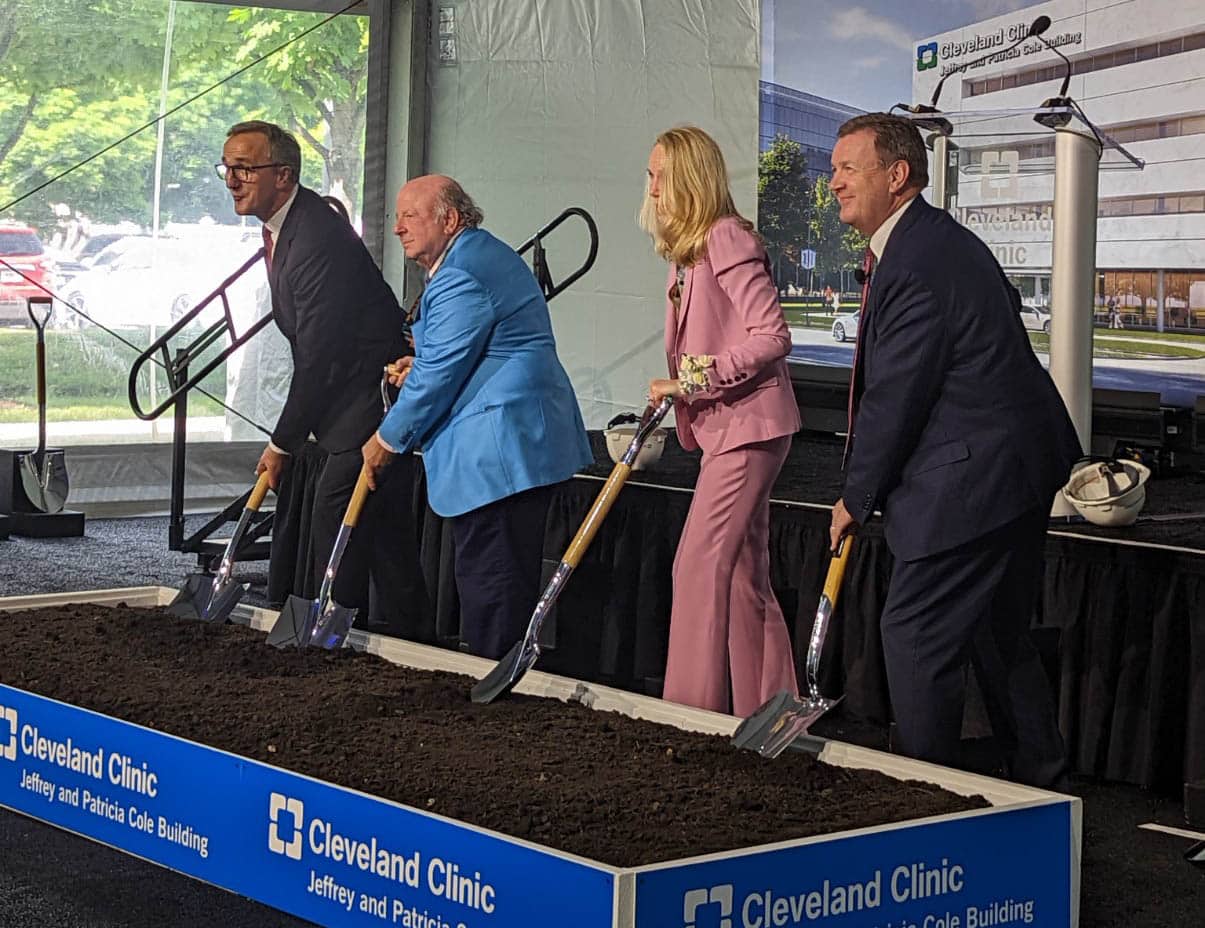
An Ideastream analysis of Cuyahoga County fiscal records shows that the clinic owned at least $2.4 billion in tax-exempt property countywide as of 2018 assessments. If that property was taxable, it would contribute about $84 million to government coffers annually.

Cuyahoga County is trying to address decades of disinvestment in communities of color. Is it working?

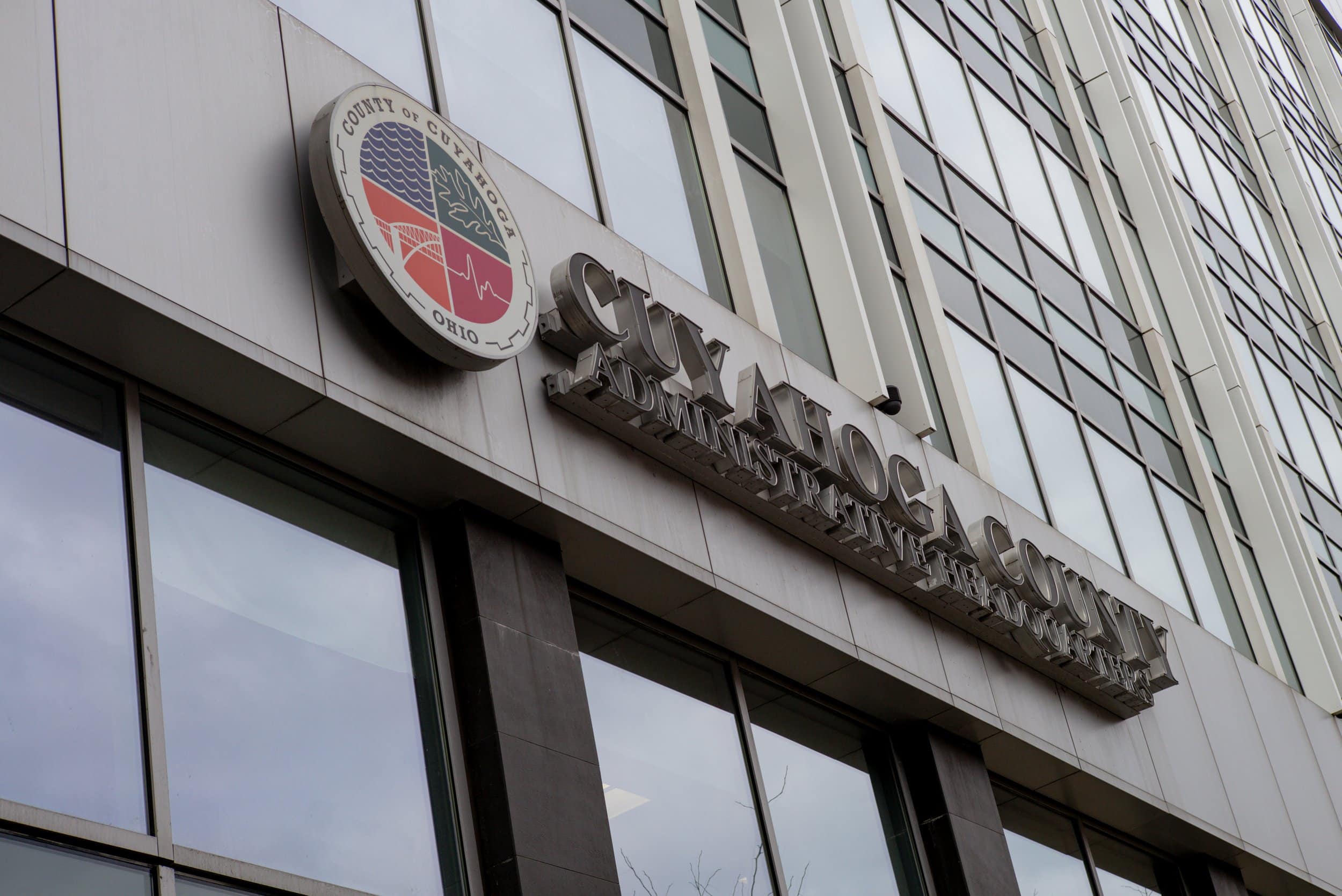
Cuyahoga County officials say they’re committed to reducing health disparities through through economic development, but some local racial equity experts and community stakeholders question whether the county’s initiatives are having a real impact.

Thank you to our sponsors

Did you like this story?

We'd love to hear your thoughts on our reporting.

There’s no better time to support our work. Get your new monthly donation matched 12x when you give before Dec. 31.

Want more news by and for Clevelanders?

Thank

You!

USE COUPON CODE 

WELCOME20

Follow us on Facebook