The earthy, familiar smell of graphite and eraser bits washes over me as I step into a classroom at Buhrer Dual Language Academy. Class has been dismissed, yet about 30 fourth-grade students remain seated. They are planning their community service project for the spring semester, a curriculum provided by sports-based literacy program Cleveland SCORES. I am standing with Michele Ibarra, principal of Buhrer, and Alison Black, the executive director of Cleveland SCORES. Ibarra asks the class: “So, what kind of words did you decide you want this project to be about?” Ten students eagerly shove their hands upwards. “Kindness!” says one young student. “Helping each other and not bullying,” says another. A young boy twitching with the excitement of being called on yelps out, “NO BAD WORDS!” and the classroom erupts into laughter. Later, when I ask this student what he has been working on, he says: “Poetry, but now we get to play soccer,” before lining up at the door to follow his classmates out to the blacktop.
Last spring, studies and yearly surveys revealed the literacy rate of Cleveland residents to be at a staggering low – on a steep decline versus 2024. The Ohio Report Card showed literacy as the lowest faculty of 4th and 8th graders in the Cleveland Metropolitan School District, and a statistic from a Case Western Reserve University study reemerged calling 66% of Cleveland’s adults “functionally illiterate.” This discourse sparked media tumult not only in reaction to the devastating data, but to the simplified language surrounding it. Growth in reading and writing is directly tied to an individual’s sense of self-worth. The social shame of illiteracy pervades everyday life, and perhaps the attention to “failure” in Cleveland’s literacy rates does not inspire motivation – rather desperation – to find a solution.
A year later, the literacy reports from CMSD’s report card have not improved. Underlying causes of illiteracy include housing issues, poverty and a lack of childhood preparation. Now, in the face of federal funding cuts to education, it is more and more challenging to sustain, let alone grow, academic excellence. Fortunately, many nonprofit organizations are mobilizing independent funding and working outside of the traditional education environment to provide literacy education to children and adults alike. I spoke to organizers of these nonprofits to gain insight into the successes and challenges of literacy education today.

Cleveland’s “Poet-Athletes”
Cleveland SCORES was established in 2004, and now operates in 17 schools across the Greater Cleveland area. Their curriculum requires two days a week of writing, and two days a week of soccer – offering up to 50 extra hours of additional literacy instruction throughout the school year. More than just after-school reading, students build writing and empathy skills through a focused curriculum. “There’s reading involved in their curriculum, but there’s also a lot of writing,” says Black. “We know Cleveland doesn’t have great test scores. But writing can really tip a kid into proficiency. So when we’re coming out of state standards, writing is a huge piece of that.” For Black, the program is about inspiring the joy of literacy above all else. The daily rotation between sports and writing keeps students hooked in the program and engaged with the growth of their literary skillset. Black tells me that principals at various Cleveland schools have noticed higher daily attendance from students who want to participate in the program. “We pride ourselves on two days a week they’re in soccer, and two days a week they’re in literacy,” she says. “You cannot skip in and out. You have to be in both.”
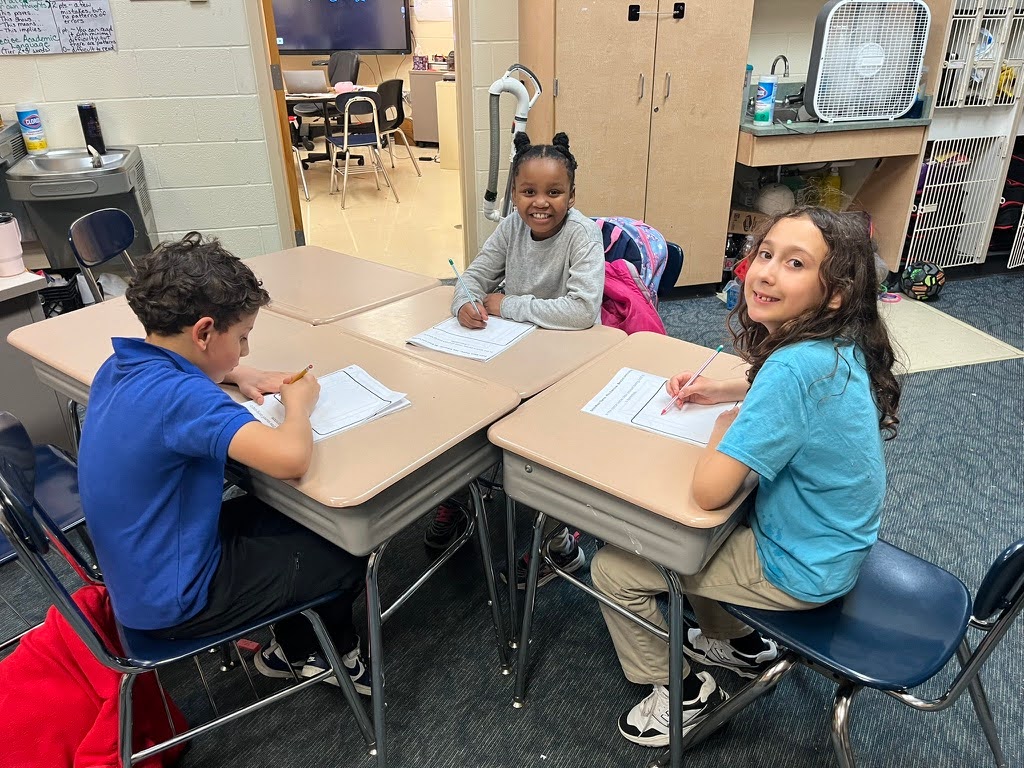
As a lifelong student-athlete, I am deeply encouraged by the accessibility and balance of both activities. There is no GPA requirement to join Cleveland SCORES, school attendance is the only “must.” This policy sustains students’ ability to stay focused and engaged with writing and sports without academic barriers that otherwise might prevent them from playing a school-sponsored sport.
As is true for most nonprofits, Cleveland SCORES relies heavily on their community partners for funding and mobilization. They partner with many local organizations, schools and businesses including Beat the Streets Cleveland, Cleveland Public Library, Cleveland State University and Cuyahoga Metropolitan Housing Association. These partners and more allow SCORES to keep their program free and accessible for all interested students.
Encouraging Literacy with Free Books
Just across town from Buhrer, Kids Book Bank (KBB) is celebrating a birthday – February marks 10 years of the nonprofit inspiring literacy by providing free, diverse books to the children of Cleveland. Since 2016, they have partnered with Cleveland organizations to distribute millions of books among the community. In October 2025 they found a new home, featuring a 22,000-square-foot warehouse to store and distribute their books. Mahogani Graves, community outreach lead at KBB, gives me a tour of the facility. Inside the warehouse are the most books I’ve ever seen in one place – all in huge boxes labeled by genre and age. I wonder out loud about organization, and Graves tells me they manage them all through volunteers from the community. Their ADA-compliant building allows them to welcome volunteers of all ages and abilities, including time slots for young people (ages 8-12) to come with their parents.
The majority of their ongoing support and funding for this new space comes from independent donors and community partners. She emphasizes the importance of structured collaboration between organizations. “We partner with everyone,” Graves assures. “We don’t care if it’s a workforce program, if it’s a food pantry, or early childhood program. It doesn’t matter what you do, you can always thread in literacy.”
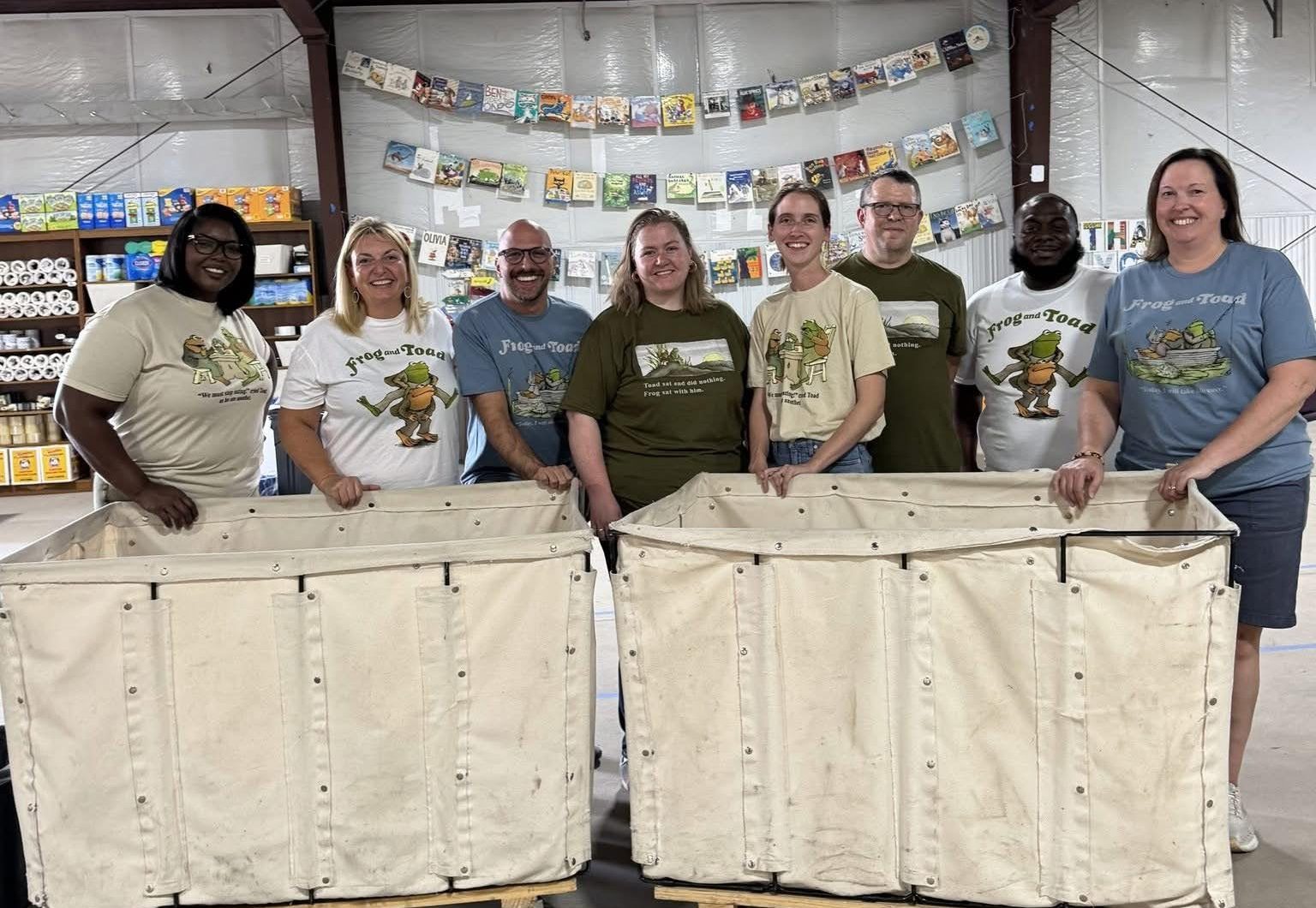
KBB enacts their collaborative mission by providing free community bookshelves at neighborhood recreation and wellness centers across Cleveland. They are also in partnership with West Side Market, where you can find one of their free bookshelves. As housing, poverty and accessibility barriers increasingly challenge literacy rates in Cleveland, KBB is dedicated to encouraging literacy in all aspects of life. “When people think of a need, they automatically think of food, water and housing,” says Volunteer Services Coordinator Devin McNulty-DeMarco. “They don’t think of the education and literacy side, which is understandable. But people don’t realize the impact of literacy.” By encouraging young literacy through free books and programs, nonprofits like KBB are working to promote a cycle of literacy that begins in the home.
Beyond the books
At its core, literacy is about independence and empowerment. Those of us with an aptitude for language take for granted certain everyday tasks: writing a professional email, reading the fine print on a lease agreement, having a conversation with friends about recent news reports. Literacy extends far beyond the ability to read and write; it is how we relate and engage with the world around us every day. It affects health, housing and financial outcomes. People without access to literacy education are not only professionally immobilized, they are also socially and emotionally vulnerable.
The Literacy Cooperative, a nonprofit intermediary, works behind the scenes to improve literacy across Cuyahoga County. Laurie Atkins-Holiday, vice president of strategic initiatives, agrees that literacy is about far more than basic reading and writing. “Literacy is about being able to navigate through everyday life,” she remarks. “What people have told us that have gone through literacy programs is that when you become more literate, you feel like the whole world opens up to you. You feel more included instead of excluded because you can’t connect because you’re conscious of your literacy level.”
According to Atkins-Holiday, literary success begins in the home and can combat what she calls a “cycle of illiteracy.” Beyond their main focus of early childhood preparation, the Literacy Cooperative reports significant intergenerational results from their partnership with Dolly Parton Imagination Library (DPIL). There are about 40,000 families active in the program, who sign up to receive free monthly books. Their 2025 review found that 63% of parents and guardians reported reading more themselves as a result of their child’s enrollment in DPIL.
What can you do?
Literacy education across generations is far from a hopeless venture. Nonprofit programs like Cleveland SCORES, Kids Book Bank, Literacy Cooperative and many more value collaboration across disciplines to encourage and improve literacy rates. Kids Book Bank is always looking for volunteers of every age and ability, and Cleveland SCORES offers many ways to get involved. Encourage your friends, family and community to reach out for literary education at any age, and do not be afraid to get involved as a student in the many programs offered in Cleveland. The Literacy Cooperative provides many free toolkits to equip learners and parents with the resources to achieve successful literacy growth.
“The biggest thing is that we can look at it as a system and learn what are all the issues that are happening in the community, and what are all the great successes happening,” concludes Atkins-Holiday, “and being able to convey that to each other so that everyone doesn’t feel alone in it.”
Keep our local journalism accessible to all
Reader support is crucial as we continue to shed light on underreported neighborhoods in Cleveland. Will you become a monthly member to help us continue to produce news by, for, and with the community?
P.S. Did you like this story? Take our reader survey!