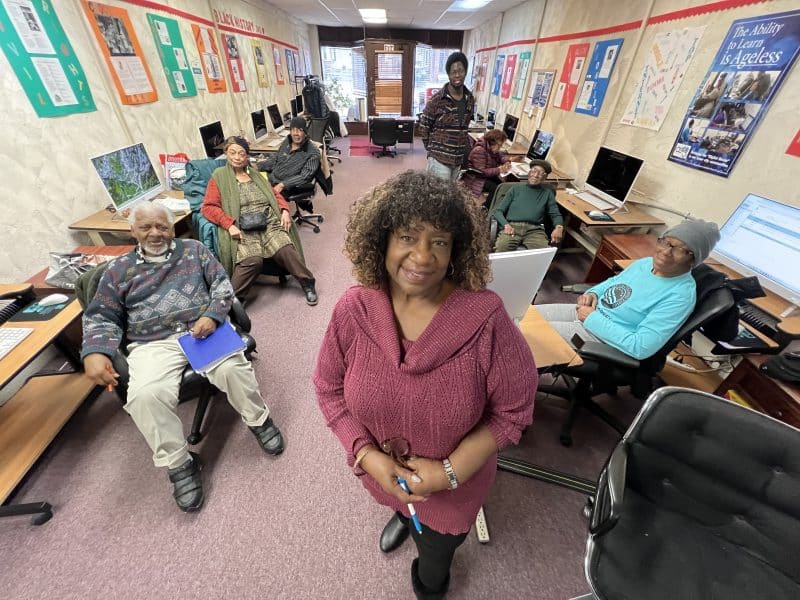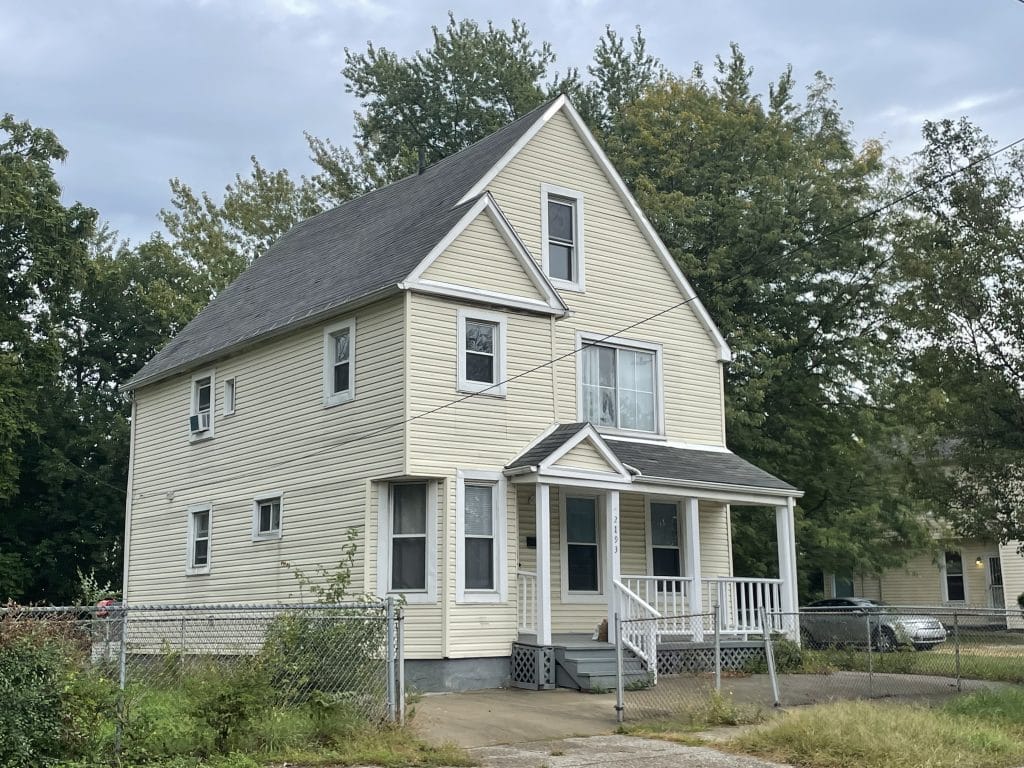
I’ve never owned my own home, but I would love to. I especially want to buy a house in the Central neighborhood, where I grew up and have spent most of my life. But there are a lot of barriers – some related to my personal situation, plus there are not many affordable home ownership options in Central these days.
We worked to investigate paths to affordable home ownership in the neighborhood, and we found that there’s a lack of education about home ownership, there are few programs for lease-to-own or sweat equity contribution programs (like Habitat for Humanity) operating in Central, and the existing housing stock ranges from new and expensive to run-down and costly to fix up.
Now I know more than I did before about making my own path to homeownership, and I’m still hopeful that someday I’ll be able to buy a house in Central, my true home and the community that I love. But it won’t be easy.


Why not Central?
When I look around at what’s happening with affordable homeownership in other neighborhoods, I wonder why we don’t have programs like this in Central.
For example, CHN Housing Partners is building 30 lease-to-own affordable homes in Larchmere and Buckeye. Northwest Neighborhoods CDC is also partnering with CHN and will build 60 new lease-to-purchase homes in Cudell and Detroit Shoreway. Habitat for Humanity is focusing on building 100 homes in the Mt. Pleasant and Buckeye neighborhoods right now, Bob Whitney, their neighborhood planning manager, told me in an email this summer, “Greater Cleveland Habitat has no immediate plans to build in Central,” although they have worked there in the past. And Famicos Foundation, the nonprofit community development organization for Glenville, Hough, and St. Clair Superior, is building Henrietta Homes, its own development of 40 lease-to-purchase homes.
Lease-to-own homes usually give renters credit for each year of renting. The resident is then given a chance to buy the home after 15 years, and that rent payment credit discounts the purchase price of the home. This is usually made possible in part with the help of low-income housing tax credits.
Why aren’t there programs like this in Central? To try to get some answers, we talked with Mike McBride, director of real estate development at Burten Bell Carr, the nonprofit community development organization for Central, Kinsman,and Buckeye. He says his job focuses on housing, but it also looks at development overall since they are working on fostering a comprehensive, 15-minute-city neighborhood. (That’s a neighborhood where all your daily needs, like grocery stores, schools, shopping, parks, etc. are within 15 minutes of home.)
He also said that “public housing is a great source of affordable housing for people that really need housing” and that they want affordable housing in the neighborhood. But, he acknowledges, public housing is “by definition not home ownership.”
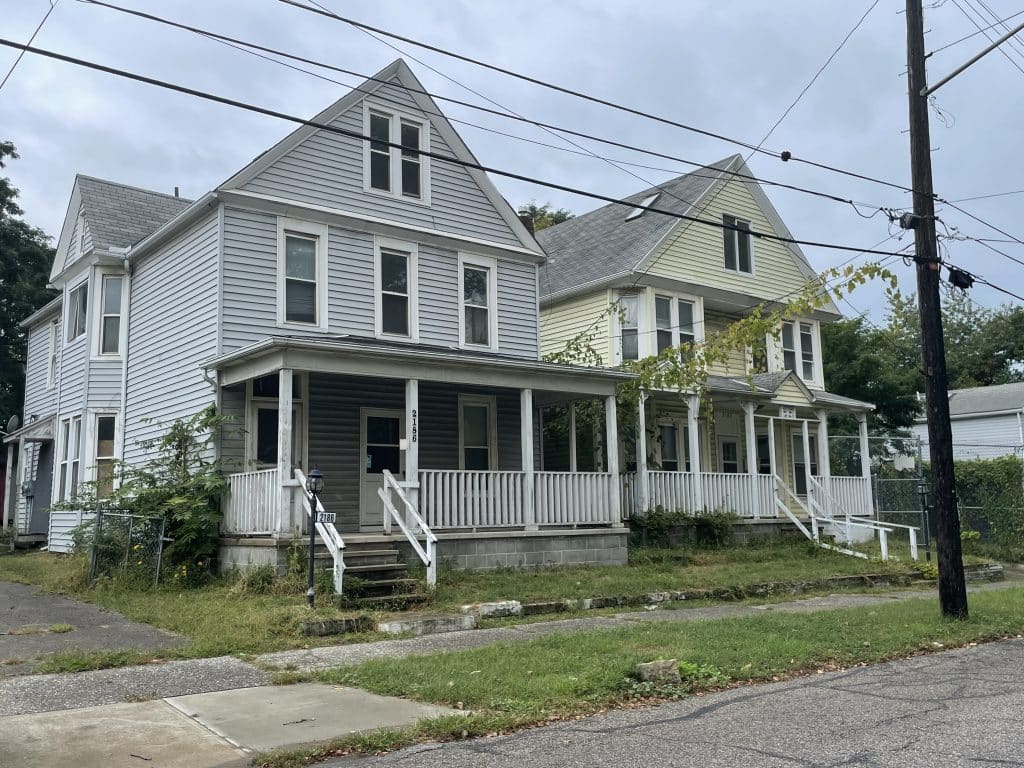
When we asked about vacant homes and the possibilities of turning those into affordable homes, McBride said it’s a challenge. Even if the owner agreed to sell, it usually means a lot of work to get them fixed up. There’s still a gap between what the home purchase/repair would cost and what low-income folks can afford to pay.
“We work with the city and the county land bank and sometimes with banks to fill that [gap],” he said. “It’s a heavy lift, I’ll tell you. It’s hard to buy a vandalized vacant house and then turn it around. We’ve got a couple going on now, but they’re not in the Central neighborhood. If we get more systematic, we can really start cranking ’em out. Then we could be more aggressive, making offers to buy houses like that.” Right now, though, Burten Bell Carr doesn’t have that ability, he says.
McBride didn’t offer any current options for lease-to-purchase opportunities in Central, although he said that many affordable housing units (not all for ownership) have been built in the neighborhood. He encouraged me (and people like me) to get our finances lined up, and he cautioned that even “affordable” lease-to-purchase housing options are likely to cost at least $1000 a month between rent and utilities. Advising on the finances of buying a home isn’t McBride’s job, though. So how does that information reach Central residents and people like me who want to be homeowners in Central?
Learning about homeownership
Like I said, I have never owned a home. I have a disability, and I don’t have a traditional job. I also don’t know a lot about credit, mortgages, and other details of the path to owning a home. I also know there are some assistance programs, like a down payment program from the county, but I don’t know much about them. I want to learn what I need to know.
I’ve heard there are classes for people who want to be homeowners, but I couldn’t find any information about these on the Burten Bell Carr website. When we looked into it, we found other CDCs, like Northwest Neighborhoods (Detroit Shoreway, Cudell), Metro West (Stockyards, Brooklyn Centre, Clark-Fulton), and Famicos (Glenville, Hough, St. Clair-Superior) have lots of information on their websites for people who want to become homeowners. Burten Bell Carr doesn’t.
I emailed Burten Bell Carr to see if they have any classes, and the resident services coordinator, Sharon Spruill, said she’d forward me information about two options in October. But I’m definitely not the only person interested in buying a home in Central, so I’m not sure how this information is getting out to them.
When we looked into home buying classes, here are some options we found:
- CHN Housing Partners offers free classes on Zoom in money management and home ownership. The money management classes (four weeks, one hour at noon each week) cover things like saving, spending, credit scores, and how to build better credit. The home ownership classes (two weeks, Tuesday and Thursday evenings for two hours each) cover information about loans, mortgage payments, home insurance, and what the actual steps are in making a home purchase.
- Benjamin Rose Institute on Aging offers similar free classes in both Spanish and English.Their classes combine the money management information and home buying information into a one-week Monday-Thursday series (two hours each night).
- Some local banks such as Third Federal also offer classes. The classes (four two-hour sessions) cover financial literacy and are followed by a one-on-one meeting with a HUD credit counselor to create an individual plan for a successful path to homeownership. Establishing credit and maintaining good credit is a focus of this program.
Still hoping for my future home
It doesn’t seem right that houses fall apart because their owners aren’t caring for them, while people like me are wanting so much to care for a home of their own. The city is full of vacant houses and lots. Programs like community gardens are nice ways to use some of those lots, but they’re not as good as a property that has a house, a homeowner, and a garden that’s cared for by that owner.
If I can make my dream of owning a home in Central come true, I plan to have my own garden where I’ll grow herbs and vegetables. I would share the extra with my neighbors, reducing our reliance on food pantries, which don’t have a lot of fresh food anyway. I would host neighborhood events – movie nights, and arts and crafts in my garage. I already love my community, but having my own home as a base to build the community up would be even better for all of us.
I’ve been looking at home listings online for more than a decade. I hope I’m finally able to make it happen and permanently return to Central, my true home.
We're celebrating four years of amplifying resident voices from Cleveland's neighborhoods. Will you make a donation to keep our local journalism going?

![Lakewood High School students organize walkout to protest ICE [photos]](https://d41ow8dj78e0j.cloudfront.net/wp-content/uploads/2026/02/12155714/DSC_3775-800x600.jpg)