In its ideal form, art serves as a cultural barometer, reflecting a society’s norms, values and ideologies. Certain types of art can also evoke strong emotions, a tactic that Adolf Hitler employed to influence public opinion and suppress dissent during his murderous reign.
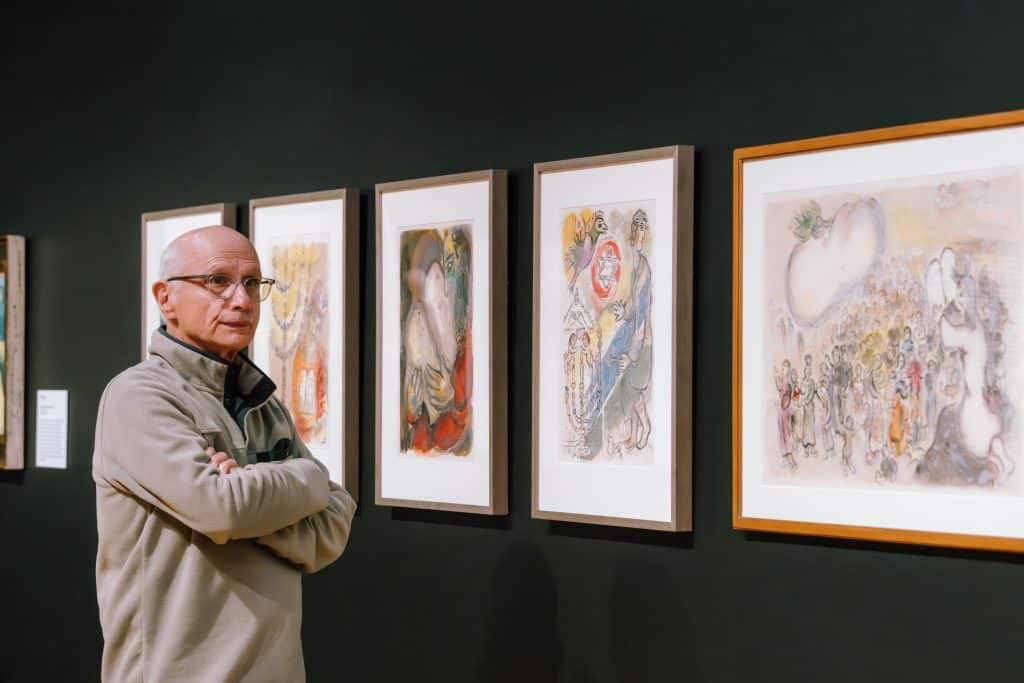
In 1937, the Nazi regime staged a “Degenerate Art” exhibition in Munich, aiming to discredit modern art as morally corrupt. This attack on “unacceptable” expression is the subject of a new collection at Northeast Ohio’s Maltz Museum – “DEGENERATE! Hitler’s War on Modern Art.”
The display features famous works by Kirchner, Kandinsky, Chagall, Grosz and Picasso – all labeled as “degenerate” by Nazi leadership – along with lesser-known creators who similarly suffered under the regime’s prejudices.

“By labeling the artists and their works as lesser and genetically inferior to that of the Aryan art and artists, the Nazi government furthered their indoctrination of the German people to the notion that others within their community were less than themselves,” Maltz officials said in an email. “As an institution that stands against hatred and aims to build bridges of understanding, this exhibition allows us to share how censorship impacts everyone’s freedom and how art and culture can be used as propaganda to meet the needs of a ruling party.”
“Degenerate!” presents art from public and private collections, exploring early 20th-century approaches to art branded by the Nazis as a threat to German culture. Far from traditional portrayals of pastoralism and heroic combat, this new “radical” art centered a fractured populace still reeling from the horrors of World War I.
Whereas avant-garde artists of the Weimar Republic focused on a society’s frailties and fears, Hitler viewed these images as depictions of weakness and even madness. A failed artist, Hitler saw modern art as a product of perverse souls living in a corrupted society.
Taking it further, the Nazis associated such art with physical and mental disabilities, which they linked to racial inferiority. Those who promoted this work – mostly Jews and Bolsheviks – were attempting to undermine German “racial purity.”
“The avant-garde styles rejected by the Nazis challenged conventional ideas and represented a break from traditional norms,” museum officials said. “By condemning these vibrant, new forms of expression, the Nazis sought not only to suppress art, but the progressive thoughts, values, and communities that accompanied it.”

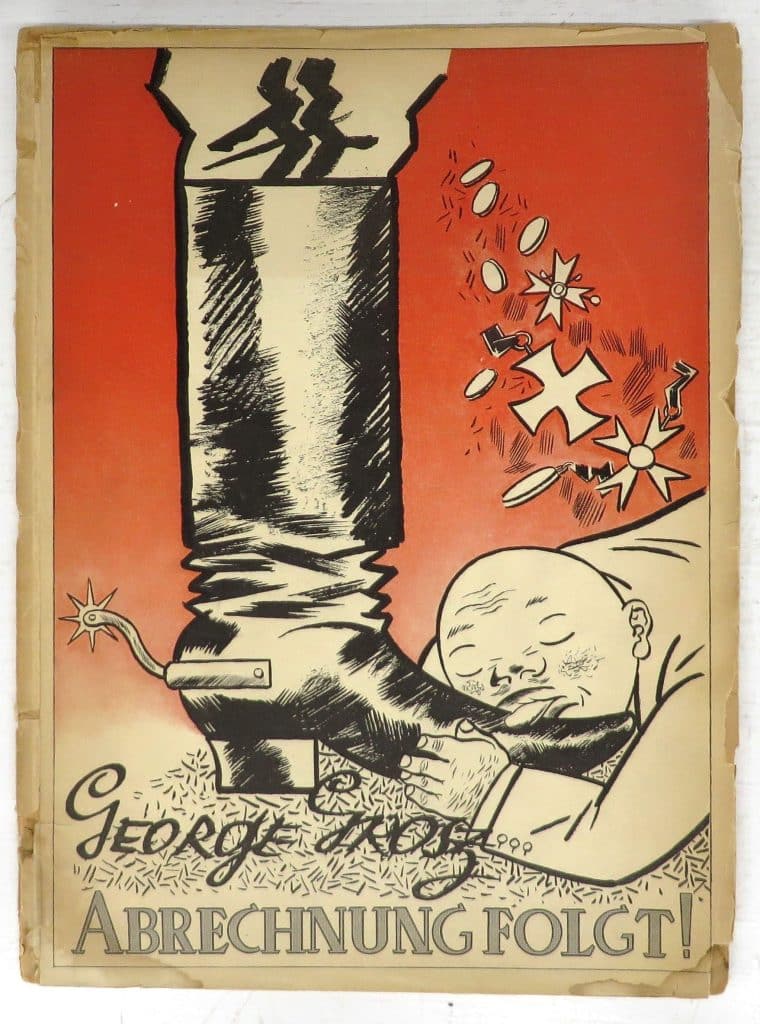
Under the regime, thousands of works of art were confiscated and destroyed. Yet, simply purging art would mean nothing without discrediting it, leading to the Munich show signed off by Hitler himself. The so-called “shame exhibition” included 600 paintings, sculptures, prints and books authored by many well-known modern artists.
Pieces were haphazardly displayed alongside works by patients from mental institutions. Mocking slogans marred the walls nearby – “Nature, as seen by sick minds,” “Madness becomes method” and “Revelation of the Jewish racial soul.”
The Maltz exhibition – created by Jewish Museum Milwaukee – also features the short film, “Art as Propaganda: The Nazi Degenerate Art Exhibit.” Taken together, these findings highlight the dangerous connection between censorship and intolerance, a path that can lead to genocide, said Molly Dubin, chief curator of Jewish Museum Milwaukee.
“It goes back to a picture speaking a thousand words,” said Dubin. “Art is so powerful in how it communicates. How it breaks down barriers around language and historical understanding. Art has the capacity to engage individuals on expressive and sensory levels that resonate across disparate contexts, making it a powerful means of building bridges.”
This extensive purge of what Hitler deemed Entartete Kunst – “degenerate art” – reflects modern attempts to ban books or control how history is taught in schools, Dubin noted.
“We’ve seen in 2023 things like cultures being whitewashed, or minority voices suppressed and ignored,” she said. “So many things about this exhibit speak to vigilance. It’s a cautionary tale that if we don’t remain vigilant, we can fall prey to disinformation.”
While modern art was being looted and destroyed in Europe, the art community in America mostly embraced these movements. Museums displayed works of oppressed artists, a lesson people can learn from even as the specter of fascism haunts democracies worldwide, said Dubin.
“Censorship is not new – it has roots in history,” Dubin said. “Going back to study that history lets us know where we are today, and how we can effect change.”
“Degenerate!” is on view at the Maltz Museum from October 30, 2024, through April 20, 2025.
Keep our local journalism accessible to all
Reader support is crucial as we continue to shed light on underreported neighborhoods in Cleveland. Will you become a monthly member to help us continue to produce news by, for, and with the community?
P.S. Did you like this story? Take our reader survey!