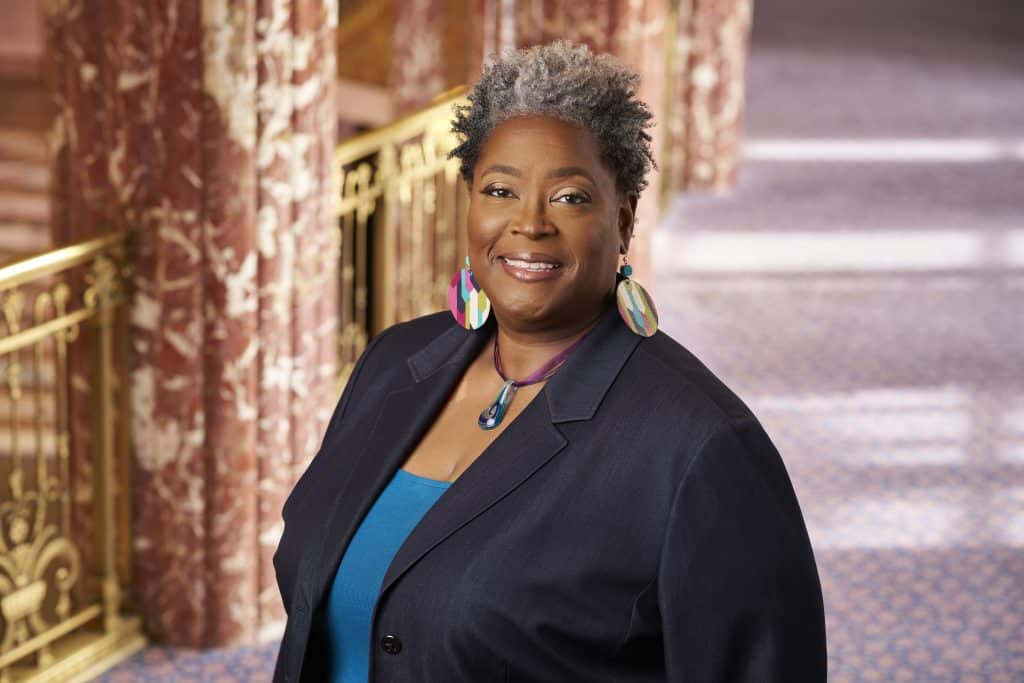
If the Cleveland Orchestra has seemed a little more welcoming of late, you’re not hearing or seeing things. You’re noticing the work of Jejuana Brown, the group’s director of inclusion and community relations.
After nearly three years on the job, Brown is hitting her stride, slowly but surely transforming the institution and its audience to better reflect and serve the region as a whole. Those “Black Panther” shows? The new “Rhythm” series? Both were Brown’s handiwork.
“I have the opportunity to normalize inclusion and make sure that we are the Cleveland Orchestra,” Brown said, stressing the name of the city. “My goal is to make sure we represent Cleveland, that people here feel heard and that they have a good experience when they attend.”

Brown’s arrival in January 2023 marked something of a sea-change. Although the orchestra had long engaged in community outreach – such as by presenting the annual Martin Luther King, Jr. Celebration Concert – her appointment to a newly created position came as a sign of more serious intent, an indication of a desire to grapple with the issue of diversity more vigorously.
That’s exactly what it was. Joan Katz Napoli, vice president of education and community programs, said that for several years before Brown’s appointment – and especially after the murder of George Floyd in 2020 – she and others at the orchestra had engaged in “deep thinking in that area.”
Their conclusion? That they needed to do more, but they needed someone from the outside, someone with deep knowledge of Cleveland but not steeped in the traditions and culture of classical music.
“We realized we didn’t have the expertise ourselves to make an authentic difference,” Katz Napoli said. “We didn’t want to do it just to do it. We wanted to do it right.”
By that standard, Brown was the complete package. She came to the orchestra after several years on staff at Cleveland State University and four years at the Greater Cleveland Partnership, where her most recent title was director of inclusive culture and talent initiatives. She also came aboard with no musical background, unaware of what Katz Napoli called the “history of how we’ve always done things.”
“One of my greatest strengths is I have broad experience,” Brown said. Rather than a negative, her musical inexperience was an asset, a trait she said “enables me to talk to people who’ve never come to the orchestra. I can better represent the message and be an advocate.”
That said, the learning curve was steep, especially in the beginning. Early on, Brown said, no two days were alike as she familiarized herself with orchestral operations, repertoire and terminology.
She also had a lot of people to meet. Although Brown serves in the executive office and reports directly to president and chief executive Andre Gremillet, she liaises with every department, weighing in on everything from marketing, fundraising and personnel matters to auditioning and programming. She even engages with music director Franz Welser-Most. She’s also in close contact with the orchestra’s Community Engagement Committee.
“We felt it was important for everyone to have access to her,” Katz Napoli said. “She’s been a great asset to every department. She’s a great sounding board, a great collaborator and a great thought leader. She asks the hard questions.”
Some of Brown’s most successful efforts to date have also been her most public. Already, she has helped the orchestra launch a free Hispanic Heritage Month concert, arranged for recital of music by the women of Chicago’s Black Renaissance, designed a “Rhythm” subscription series featuring minority artists and composers and organized two performances of the film “Black Panther” in concert, along with a related exhibition.
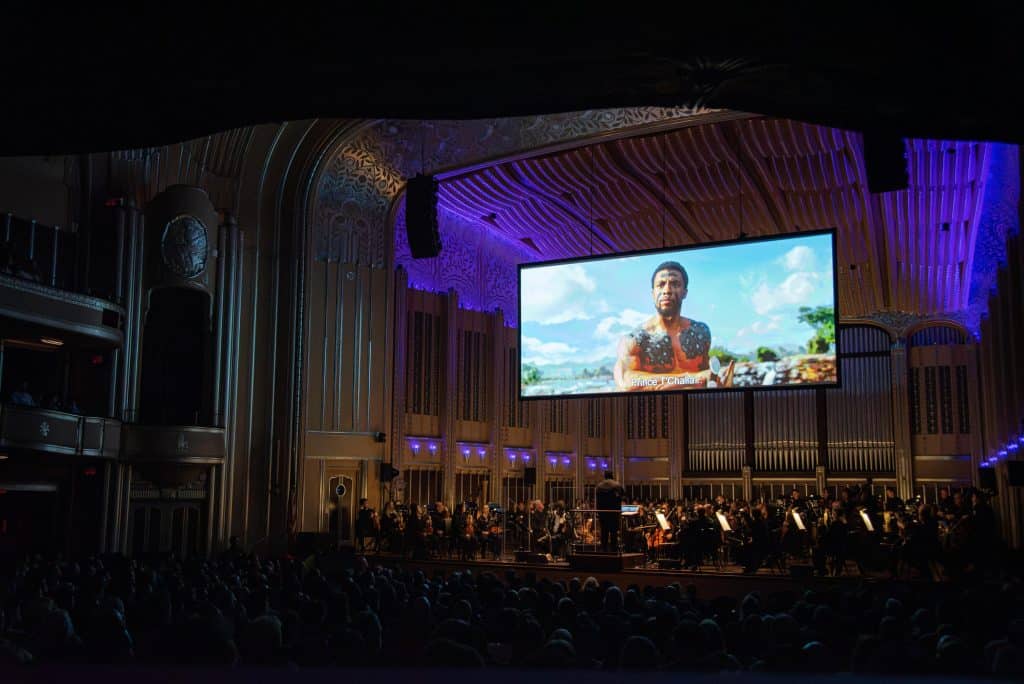
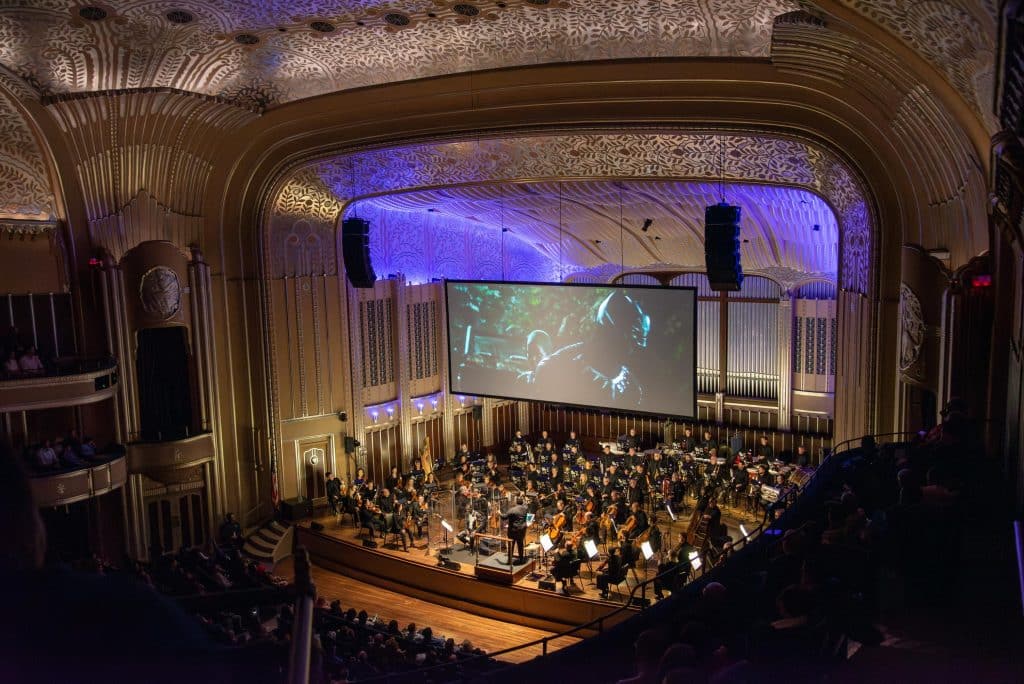
A sizable majority of those at “Black Panther” were new to the Cleveland Orchestra. “It was a completely different kind of energy in the hall, and all of that was [Brown],” Katz Napoli said, noting that such offerings aren’t just marketing ploys. “They reinforce that inclusion is a core value behind everything we do.”
Some of Brown’s most important work, meanwhile, has been or is still taking place behind the scenes. She’s kicked off or joined efforts that have led the orchestra to expand where it posts job openings, hire minority vendors and screen auditioners. On occasion, her presence has helped the development team connect with patrons.
“There are a lot of things where I may instigate something or help a partner think about how we might do something differently,” Brown said.
In many sectors, jobs like Brown’s have been eliminated, cut as part of a federal push against diversity, equity and inclusion. Even Brown has seen her title altered from the original, director of diversity and inclusion.
The nature of her work, though, and the need for it, remain unchanged. Many staffers see an advisor like Brown as not only central to the orchestra’s mission but critical to its long-term survival. Without overtures to new listeners, Brown said, “You’re going to see the public continue to say, ‘We don’t know what this is.’”
Keep our local journalism accessible to all
Reader support is crucial as we continue to shed light on underreported neighborhoods in Cleveland. Will you become a monthly member to help us continue to produce news by, for, and with the community?
P.S. Did you like this story? Take our reader survey!