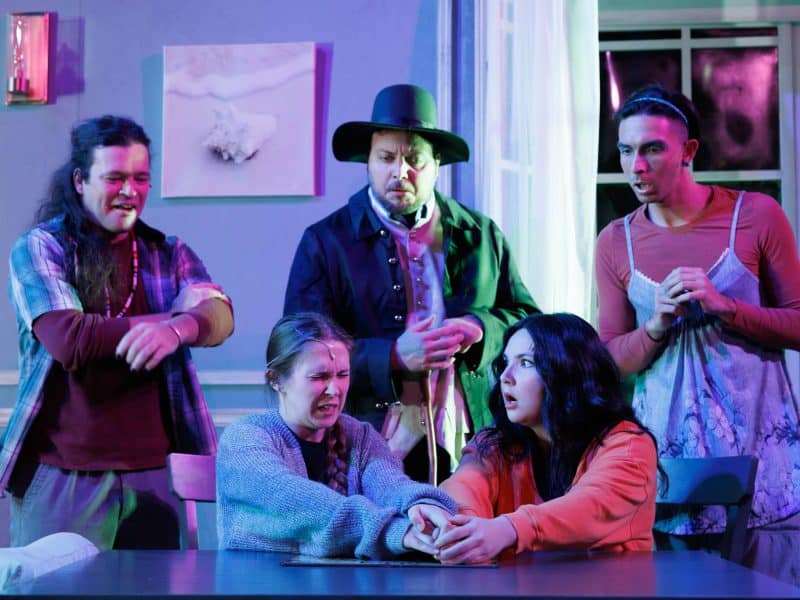
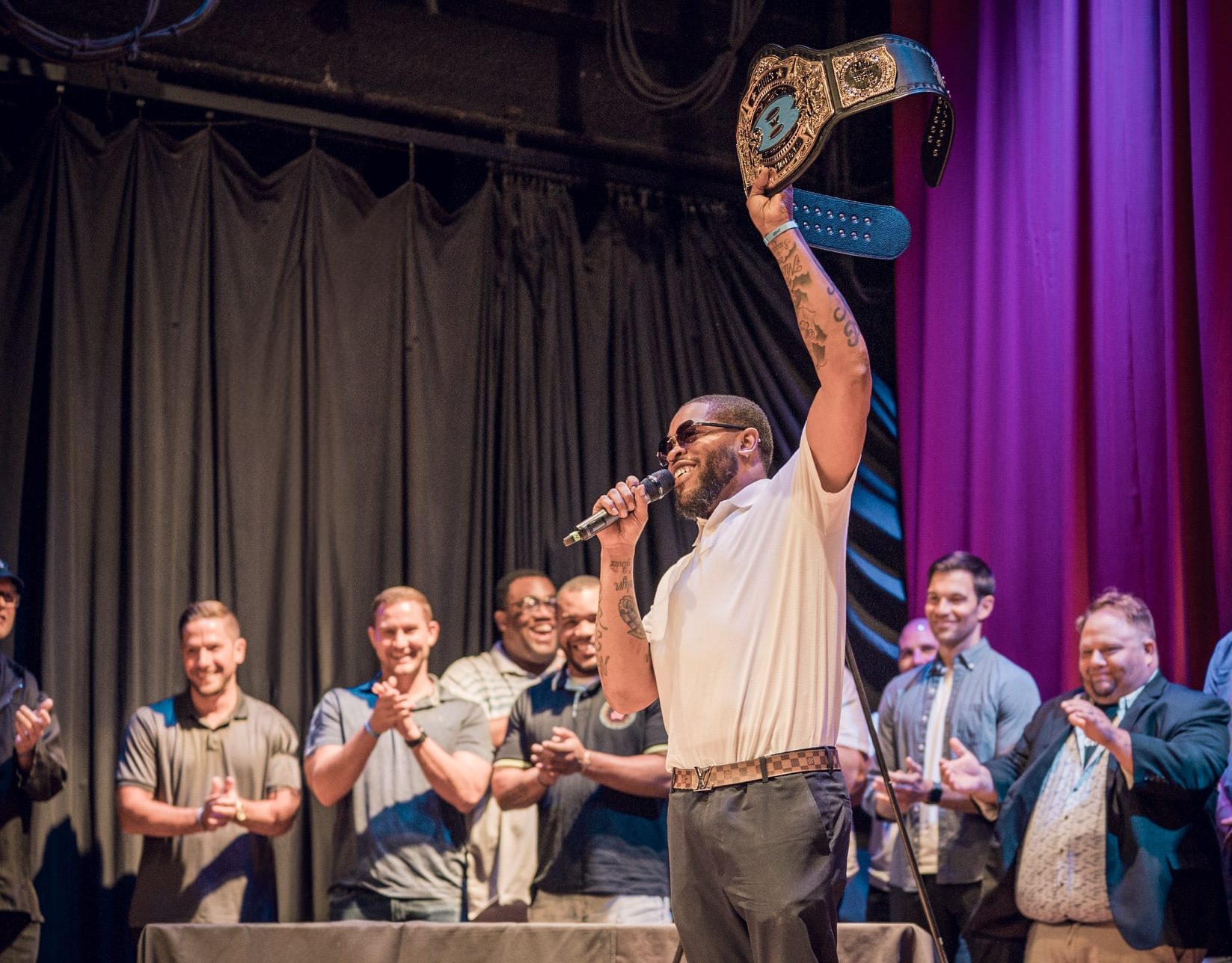
of Blues this July. [Photo courtesy of Raymond Williams]
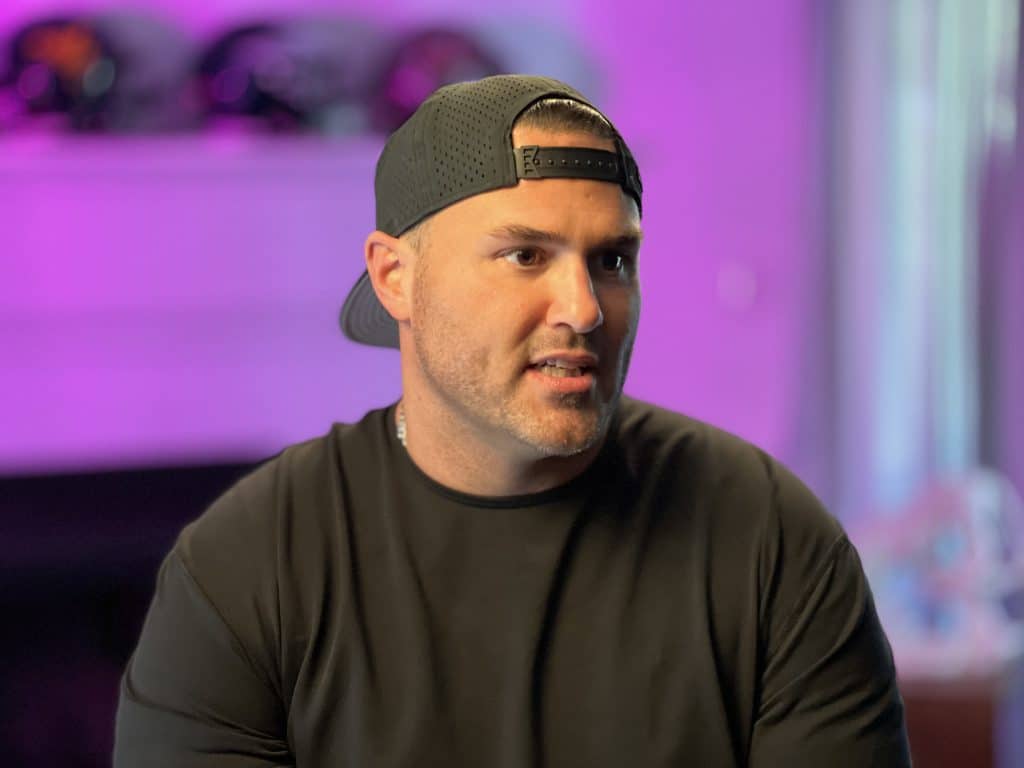
process for Jim McCarthy, Jr. and his teammates, he says {Photo courtesy of Jim McCarthy]
Jim McCarthy, Jr. thinks back on his football days at Benedictine High School with a mixture of joy and grief. Fond recollections of two hard-fought state championship victories are shadowed by a nightmarish tragedy.
This bittersweet dichotomy is the subject of “Mr. Football,” a documentary covering the 2004 football season at Benedictine, the last of three consecutive title game appearances for the Cleveland Catholic all-boys high school. That year, the Bengals notched their second state championship in three seasons, rallying from a fateful night that turned gridiron heroes into local pariahs.
In April 2004 – just months after lifting the first trophy of Benedictine’s title run – standouts Raymond Williams and John Huddleston were charged in the shooting death of teammate Lorenzo Hunter. Prosecutors said the trio, armed with fake guns, tried to rob drug dealer Rodney Roberts, who gunned down Hunter in self-defense.

Williams and Huddleston eventually received five years’ probation for their part in the shooting, a sentence that did not change the team’s tarnished reputation in the eyes of the community, notes McCarthy.
“In a matter of one night, we became the villains of the city,” says McCarthy, whose film was released on Aug. 26. “We were labeled as criminals and bad kids. We felt the only way to respond to that, to move on, was to do it on the football field.”
McCarthy named his documentary after the award given to Ohio’s best high school football player. Benedictine’s recipient of that award was Williams, a bruising running back who earned the honor in 2003. As the film’s centerpiece, Williams shares his journey from regret to healing – a path that took decades and had a profound impact on everyone connected to the team.
McCarthy, a two-way lineman for those title-winning teams, had been thinking about filming the story for 20 years. The Parma Heights native majored in journalism with a focus on promotional communications at Cleveland State University, moving onto a marketing career that includes his own firm, Ten10 Design.
McCarthy’s production and design experience readied him for what became a cathartic endeavor. A surprising source of inspiration came from former Browns running back Earnest Byner, who shared his personal struggles with McCarthy. Byner’s off-field agony after “The Fumble” – a play that kept the Browns from their first-ever Super Bowl – resonated deeply with McCarthy.
“I’ve been plotting this in my head for two decades, and then this lightbulb went off,” McCarthy says. “I needed to do this for myself, my teammates and the coaches and families involved. We had to come to terms with what happened, and bring redemption for the guys involved.”
A delicate matter
McCarthy and co-director Shawn Rech conducted about 30 interviews over three-plus years, sources that included former Ohio State coach Jim Tressel, Cleveland sportswriter Terry Pluto, and Ted Ginn, Jr., a former NFL player and close friend of Williams.
Benedictine players and coaches from the mid-aughts are heavily featured as well. McCarthy’s project wouldn’t have gone forward without their involvement, he says.
“We talked about if it’s worth ripping off the Band-Aid,” says McCarthy. “Here are the negatives, but what are the positive outcomes? If we felt like we were on track to reach our goals, we wanted to move forward.”
McCarthy was careful not to sensationalize the robbery attempt and shooting, which is told in the film through a brief reenactment. Otherwise, “Mr. Football” is about second chances – that first cleansing moment came when Benedictine returned to the state final in fall 2004. Winning the game honored Hunter’s memory and offered release for the young men who had their innocence shattered.
“It felt like we had something bottling up inside of us all season long,” says McCarthy. “We didn’t have an outlet to get all of our feelings out, so that state championship was the point where we could let it all burst out onto the field. It felt like the final chapter to our tragic story, and we had this incredible opportunity to end it on an inspiring note.”
Releasing the documentary gave McCarthy closure, or at least the chance to confront a traumatic period of his youth. While Raymond Williams never returned to the team as a player, he is now a youth football coach and father of two. Although McCarthy hopes to spread Williams’ story to high schools nationwide, simply talking about those roller-coaster years has aided the healing process, he adds.
“Talking about what happened fueled me to go to the next interview,” McCarthy says. “It’s very hard, but it was like I was getting to know Lorenzo (Hunter) again. It’s about having to get over tough hurdles to encounter some beautiful things.”
“Mr. Football” is available through AppleTV, Amazon Prime, GoogleTV, YouTubeTV, and Fandango Home.
Keep our local journalism accessible to all
Reader support is crucial as we continue to shed light on underreported neighborhoods in Cleveland. Will you become a monthly member to help us continue to produce news by, for, and with the community?
P.S. Did you like this story? Take our reader survey!