On January 6, Cleveland City Council introduced Emergency Ordinance No. 43-2025, proposing the transformation of the city’s recreation centers into trauma-informed resource hubs. The ordinance aims to expand programs and activities that prevent violence, support youth and families in addressing trauma and toxic stress, and create more opportunities for a better quality of life.
At first glance, the ordinance appears to introduce a new initiative. However, after speaking with Chief for Youth & Family Success Sonya Pryor-Jones and Director of Parks and Recreation Alexandria Nichols, I learned that this proposal is not a new initiative but rather a continuation of services first established under Emergency Ordinance 281-2021. That legislation laid the foundation for reimagining Cleveland’s recreation centers as hubs for youth and family support, ensuring long-term investment in out-of-school-time programs and crisis assistance.
“This ordinance is a standardized request that allows us to use funds allocated each budget year to continue providing out-of-school-time programs and crisis support for youth in recreation centers and other community spaces,” said Pryor-Jones. “We’re not doing anything new, but we’re remaining consistent and steadfast in our efforts to collaborate with recreation and our partners to provide these services.”

Nichols echoed this sentiment, emphasizing the ongoing collaboration: “It’s really a continuation of existing programs, supporting collaboration between divisions to meet the needs of the community,” she explained. “The work at the Neighborhood Recreation and Resource Centers is a joint effort among many city departments, with the Office of Prevention, Intervention, and Opportunity and Parks and Recreation working together to provide a broad array of programs and services that meet the needs of our residents.”
Continued Community Engagement
This ongoing commitment to youth and family support has already reshaped Cleveland’s recreation centers into Neighborhood Resource and Recreation Centers. To date, all operating recreation centers in Cleveland have undergone this transformation. These centers now offer expanded programs and employ social support specialists who are trained in youth development, and social workers who are available to assist anyone in need of support.
Jones highlighted the importance of this addition, saying, “What’s really great is that it’s similar to a classroom teacher who needs to fill multiple roles like nurse, doctor, and more. Our recreation staff often face similar demands. The addition of social support specialists provides a dedicated, full-time staff person to address more complex issues when individuals walk into a center needing extra help.”
In addition, all recreation staff have been trained in trauma-informed care practices, equipping them to provide better support to those who may be dealing with trauma or toxic stress.
Joy Whitlow is a youth and education advocate and mentor with over 20 years of experience working with youth in public and private schools throughout Greater Cleveland and surrounding areas. She believes recreation centers are key in offering not just activities for youth, but a safe space for families to heal, grow, and access necessary support.
“While trauma-informed care is critical, mentorship plays a key role in youth development. Over the past two years as a mentor, I’ve witnessed how these relationships offer stability and guidance for youth facing challenges. The recreation centers offer much-needed resources from academic support to mental health services and are foundational in empowering youth to envision brighter futures. Cleveland’s recreation centers provide more than a place to hang out; they ensure that families have access to the support and opportunities necessary for growth and success.”
Echoing this sentiment, Nichols acknowledged that some programs at the recreation centers do offer mentorship opportunities for young people. She noted that this is an area she plans to learn more about as she continues in her role.
Support Access & Contact Information
The city’s continued commitment to youth and family support is strengthened by partnerships with out-of-school-time and youth-serving organizations, ensuring high-quality opportunities for youth year-round. Through efforts like Summer Soundtrack, programs are coordinated by neighborhood and age, expanding summer participation from 7,000 to 11,000 youth last year, according to Pryor-Jones.
“Our focus is both prevention and intervention through services and opportunities,” she explained. On the prevention side, the city funds programs like After School All Stars, Reach for Success, and Esport Scholars, offering engaging activities that help youth develop leadership skills. Additionally, partnerships with Youth Opportunities Unlimited (YOU) and Cuyahoga County provide over 200 Cleveland youth with paid summer jobs and career development support.
On the intervention side, social support specialists collaborate with organizations like Say Yes to assist families with basic needs and quality-of-life challenges. In times of crisis, they work alongside Murtis Taylor, council members, and community groups to provide immediate support and mental health resources to impacted neighborhoods. Since 2022, social support specialists have assisted over 5,000 residents, with more than 50% being youth under the age of 18.
Social support specialists are available Monday through Friday, with occasional weekend hours for special events or activities. If individuals are unable to visit a recreation center during regular hours or if a support specialist is unavailable, they can still access assistance by calling the team at 216-664-2223.
Supporting Cleveland’s Youth: The Frederick Douglass Rec Center’s Impact
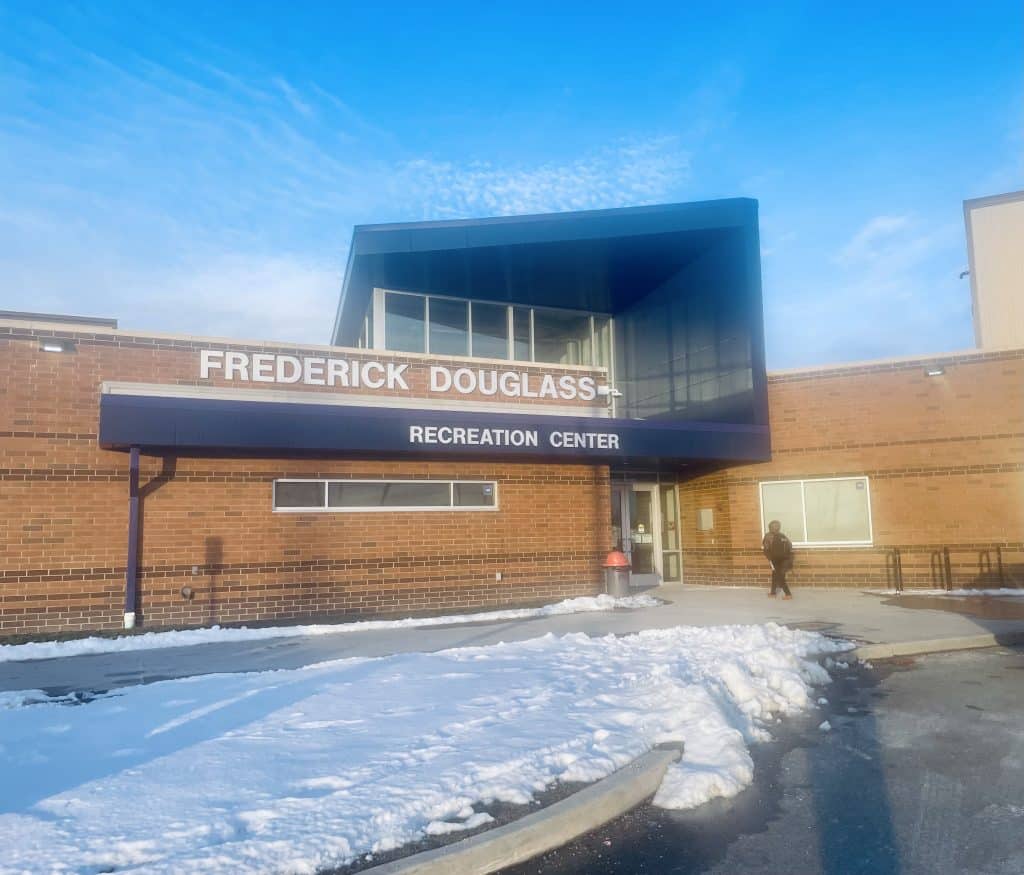
While these citywide programs play a key role in supporting youth and families, it’s at local recreation centers like the Frederick Douglass Rec. Center where the changes are most visible. I had the chance to visit the center and speak with Larry Wilcox, the rec center manager, to see firsthand how these programs are making an impact. Talking to Wilcox, you can see through his smile and interactions with the staff and youth that he truly enjoys the work he does. He has been with the City Recreation Department for seven years, beginning as an instructor/coach/mentor. After serving at the Collinwood Rec. Center, he transferred to Glenville Rec. Center before taking the opportunity to open the Frederick Douglass Rec. Center.
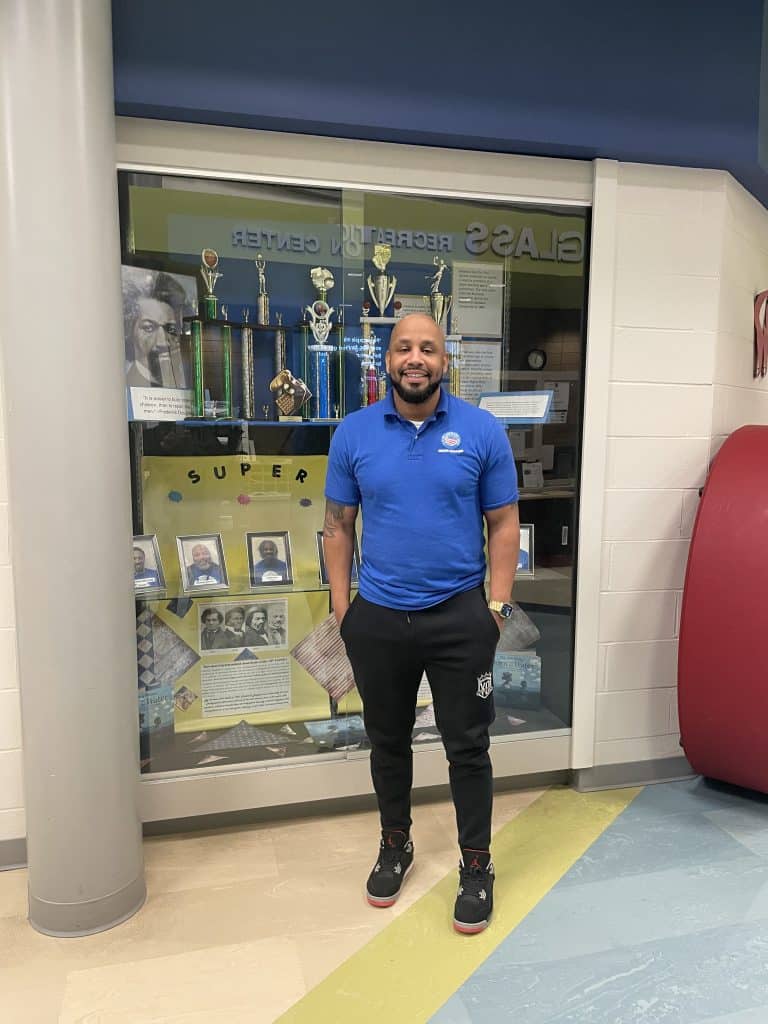
Wilcox shared his excitement about the growing participation in the center’s programs. “It is very encouraging to see so many people coming in and taking advantage of the programs and resources.” With nearly 200 people visiting daily, he hopes the number of youth attending programming will continue to grow.
“I encourage everyone to just come in because you can’t get the full experience unless you’re here,” he said.
A big part of this success is the trust the staff builds with the youth. “We’re like uncles, aunties, and parents here,” Wilcox explained. “Once the kids trust us, they gravitate to the center and our programs. They know we care, and that makes all the difference.”
He also highlighted how the integration of trauma-informed care and social support specialists has taken the center to another level. “We’ve introduced a wide range of programs, from SAT/ACT classes and GED courses to fitness, coding, Cleveland E-Sports, and cooking classes. This is in addition to mental health support and connections to resources for housing, food, and clothing,” he explained. The addition of social service support specialists has been crucial in connecting people with vital resources, especially during crises. “Our social support specialists act as intermediaries, helping patrons navigate services from crisis management to everyday needs,” Wilcox added.
One impactful example he shared was how the social support team helped a young patron in need of a coat and shoes. “We got him the supplies he needed, all through referrals and community resources. It was rewarding to see how we could make a difference,” Wilcox said.
The center also fosters community engagement by offering programs for all ages, from line dancing and water aerobics for seniors to fitness classes and activities for youth. “It’s about keeping people active and engaged at every stage of life,” Wilcox said. “These programs help create a sense of belonging and promote well-being.”
The center has also embraced outdoor activities like hiking and making s’mores. “Getting out in nature is so important for mental health, especially in today’s world,” Wilcox said. The center has also organized family outings to sports events, thanks to a generous donation from the Cleveland Cavaliers. “Collinwood took 100 people to a game, and Frederick Douglass is scheduled for March 27th,” he shared with excitement. “It’s a community event; parents, kids, grandparents, uncles, and aunties are all welcomed to attend.”
Reflecting on the transformation, Wilcox said, “One of the biggest benefits of having these facilities in the city of Cleveland, especially with free access, is how many people can take advantage of them. Not many cities offer free recreation and programming where you can earn certifications in billing and coding or learn to cook healthy meals, things you’d normally have to pay for.”
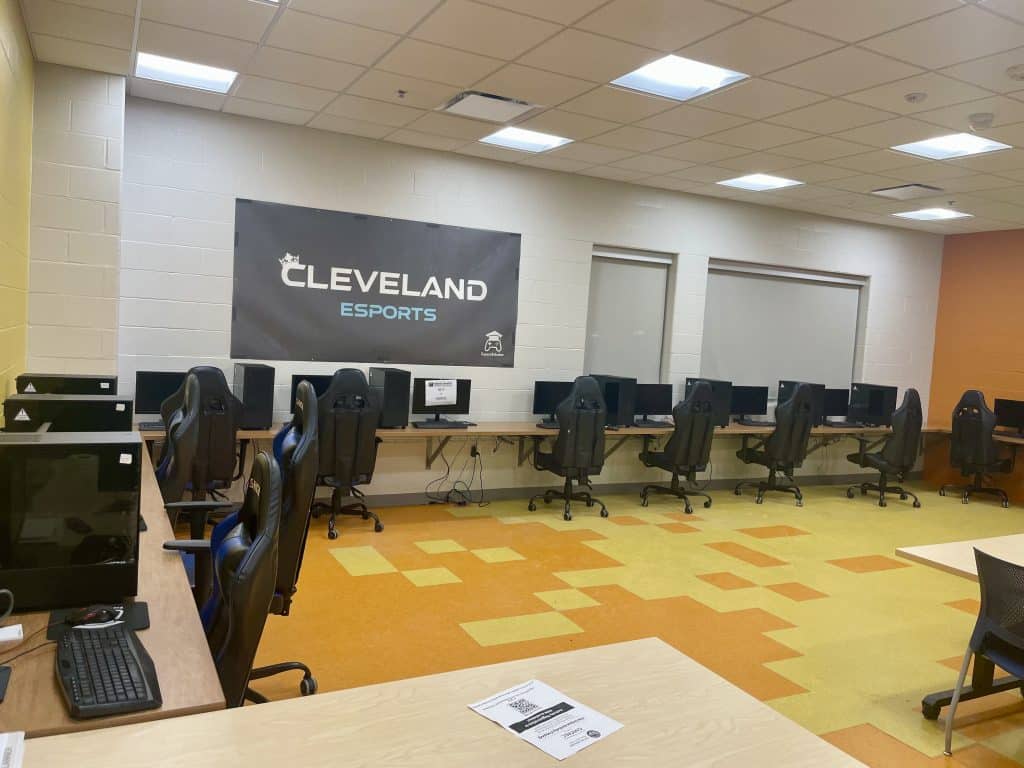

He continued, “It’s something to be proud of knowing that someone can earn a free certification through the rec center and use it to build a career in coding or another field as an adult. I grew up in these communities and was a rec kid myself. Seeing the transformation since the ’90s has made a huge difference, providing opportunities for prevention and intervention for youth and young adults.”
Wilcox is optimistic about the future of the center, stating that they have everything they need to support the community.
The Frederick Douglass Recreation and Resource Center is located at 15401 Miles Ave and is open Monday through Friday from 12:00 PM to 7:30 PM and Saturdays from 10:00 AM to 5:30 PM. You can find more information about this center and others by visiting the City of Cleveland website, tuning in to TV20, or simply stopping by your local Recreation and Resource Center.
Challenges
While centers like the Frederick Douglass Rec Center showcase the positive impact of these initiatives, the city faces ongoing challenges in maintaining and expanding such transformative programs. Pryor-Jones acknowledged that “We continue to need additional financial investments to support and sustain our activities.”
Another challenge is effectively marketing these opportunities to youth. “We need to find more creative ways to get the word out about opportunities,” she added. Still, the city remains committed to keeping recreation centers safe and supportive spaces for youth and families. “We look forward to the passage of this legislation so we can continue providing these much-needed opportunities, knowing that youth spend over 80% of their time outside the traditional classroom,” Pryor-Jones emphasized.
Though there are challenges to face, the city’s unwavering commitment to these programs ensures that these transformative efforts will keep growing and evolving.
Looking Ahead
As the city continues to build on the momentum of these transformative programs, future efforts are already underway to expand opportunities. Nichols noted that a key part of the city’s planning includes a 15-year master plan for Parks and Recreation Services, which will focus on growing both outdoor and indoor offerings.
“Long-term, our goal is to provide opportunities that prevent violence, offer intervention for those at risk, and create pathways for residents to thrive,” she said. This master plan will ensure that trauma-informed care continues to be a central focus in all new developments, from park designs to recreational services.
Next Steps
The ordinance is currently progressing through the review process, with plans to be placed on the committee agenda soon. Once presented to the Cleveland City Council, final questions will be addressed, and the legislation will move toward a vote. For the most current updates on the ordinance, residents can visit the City of Cleveland’s website or contact their local representatives directly.
We're celebrating four years of amplifying resident voices from Cleveland's neighborhoods. Will you make a donation to keep our local journalism going?