The Land welcomes op-ed submissions from community members; learn more here about how to submit yours for consideration.
When I brought my family from Afghanistan to the United States in 2019, my son – who was 8 at the time – was confused. In Kabul, where I worked as a civil engineer after a few years helping NATO allies and the Afghan government, we had a beautiful home. We left most of what we owned behind, along with all our friends and extended family. My boy didn’t understand why.
Then, in August 2021, the Afghan government fell to the Taliban. People fled for their lives. Some died trying to escape.

“Now you know why we came here,” I told my son.
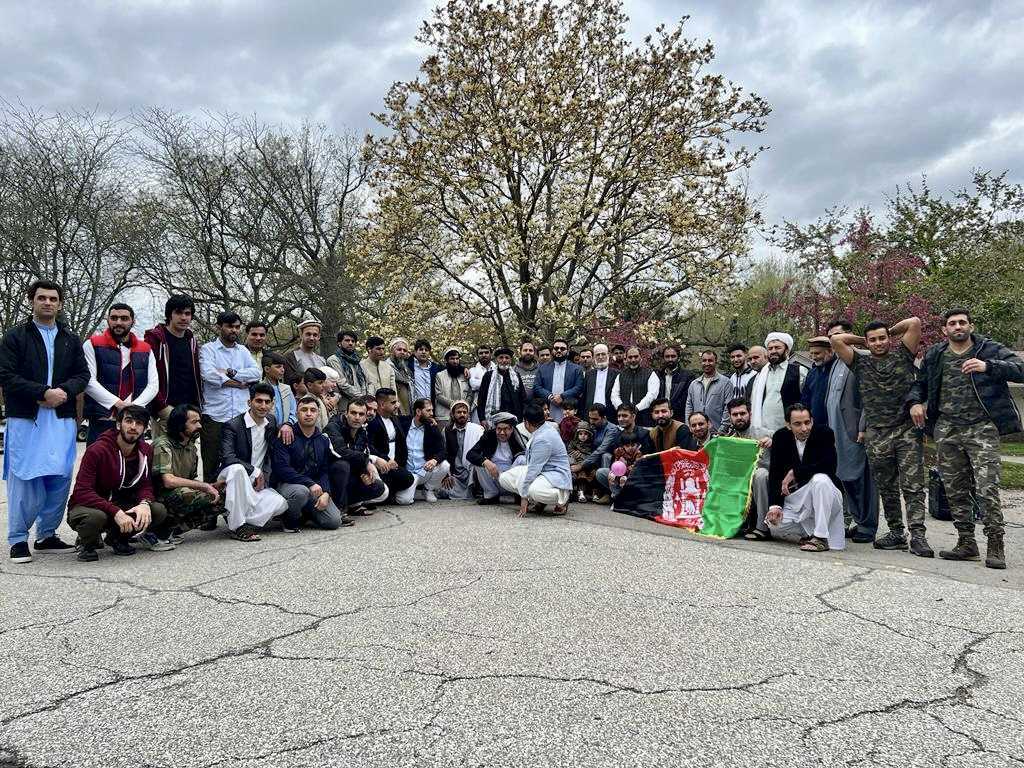
In late August 2021, 124,000 Afghans were airlifted from Kabul thanks to the heroic efforts of those service members who had lived, fought, and worked alongside their Afghan counterparts. Greater Cleveland’s Afghan community, which numbered about 30 families in early 2021, ballooned to over 1,000 people.
Since then, the new arrivals have made lives here. They’ve bought houses, started businesses, gotten married, had children, and imagined whole futures for themselves in Cleveland.
Mina and her family, for example, arrived in Cleveland in 2016. She graduated with honors from high school and was a member of the ROTC. She is now a student at CSU studying biology and working part time for the Cleveland Clinic. Meanwhile, Bibi and her family arrived in Cleveland in 2017. In July of 2021, the family traveled back to Afghanistan for a wedding and were trapped in the country when the Taliban took over. After five months they were finally able to escape by crossing the border and flying back home. Bibi now works providing support to Afghan women learning English and is expecting her first child to be born in the coming month. (Names have been changed to protect the newcomers’ loved ones in Afghanistan.)
Everything they’ve built here is now in danger.
Time is running out for the Afghans who were lucky enough to board a plane out of Kabul in 2021. Afghans who didn’t already have a special immigrant visa or green card when they escaped Afghanistan were granted humanitarian parole visas allowing them to stay in the U.S. up to two years while their applications for long-term visas went through the State Department. While their temporary status has recently been extended, almost none of our new Afghan neighbors have received the long-term visas they applied for. Congress needs to act.
Afghans who helped Americans aren’t safe in Afghanistan
U.S. Citizenship and Immigration Services was surprised and overwhelmed by the Kabul airlift, and in the year and half since, it hasn’t caught up. More than 70,000 Afghans came to the U.S. between August and November 2021, according to the Congressional Research Service. The overwhelming majority of them were granted parolee status by the U.S. government. For those unable to get on a flight, options were even slimmer: Fewer than 2% of humanitarian parole applications filed on behalf of Afghans still in their home country have been granted.
Afghanistan is not safe for anyone who worked with the Americans between 2001 and 2021, or any of their loved ones. Even though the Taliban promised amnesty for their old enemies after they took Kabul, a New York Times investigation found nearly 500 former Afghan government and military officials had been murdered. People facing deportation are already making plans to flee Afghanistan again by fleeing to neighboring Iran or Pakistan, where they would have to live as undocumented immigrants.
For Afghan women living in America, the stakes are especially high. After the Taliban took Kabul, they slowly began reinstituting the strict gender roles they enforced when they were in power in the 1990s. Urban women who embraced public life, pursuing an education and establishing careers, were forced to stay indoors, leave their jobs, and drop out of high school and university. Escaping to the United States gave them another chance to build lives outside their families. If they are forced to return, I fear some could fall victim to despair and make tragic choices.
Congress can fix this
Congress has the power to protect them. So why hasn’t it?
Last year, advocates fought to pass the Afghan Adjustment Act, which would provide a path to citizenship for the U.S. allies who came to America in the 2021 air lift. The bill, which had bipartisan sponsorship, was modeled on the system devised for U.S. allies in the Vietnam War.
But Republicans like Sen. Chuck Grassley blocked the bill, arguing that Afghan refugees weren’t sufficiently vetted to ensure they weren’t safety threats. That’s despite the fact that, according to conservative-leaning think tank the Cato Institute, an American has about a one in 1 billion annual chance of being hurt in a terrorist attack by a refugee, and a one in 4 billion chance of being killed.
In March 2022, the State Department announced that any Afghans already in America would have temporary protected status for 18 months.. A few days ago, the Biden administration said it would extend this humanitarian protection for two more years, but this executive action pushes the problem past the 2024 election, when taking more permanent Congressional action could be even more politically complicated.
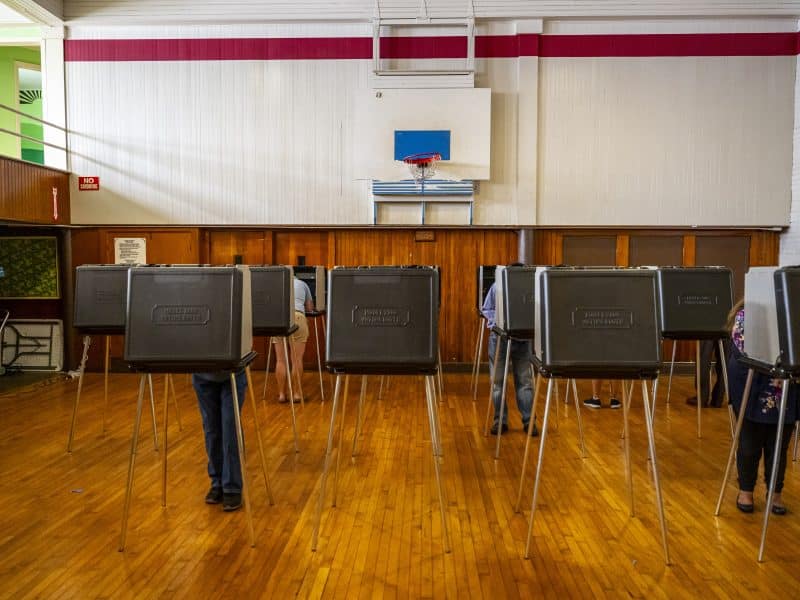
The American government can do more to help families like mine that put our safety on the line to help American troops, but politicians won’t take action unless they know voters care what happens to us. Ordinary Ohioans can help save our lives by contacting congressional representatives and senators and telling them to pass the Afghan Adjustment Act before Afghans’ temporary protected status expires.
We’re grateful that the people of Greater Cleveland have taken us in and helped us get on our feet here in America. We hope you’ll tell your political representatives to let us stay.
Learn more about the work of Refugee Response here. The Land welcomes op-ed submissions from community members; please review our guidelines here.
Keep our local journalism accessible to all
Reader support is crucial as we continue to shed light on underreported neighborhoods in Cleveland. Will you become a monthly member to help us continue to produce news by, for, and with the community?
P.S. Did you like this story? Take our reader survey!