20 years after ‘Foiled,’ Blue October’s Justin Furstenfeld hears the music differently
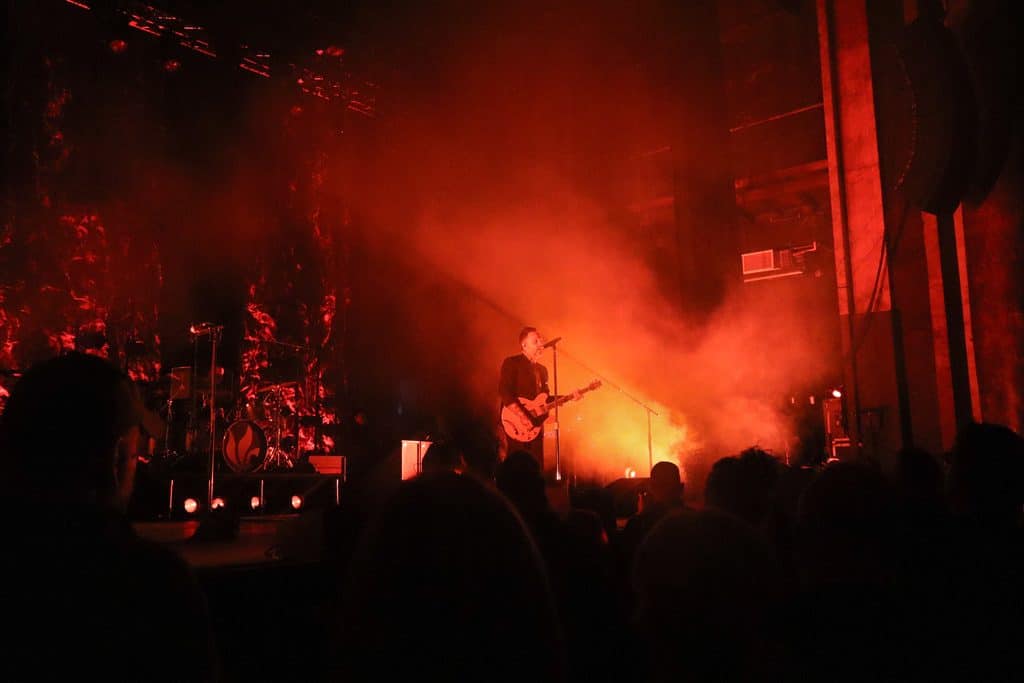
Long lines stretched outside the Agora Theatre on a chilly Cleveland night on Nov. 8 as fans gathered for Blue October’s sold-out show, part of the band’s tour celebrating the 20th anniversary of its 2006 album, “Foiled.”
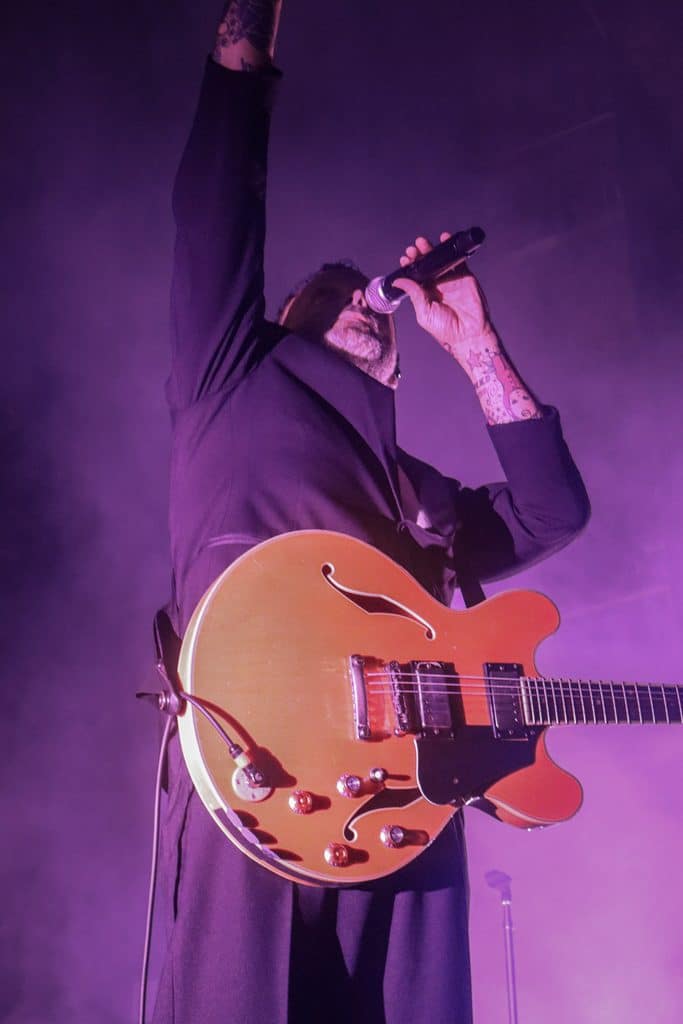
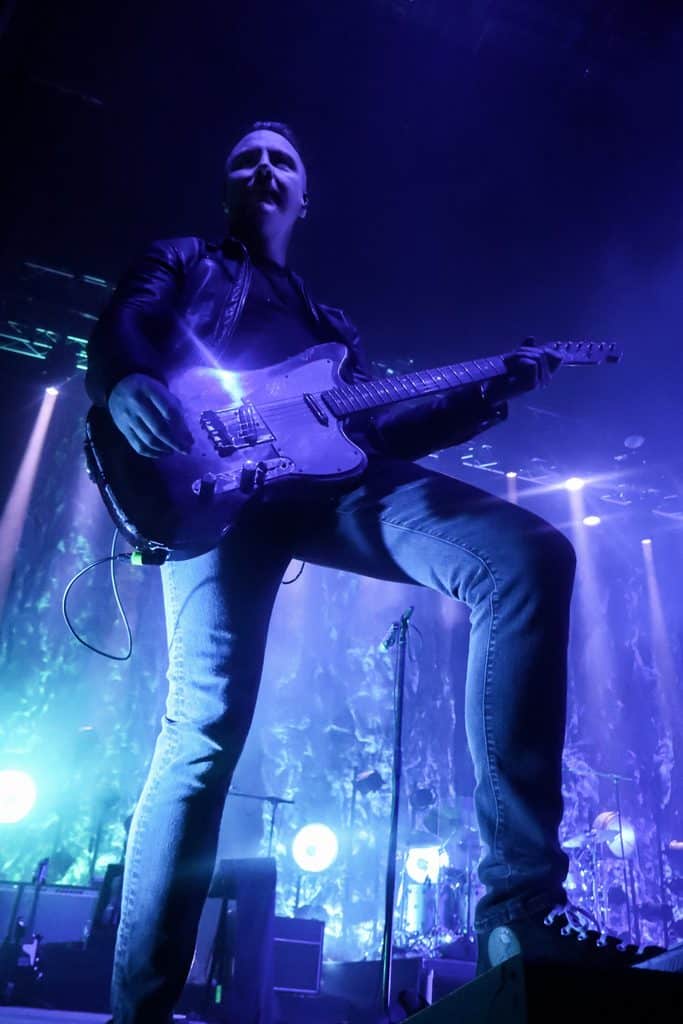
Inside, the crowd came alive when the band launched into “Into the Ocean,” one of the songs that helped make the album a defining release for Blue October fans. Frontman Justin Furstenfeld moved toward the front of the stage, leaning down toward the audience as blue light and haze filled the room, bringing the performance closer to the fans gathered below.
The excitement continued after “Hate Me.” A woman standing nearby remarked that the album only gets better as it goes on, a sentiment that seemed to capture the anticipation in the room as the band worked through the record.
For Furstenfeld, revisiting the album means returning to a period of his life that feels both distant and familiar. The songs were written during a time when depression, addiction and self-destruction were intertwined with the creative process. Now, 15 years sober, he hears them differently.
In an interview ahead of the Cleveland show, Furstenfeld said the band never really got the opportunity to tour behind “Foiled” when it was released. The album became one of the band’s biggest successes, but repeated personal emergencies kept him off the road.
Twenty years later, the band is performing the record in its entirety.
“It’s quite the trip when you’re sober for 15 years and you love your life and you’re no longer this vulnerable, believing, sad boy,” Furstenfeld said.
The distance has changed his relationship with the songs. Instead of hearing them only as reflections of a difficult period, he can appreciate the musical work that went into making them.
“That’s not my diary entry about when I wanted to jump off a ship. That’s a really good fucking song,” he said, describing how he now listens for the hooks, rhythms and contributions from the other musicians.
He compared the period when “Foiled” was created to standing at the edge of the Grand Canyon and believing everything he touched was turning to gold. It was a moment when creativity and personal turmoil seemed to work together, he said, even as the circumstances surrounding the album were becoming increasingly dangerous.
Looking back, Furstenfeld said he is grateful the band did not spend that period touring extensively.
“There was such a dark aspect about the album,” he said. “There was such a dark crowd. Drugs were free. Alcohol was free. There were no rules.”
He believes staying off the road may have helped keep him alive. The time away also kept the band humble and willing to continue working, he said.
The anniversary tour gives the band an opportunity to revisit the record without having to relive the circumstances that surrounded its creation.
Music that made room for vulnerability
“Foiled” arrived during a particular moment in alternative rock. Furstenfeld remembers 2006 as a year when emotionally-vulnerable music was finding a wide audience.
He pointed to artists including Radiohead, R.E.M. and My Chemical Romance as part of a musical landscape that made room for sadness, heartbreak and introspection.
“It was raw and it was vulnerable, and people were singing about their feelings,” he said. “There was art involved, and people cared about poetry. And it wasn’t necessarily about how cool you were; it was how honest you were.”
That same year, Three Days Grace released “One-X,” an album that explored alienation, internal conflict and emotional struggle through songs such as “Animal I Have Become” and “Never Too Late.”
The albums came from different bands and musical approaches, but both gave listeners songs that put difficult feelings into words.
Furstenfeld said he understands the comfort of hearing another person express something you recognize in yourself.
“There’s something so beautiful and comforting about hearing someone else going through some shit,” he said.
The connection between music and memory was evident at a recent Three Days Grace concert, where songs from “One-X” brought back the emotional weight of the music that defined an era of alternative rock.
Furstenfeld believes the emotional focus of popular music has shifted since then. In his view, songs today are more likely to center on the sadness of losing a relationship than on struggles with mental health.
He acknowledged that music rooted in that earlier kind of vulnerability still exists, though he said it can be harder to find.
For listeners who grew up with albums like “Foiled” and “One-X,” the songs can carry more than nostalgia. They can bring back the people they were, the experiences they lived through and the music that helped them make sense of it.
A second story of recovery
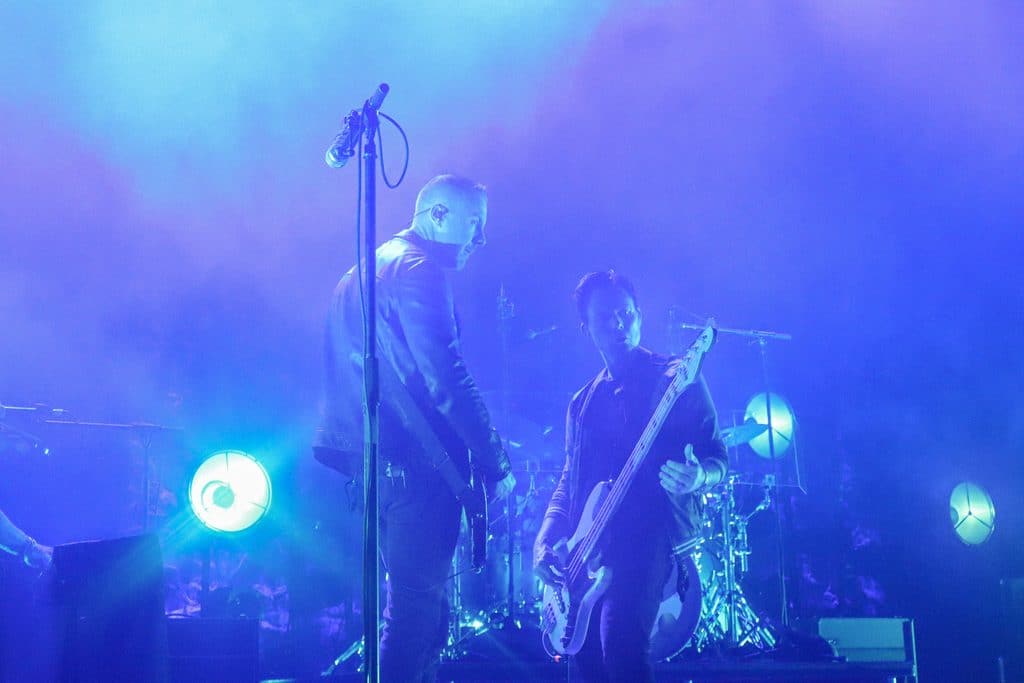
Before Blue October took the stage, singer-songwriter Danny Malone brought his own story of recovery to the Agora audience.
The Texas-born, Nashville-based musician built a reputation in Austin’s music scene in the early 2000s before addiction pulled him away from songwriting and performing. After years away, he began writing again, eventually releasing “Burning Hills,” the first song he had written in eight years.
Malone’s six-song set included “Speeddreamer,” “Sugarwater,” “Leaves,” “Better Things,” “Animal” and “Spiderlegs.” Moving between acoustic guitar and keyboard, he introduced “Better Things” with a reflection on the experience behind the creation of the song.
“I was thinking of places I was running and hiding until I realized I was sick of hiding,” he told the audience.
The line carried added weight given Malone’s journey back to music. His performance offered a glimpse into the experiences behind that return.
Malone’s connection with Blue October frontman Justin Furstenfeld goes back years. Furstenfeld remained in touch during Malone’s struggles with addiction, checking in and offering support. After learning Malone was making music again, Furstenfeld invited him to join the band’s anniversary tour. For Malone, the run marks his first sober tour.
During “Animal,” an as-yet unreleased song, Furstenfeld joined Malone onstage. The moment brought the two musicians’ stories together, with one artist revisiting music created during a difficult period of his life and another finding his way back to performing.
Cleveland still shows up
Cleveland has remained a meaningful stop for Furstenfeld over the years. He remembers fans waiting outside in the snow after shows just to shake his hand.
“You guys have always been so passionate and so amazing,” he said.
He and his girlfriend typically stay downtown when visiting and make time to explore the city’s restaurants. Furstenfeld also has a particular interest in niche fragrances and mentioned visiting Indigo Perfumery, a Cleveland shop that remains open.
He said the city has changed since some of his earlier visits.
“2008 to 2012, it was pretty dark,” he said. “But now there’s some gold about it, and it’s beautiful.”
He praised the city’s businesses and restaurants, adding, “I’m proud of you guys.”
For Furstenfeld, returning to “Foiled” is not about trying to become the person who made the record 20 years ago. It is an opportunity to recognize what the band created, appreciate the people who helped make it and perform the songs from a different place in life.
The music has changed meaning for the person singing it. For the people in the crowd, it may still sound like the soundtrack to a particular chapter of their lives.
Two decades later, both can be true.
We're celebrating four years of amplifying resident voices from Cleveland's neighborhoods. Will you make a donation to keep our local journalism going?
Author

Related Articles
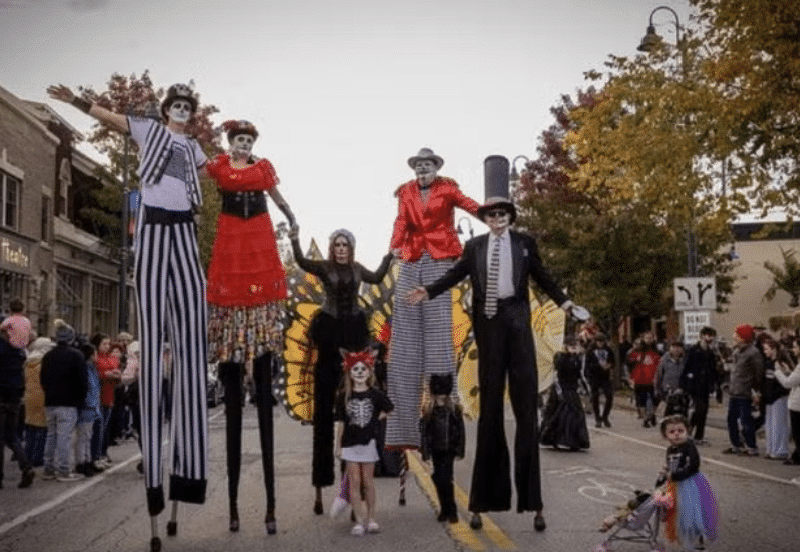
Dia de Muertos Skull and Skeleton Procession: the embodiment of its philosophy
Héctor Castellanos Lara, award-winning artistic director of Cleveland’s Dia de Muertos, has been running the event for 22 years. This year’s Skull and Skeleton Procession took place on Nov. 7, from 11 a.m-10 p.m. at the Cleveland Public Theatre campus, which has been collaborating with Castellanos Lara since 2008.