
Irishtown Bend is a window to Cleveland’s past — and future: Opinion
With the coming of Cleveland Metroparks’ Irishtown Bend Park, this historic turn of riverfront is about to become a shining example of a new era for Cleveland: less populous but greener; freshly forward-looking, but ever mindful of its past.
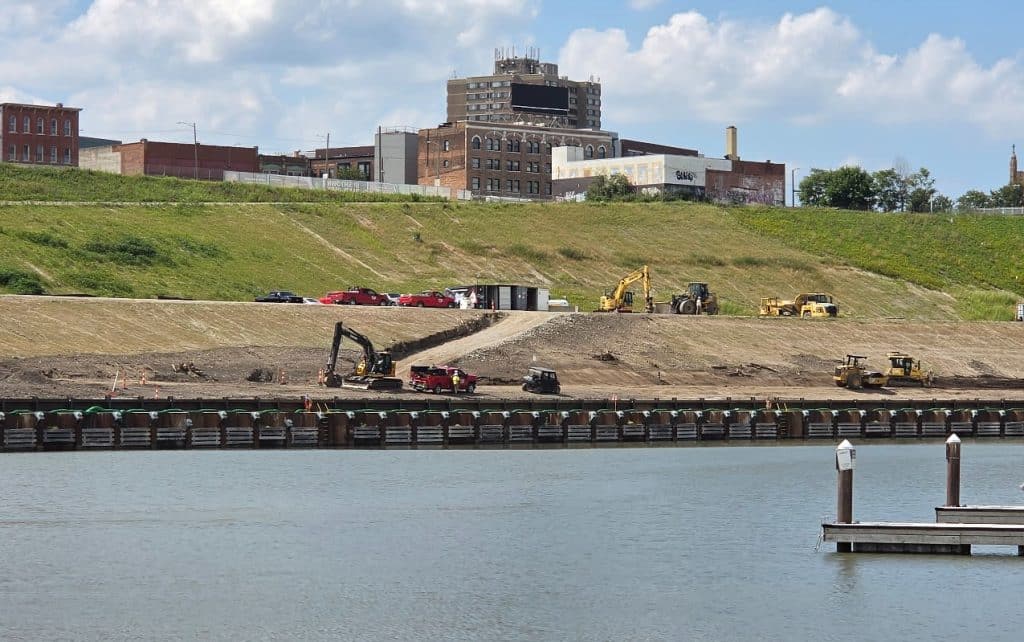
At 230 years and counting since the founding of Cleveland, one can hardly walk the streets and alleys and green spaces of this city without stumbling on some evocative piece of history or other. And yet, to me the slice of Cuyahoga riverfront long called Irishtown Bend is especially symbolic and evocative of Cleveland’s past — and of our future, too.
Much like the city itself, Irishtown Bend flourished with the arrival of successive waves of working-class immigrants, first from Ireland, then from Eastern Europe. Like the city, it hosted heavy manufacturing and subsequently watched as its terrain was scarred in the name of industrial progress. And like the city, the Bend lost inhabitants as the 20thcentury advanced, and for a long time it was a weedy shadow of its past.
But now with the coming of Cleveland Metroparks’ Irishtown Bend Park, this historic turn of riverfront is about to become a shining example of a new era for Cleveland: less populous but greener; freshly forward-looking, but ever mindful of its past.
Here Was History
Many Greater Clevelanders of Irish and Eastern European heritage likely could trace their families’ first footholds in America to Irishtown Bend — which as a result of ancient glacial erosion and ice sheets that gouged the Cuyahoga River valley is steeper than some might expect of the Midwest. Through the better part of the 1800s and into the early decades of the twentieth century, immigrants from Ireland took up habitation on this slope as well as in the area called the Angle, a bit downstream and closer to Lake Erie.
The newly arrived Irish, much like the characters Moira and John Conway — co-protagonists of my new historical novel “Her Own Country,” set in 1919 Cleveland — took whatever paying work they could find: on ship docks, in steel mills, as domestic workers and policemen. They carved from the lofty riverbanks of Irishtown Bend a neighborhood of modest domiciles, taverns, saloons and boardinghouses. When the Irish War of Independence erupted in Ireland the late 1910s, many of the residents joined the prosperous “Lace Curtain Irish” in support of the rebels’ cause back home through rallies, fundraising and political organizations such as the Clan na Gael.
For the inhabitants of Irishtown Bend, it was a loud, malodorous and hardscrabble existence — one that tested the mettle and commitment to America of new arrivals like Moira and John. Tracing parallel to Riverbed Street along the Cuyahoga were multiple lines of railroad tracks crossed by clacketing trains. Sooty coal was unloaded from river boats and into railcars just yards from occupied houses. Steam-puffing freighters and tugs plied the river’s oily waters. All around them was a hazy panorama of factories and steel mills that billowed smoky discharges day and night.
Irishtown Bend, it’s been said, was a shantytown, yet important archaeological excavation conducted in the 1980s by the Cleveland Museum of Natural History and Cleveland State University found objects such as high-quality ceramics and well-crafted glass objects that suggest at least some of the occupants were akin to middle class. A subsequent dig by the Cleveland–Cuyahoga County Port Authority just a few years ago turned up 60,000 artifacts to be archived at Cleveland State — a collection diverse with objects including broken pieces of pottery, dinnerware and an Irish Home Rule pipe.
All these relics the denizens of Irishtown Bend left behind as they progressed “up the hill” and into Ohio City and points beyond, propelled by newfound prosperity in America but also pushed out to some degree by industrial and civic encroachments, including erection in the 1920s of river piers for the Cleveland Union Terminal Viaduct (still used by the GCRTA Red Line) and multiple decades of attempts to “straighten” the river for commercial navigation. From the 1950s into the earliest years of the 2020s, Irishtown Bend effectively became a ghost town.
Homage to Cleveland’s Immigrant Strength
What makes the coming in 2029 of 25-acre Irishtown Bend Park especially exciting is its tantalizing mix of old and new. Yes, there will be unmatched vistas of the river and the downtown skyline, multipurpose paths and public gathering areas — all fantastic additions to a city that for far too long ignored, minimized or outright abused its two waterfronts.
But also planned are elements to honor Cleveland’s Irish immigrants within a dedicated five-acre section, including sculptural front doors engraved with the original door numbers of houses in the neighborhood. This will be a rightful, respectful homage to the heritage of a city built on the sweat, toil, hardship and aching muscles of multiple generations of immigrants.
Moira and John, the two main characters of my novel, are only faces in a vast multitude of Cleveland and American immigrants. Yet without immigrants, the city as we know it never could have come into being. And with the arrival of new and creative civic developments such as Irishtown Bend Park, we increasingly enjoy the fascinating commingling of the contemporary and the historic that makes Cleveland a truly American city and also such a unique place to live.
Keep our local journalism accessible to all
Reader support is crucial as we continue to shed light on underreported neighborhoods in Cleveland. Will you become a monthly member to help us continue to produce news by, for, and with the community?
P.S. Did you like this story? Take our reader survey!
Author

Related Articles
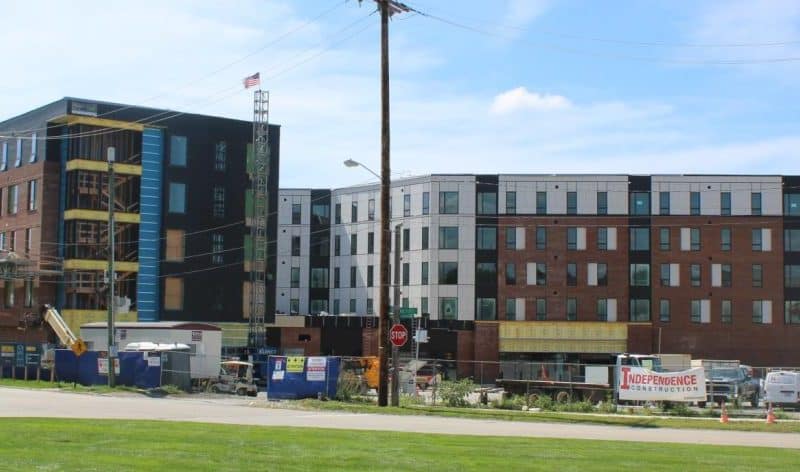
Gateway North set to open fall 2027
Trader Joe’s is currently targeting an opening between mid-October and November of this year.
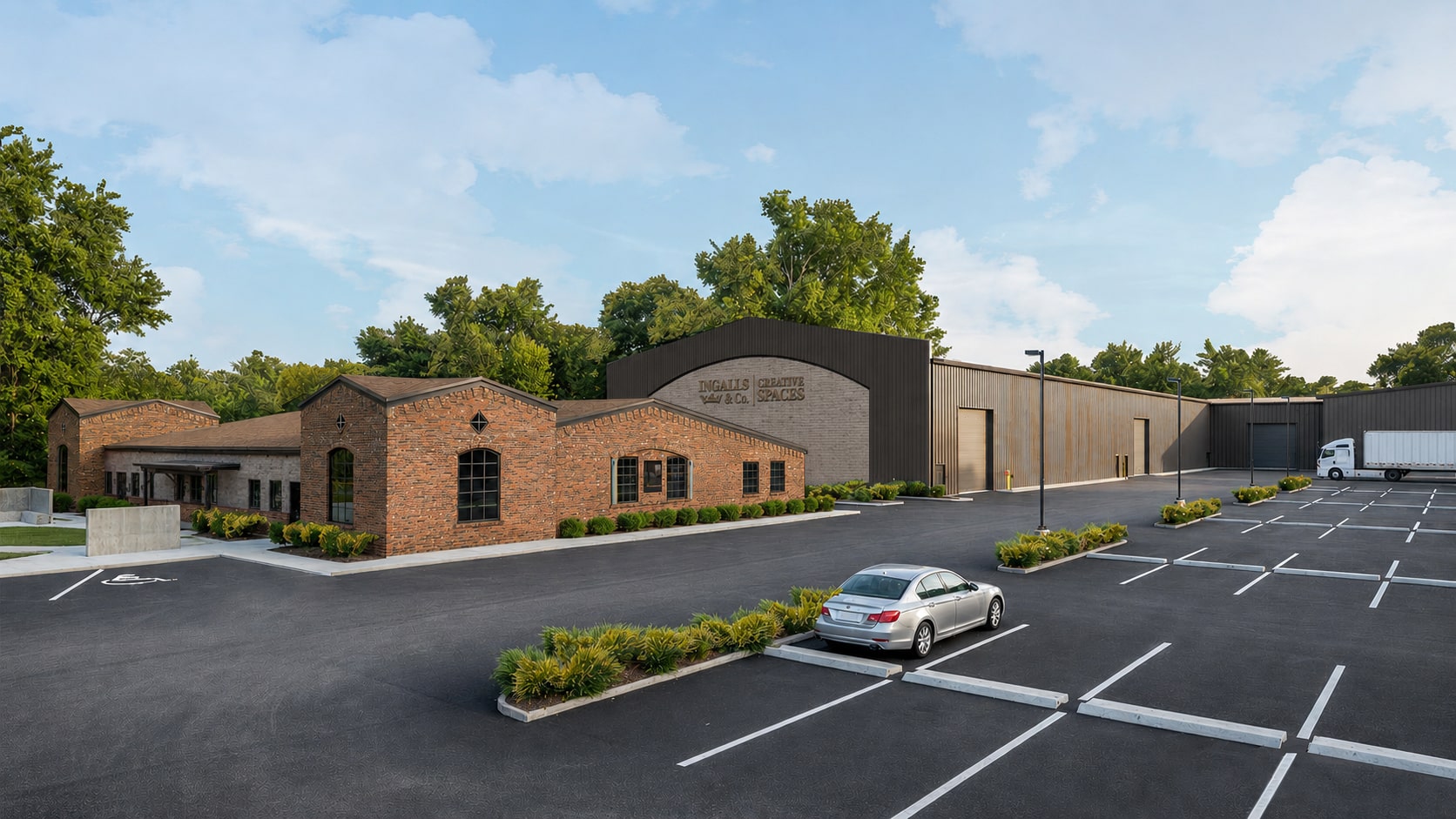
Planned Euclid soundstage aims to bring Hollywood-scale production indoors
“The big picture is to create a sustainable, economically smart center for films to work in.”
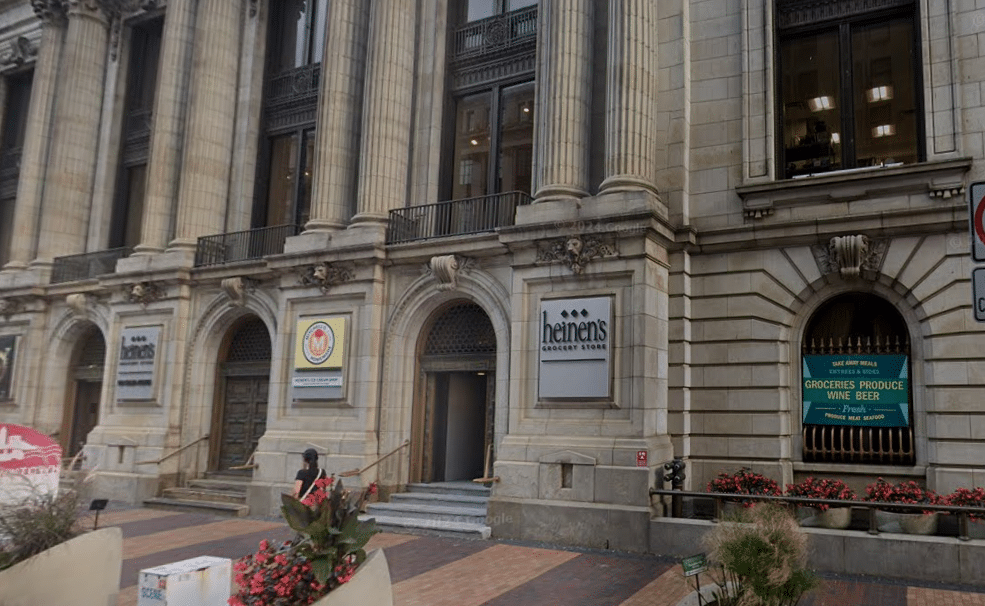
After Heinen’s, who will still bet on downtown Cleveland?: Opinion
Who is still willing to put their money where their mouth is and bet on us?


