
Lakewood fights against power outages – PUCO issues notice of probable noncompliance to FirstEnergy
Almost 300 residents shared stories of loss, fear and instability resulting from power outages in a letter sent to the Public Utilities Commission of Ohio.

The Public Utilities Commission of Ohio (PUCO) has officially responded with a notice of probable non-compliance directed towards FirstEnergy (known locally as the Illuminating Company) after Lakewood residents detailed prolonged power outages in a survey and open letter.
Lakewood City Councilman Tom Bullock spearheaded the effort to get residents to share experiences in a public survey conducted online. Almost 300 residents shared stories of loss, fear and instability resulting from the outages. Bullock and the rest of the Lakewood City Council, along with Lakewood Mayor Meghan George, submitted said survey along with an open letter to PUCO, seeking accountability from FirstEnergy.
FirstEnergy made a statement to The Land via Will Boyle, a senior communications representative, said:
“We understand how important electric service is to our customers and recognize the disruption outages can cause for families, businesses and communities. Our focus remains on providing safe, dependable service while maintaining open communication with customers, community leaders and other stakeholders,” Boyle said. “We will continue evaluating opportunities to further strengthen the electric system and enhance the customer experience.”
Outages in Lakewood
Power outages are far from unfamiliar to Lakewood residents. Last summer, Lakewood and other areas of Cleveland’s west side experienced several power outages as a result of major storms and other infrastructural damage. In Dec. 2025, the City of Lakewood, in an effort to demand accountability from The Public Utilities Commission of Ohio and FirstEnergy, filed a case to prevent FirstEnergy from lowering reliability standards.
“It’s the first time a city government has become a legal party in state of Ohio utility leases,” Bullock said. The case was recently ruled in the favor of The City of Lakewood – opposing the delay of infrastructural repair and outage prevention.
Now, as another summer comes and goes, residents said they’re seeing minimal improvement. According to Lakewood City Council’s findings, thousands of FirstEnergy customers were without power throughout Lakewood and surrounding areas in the past several months. In Lakewood, the average duration of outages was 12 hours, with some residents reporting up to 48 hours without power.
In the open letter, Bullock writes that Lakewood residents have experienced “significant financial loss, high levels of strain on work and family (including infants, older adults and pets) and harm to health and medical care, ranging from flare-ups of chronic conditions to acute problems.”
Many residents came to Bullock earlier in the summer to voice concerns about the outages and resulting damages felt throughout the community. Residents also took it upon themselves to start discussions about the destabilizing outages on social media.
One survey respondent said that they, like many Lakewood residents, bought a generator to avoid losing food and to prevent adverse health effects.
“Being able to eat and breathe is important,” said the responder, who suffers from severe allergies and asthma. “Basic functions that I should be able to power from electricity consistently and reliably in a first world country.”
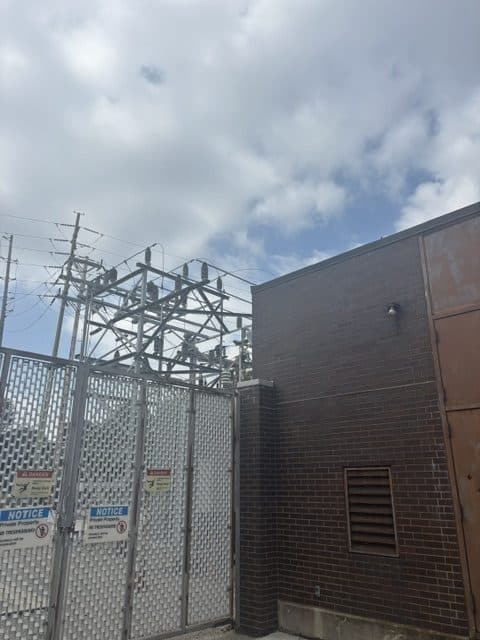
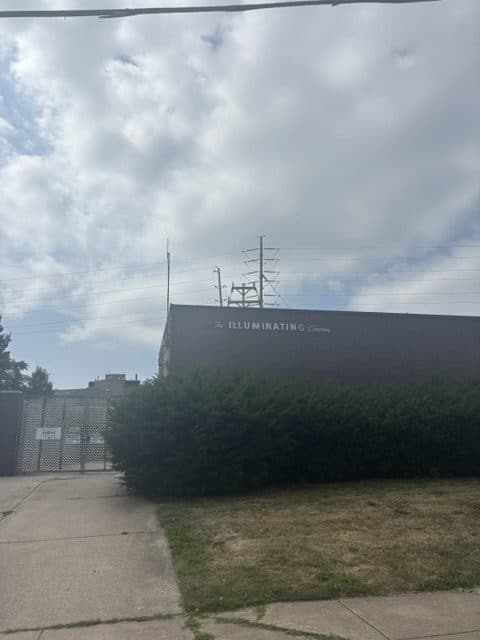
The stories of setbacks and loss were vast. Between the dates of June 30 and July 3rd, when temperatures exceeded 90 degrees, over 368 households lost power. Medications were lost, medical devices were unable to charge. Traffic lights were out, making roads more dangerous. Cell service was down, making it difficult for families to contact their loved ones.
One respondent said that aside from the obvious atmospheric impacts, life in Lakewood seemed to come to a halt. “Local businesses were out [without power] making it difficult to shop and/or to support neighborhood establishments. Traffic lights were also out, creating dangerous intersections when drivers did not see them or know how to interact with them properly.”
70% of survey responders had to replace food or spend money eating at restaurants out of budget. Nearly half (48%) had to buy coolers and ice to maintain food or vital medication. Over a quarter experienced adverse health impacts or dangerous risks (28%).
“Planned outages” were thrust upon residents in the name of fixing infrastructure and preventing further outages – but communication around the outages was nonexistent, residents wrote in the survey. Many “questioned the decision-making behind executing scheduled service disruptions on the hottest days of the year without adequate advance warning,” Bullock said in the summary of his survey’s findings.
Bullock believes the more personal stories residents can offer up, the better the case is against FirstEnergy.
“Specifics are our friend, details are our friend in situations like these,” Bullock said. “This is the stress and strain on families that don’t get played out in the bean counters or economic spreadsheets, but they should.”
Gathering the Evidence
Through the survey, Lakewood City Council cataloged a large list of actual economic and health and safety damages in order to garner accountability from FirstEnergy, they said.
Many survey-takers expressed confusion at the true source of the issue, and who exactly they should be reporting grievances to.
Communication accuracy from First Energy was vague, according to many respondents. 86% of affected survey participants found the info they received from websites, texts or calls to be inaccurate and unhelpful.
One respondent said that “The FirstEnergy updates were inaccurate and unhelpful” and would “just (keep) moving the time by two hours. We received a call at 10:30 p.m. indicating power would be restored shortly and did not come on until 9:30 a.m. the next day.”
“The rules are opaque and confusing – and I think that’s on purpose,” said Bullock. “I think there’s a smokescreen of jargon that is used to deter public scrutiny, and even the legislators themselves don’t know what’s going on.”
That’s one of the various reasons Bullock created the survey – to thrust detailed accounts of material harm through the smokescreen and push for accountability for those responsible for utilities in Lakewood.
Janet Neiberdeng-Stanger, a Lakewood resident of 22 years, said the outages diminished her faith in Ohio’s response to infrastructural fallout.
“I think these things are purposely vague, and I think it’s a trifecta of the power company, the utility commission, and our state government,” Neiberdeng-Stanger said. “We’re telling them when the power’s down – they should already know.”
PUCO and FirstEnergy’s response
On August 5, 2026, the Public Utilities Commission of Ohio provided Cleveland Electric Illuminating Company with a “notice of probable noncompliance” in relation to widespread power outages around the city of Lakewood in July 2026.
As an initial finding by PUCO staff and not a final order, Cleveland Electric Illuminating Company (FirstEnergy) is required to provide a response by August 21, 2026.
Now, Lakewood residents and the City Council are in the final leg of their wait for a response from FirstEnergy. Many hope for prevention, solutions and a better path forward.
“Our job at the city level is to be a squeaky hinge,” Bullock said. “We don’t have direct control, but we can be a vocal and dogged advocate for our residents, and we’ve taken the first steps.”
We're celebrating four years of amplifying resident voices from Cleveland's neighborhoods. Will you make a donation to keep our local journalism going?
Author

Related Articles
New Ohio voting rolls part of larger national movement
Voters in more than 20 states will be faced this year with new laws for registering to vote and casting ballots. Nearly 40 laws are taking effect for the first time in this year’s midterms, mostly in Republican-controlled states.


Cleveland is now a City of Peace but what does that mean?
Last year, this proclamation, which is a symbolic commitment to advancing peace, was announced on the stage of the LatinUs Theater in the Pivot Center located on W. 25th Street.


