
Op-ed: Issue 38 would let residents take charge of how taxpayer money is spent
On November 7th, Clevelanders will vote on Issue 38. Here’s how it would benefit residents by letting them directly decide how taxpayer money would be spent.
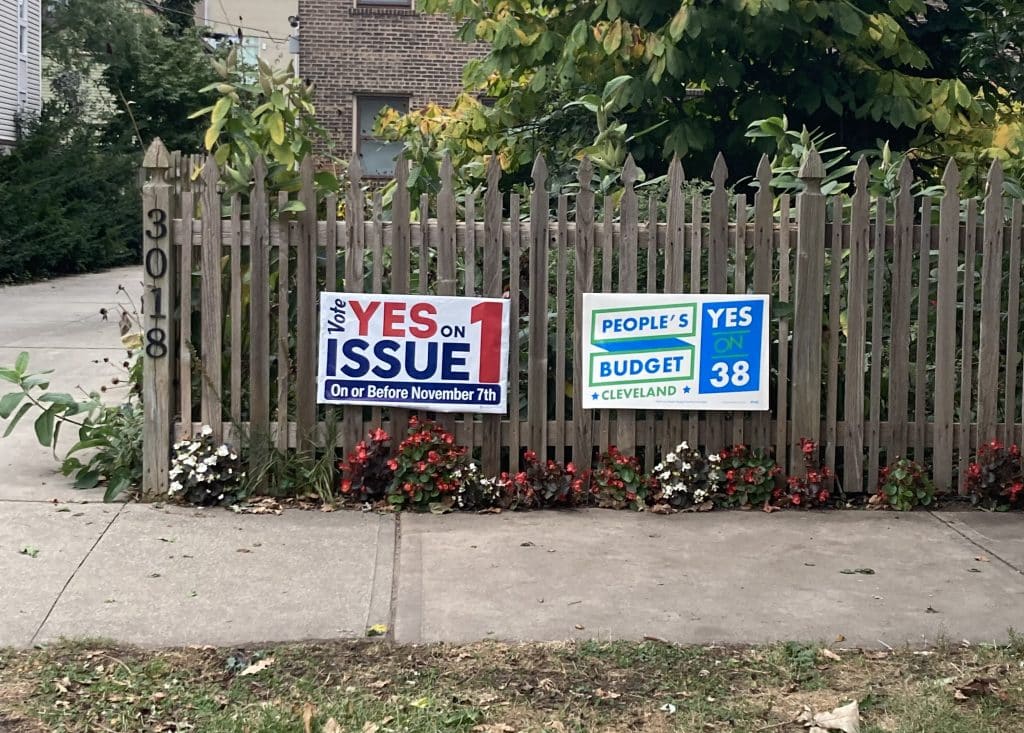
Editor’s note: Evan O’Reilly lives in Lakewood but is an active member of three community organizations based in Cleveland, including PB CLE.
On November 7th, Clevelanders will vote on Issue 38, which would amend the city of Cleveland’s charter to enable residents to directly decide how 2% of taxpayer dollars are spent each year, or about $14 million annually.
The People’s Budget, or Issue 38, is a form of direct democracy that would allow ordinary residents to make decisions about how taxpayer money is spent in their community, first by proposing their own ideas for projects through open community forums, and then by participating in a public vote to collectively determine which projects would then receive funding.
Issue 38 skeptics have tried to depict participatory budgeting (PB) as some combination of naive, corrupt, and dangerous, but PB is not a new or radical idea: Issue 38 was informed by the best practices of hundreds of other cities that have implemented it successfully. In fact, the most exceptional thing about Issue 38 is the level of vitriol and hostility it has been met with by local elected leadership.
In most cities that have PB, it has been proudly championed by local city council members as an effective tool for community outreach and civic education. Only in Cleveland do they have to be dragged kicking and screaming to support direct taxpayer voting on a small portion of spending.
Many of the implementation questions regarding specific funding sources and the election process have been intentionally left for the city and steering committee to answer. That’s a best practice learned from other cities with PB, because it allows for learning and innovation year-to-year. If something doesn’t work as intended one year, it can be improved in the next year’s process.
Everything about Issue 38 has been based on the best practices from other cities’ PB processes – the steering committee, the administrative fund, the prioritization of projects in low income neighborhoods, and the inclusion of teenage residents in the process. Other cities have been successful in implementing these aspects of PB, and by incorporating the lessons learned by those cities, Cleveland sets itself up for success too.
Evanston, Illinois, just ran its first PB pilot and nearly 10% of residents participated. In Somerville, Massachusettts, winning projects include bus stop improvements, the installation of shade structures for parks and public squares, and new secure trash cans. These are ideas that residents proposed and then voted on and are now being implemented by existing city departments.
In Cleveland, critics of Issue 38 are fear mongering when they claim the amendment will inevitably lead to cuts in essential services. We know that in Cleveland there is money in our city to do more to meet the needs of residents. What our city can’t afford is to cater to the insatiable greed of wealthy special interests. In 2028, Cleveland will make its final $9 million payment on the mortgage it took out to build Browns stadium in the 1990s. Wonderful. Let’s celebrate. And starting in 2029, let’s make sure every single one of those dollars instead goes to meet resident needs.
Unfortunately, critics want you to believe that a vote for Issue 38 is a vote for cuts, because they can’t argue against participatory budgeting on its merits, and they trust that they know how the city’s budget works and you don’t. Issue 38 is designed to change that. The People’s Budget charter amendment is not just about who decides where the money goes, it’s also about creating a culture of political engagement that challenges corporate sway over public resources.
Keep our local journalism accessible to all
Reader support is crucial as we continue to shed light on underreported neighborhoods in Cleveland. Will you become a monthly member to help us continue to produce news by, for, and with the community?
P.S. Did you like this story? Take our reader survey!
Author

Related Articles
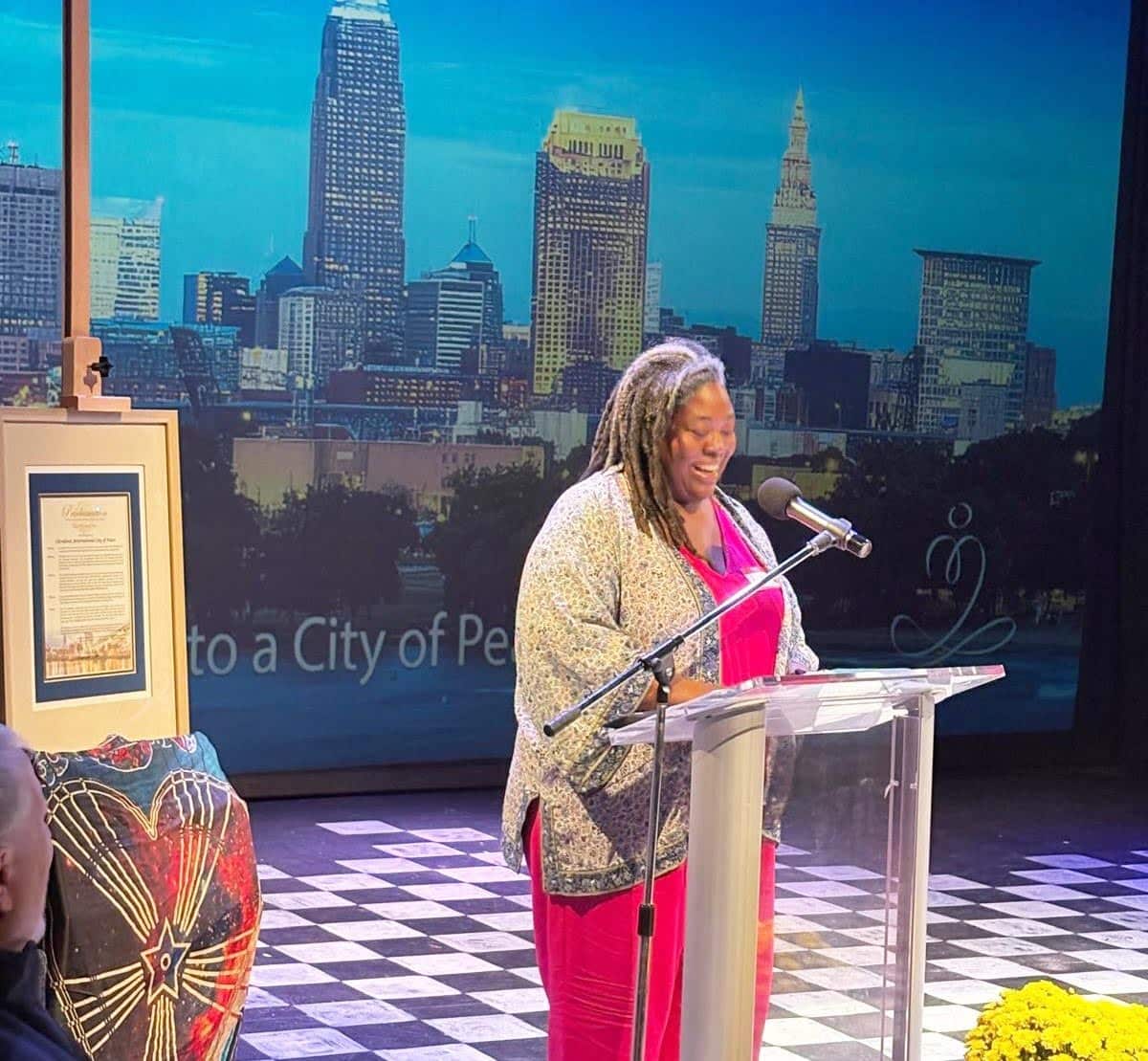
Cleveland is now a City of Peace but what does that mean?
Last year, this proclamation, which is a symbolic commitment to advancing peace, was announced on the stage of the LatinUs Theater in the Pivot Center located on W. 25th Street.

Northeast Ohio voting advocates: ‘Under no circumstances will we stop’
Despite a push to increase voting restrictions, advocates say they’re “jazzed to do this work.”


