
Breathing life into loss, MetroHealth holds memorial service for families who have lost a child
First-of-its-kind memorial service brings together caregivers and patients to support families grieving the death of a child.
First-of-its-kind memorial service brings together caregivers and patients to support families grieving the death of a child
When Mirit Balkan talks about grief, she leans back in her chair, sweeping up her long brown hair into a ponytail, away from her face like the room is too hot. The subject she is discussing is not easy, even for a hospital chaplain like her. Balkan works for the MetroHealth hospital system, where she helps patients and their loved ones process news of sickness and death regularly.
“What’s unique about MetroHealth,” Balkan explains, leaning forward this time. She crosses her arms against her thighs, determination in her eyes. “This is a county hospital and we won’t turn anyone away. We are not like the other hospitals. This hospital is for everyone, even if you cannot pay. If you are homeless and need help. If you are in jail and need more serious treatment. If you are in the foster system and get sick. If you are a refugee and don’t have money. If you are one of the thousands of working poor and cannot make ends meet, okay. You understand? This is where you come. We will take care of you. No questions asked.”
MetroHealth works to serve the community’s most vulnerable populations. Of the 300,000+ patients the system serves, two-thirds are uninsured or covered by Medicare or Medicaid, according to the website.
“If families suffer the trauma of losing a child, they still need to be comfortable coming back,” Balkan insists. “Because where else will they go if they are sick? This is their hospital.”
Balkan has partnered with pediatric hospice and palliative care doctor Ruth Villarosa, MD, to champion this idea. The duo set out to welcome families back into the hospital after experiencing the death of a child.
Dr. Villarosa is soft-spoken, but the palpable compassion she has for her patients and their families resonates loudly.
“Death is part of life,” she says. “We cannot save everyone. Sometimes it is simply not possible. What we can do is make the process easier for the living.”
MetroHealth is a Cuyahoga County Level I Trauma Center and Ohio’s only adult and pediatric trauma and burn center. The care team sees severe cases.
Across the country, hospitals are known to offer memorial services for those who died throughout the year. MetroHealth stopped during Covid, but this year – at Balkan and Villarosa’s urging – created a memorial service designed specifically for the families who had suffered a child’s death.
On March 19 – the first day of spring, symbolic for rebirth and renewal – their vision came to fruition. Admittedly, they were unsure what the outcome might be, with potential pushback from families who were afraid to face the hospital again.
“I offered to meet a mom in the parking lot to physically help her enter the building without collapsing,” Balkan sighs deeply, remembering the mother’s pain when they spoke. “But this is why we have to reach out, so they are able to walk in the doors and take care of their own health when they need to.”
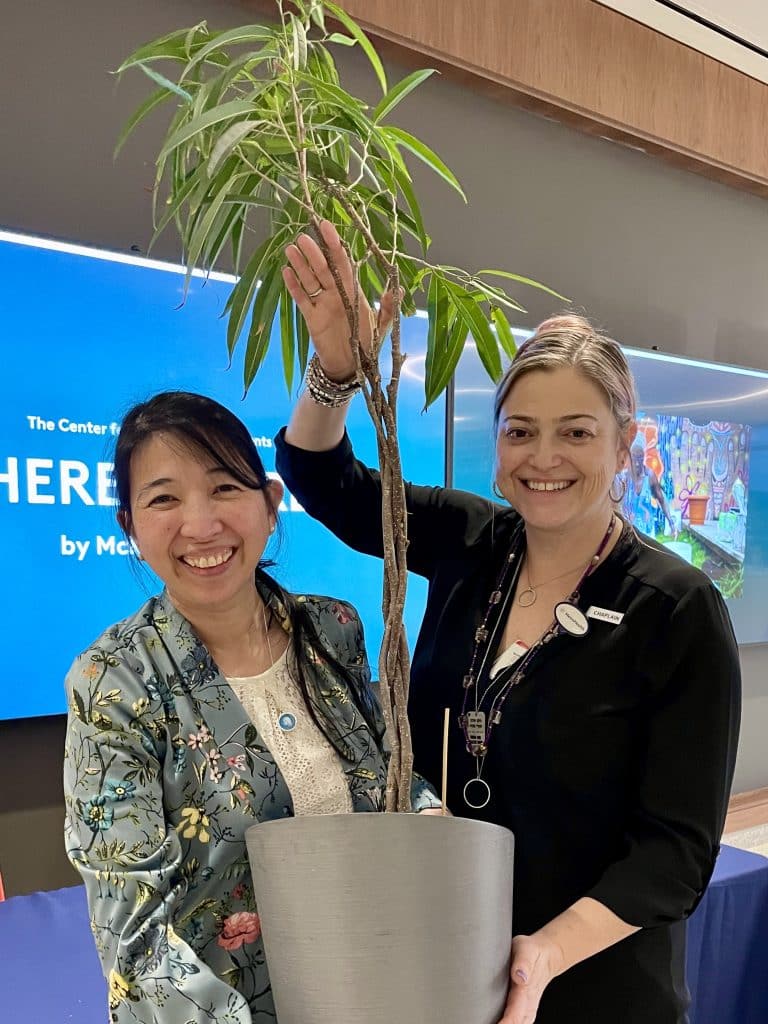
The obstacles would continue, the women realized as they made every phone call personally. They had difficulty finding current contact information for families because phones had been disconnected or numbers changed; or in more than one instance, both parents had also died or were in jail.
“For some of the children in our records, we had no one to invite,” Villarosa says, matter-of-factly. “But we did not give up on the idea.”
Balkan interjects, “We felt like if one family comes, or ten families come, the event would still be a success.”
“Yes, exactly,” Villarosa agrees. “And we had the chance to focus on hospital caregivers, because they need support too.”
Both women are immigrants, like many of their patients, and they agree on many fronts. For example, they share the belief that it is possible (and valuable) for hospital caregivers to spend as much time with the families of pediatric patients as they do with the patients themselves.
“For families whose children come in because of an accident, like a car accident, or a gunshot wound or maybe a stabbing, the families are in shock. They are trying to make sense of what is happening,” Villarosa says.
Balkan finishes the thought, “The families cannot comprehend any of it yet, they are exactly totally in shock.”
This is another reason the pair agree they make a good team: the needs of patients and their families are both medical and spiritual. Studies show that incorporating spirituality into medical practice results in better health outcomes.
Researchers who led a comprehensive study at Harvard T.H. Chan School of Public Health and Brigham and Women’s Hospital found that, “spirituality influences key outcomes in illness, such as quality of life and medical care decisions” and when it came to end-of-life decisions, “spiritual support from a medical team resulted in greater hospice utilization, less aggressive interventions, and fewer ICU deaths.”
MetroHealth is focused as a system on meeting its mission to provide preventative community care, including preventing childhood deaths. The chaplain and the doctor believe meeting families wherever they are in their grieving process is part of supporting that family’s future care.
When guests are welcomed into the hospital for the memorial service, they are directed to the cafeteria, where Balkan and Villarosa wait with every detail in place.
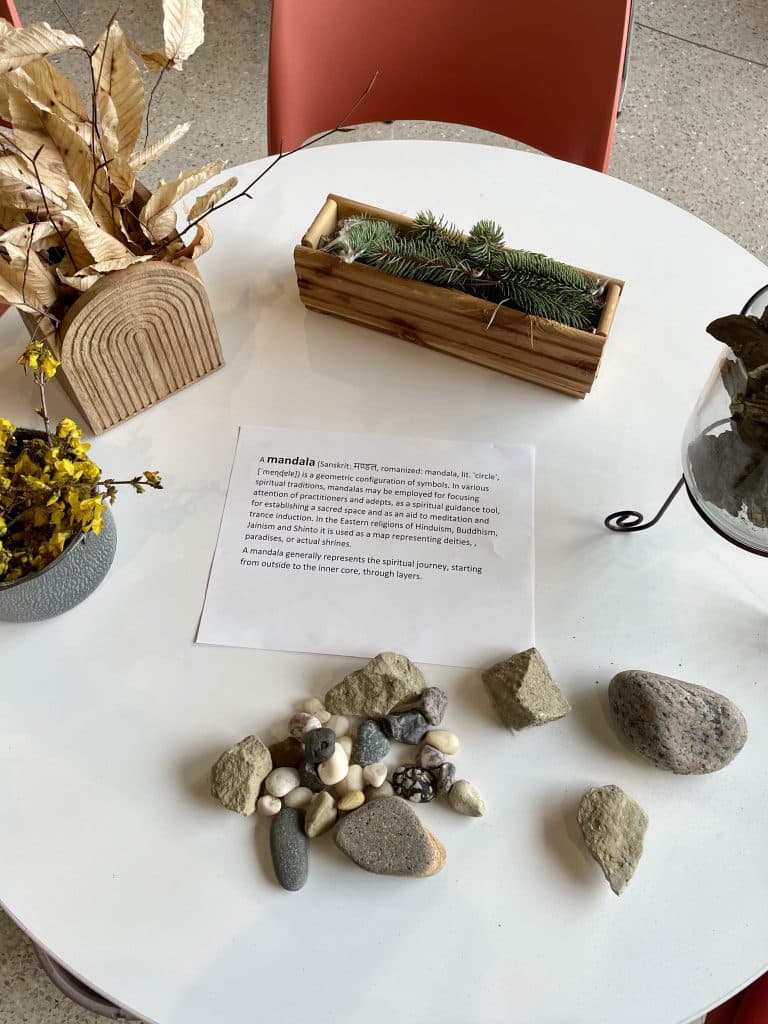
Nature themes are embedded into a community art project, in which families and caregivers are invited to create a mandala out of sticks, leaves, dried flowers, willow branches and more elements that Balkan has personally collected from outdoor area parks and gardens. Seed packets are handed to each guest to plant in their own gardens when they go home, as a reminder of their loved ones. Decorative butterflies accent the buffet table where fresh fruits celebrating the renewal of spring are offered as a healthy treat.
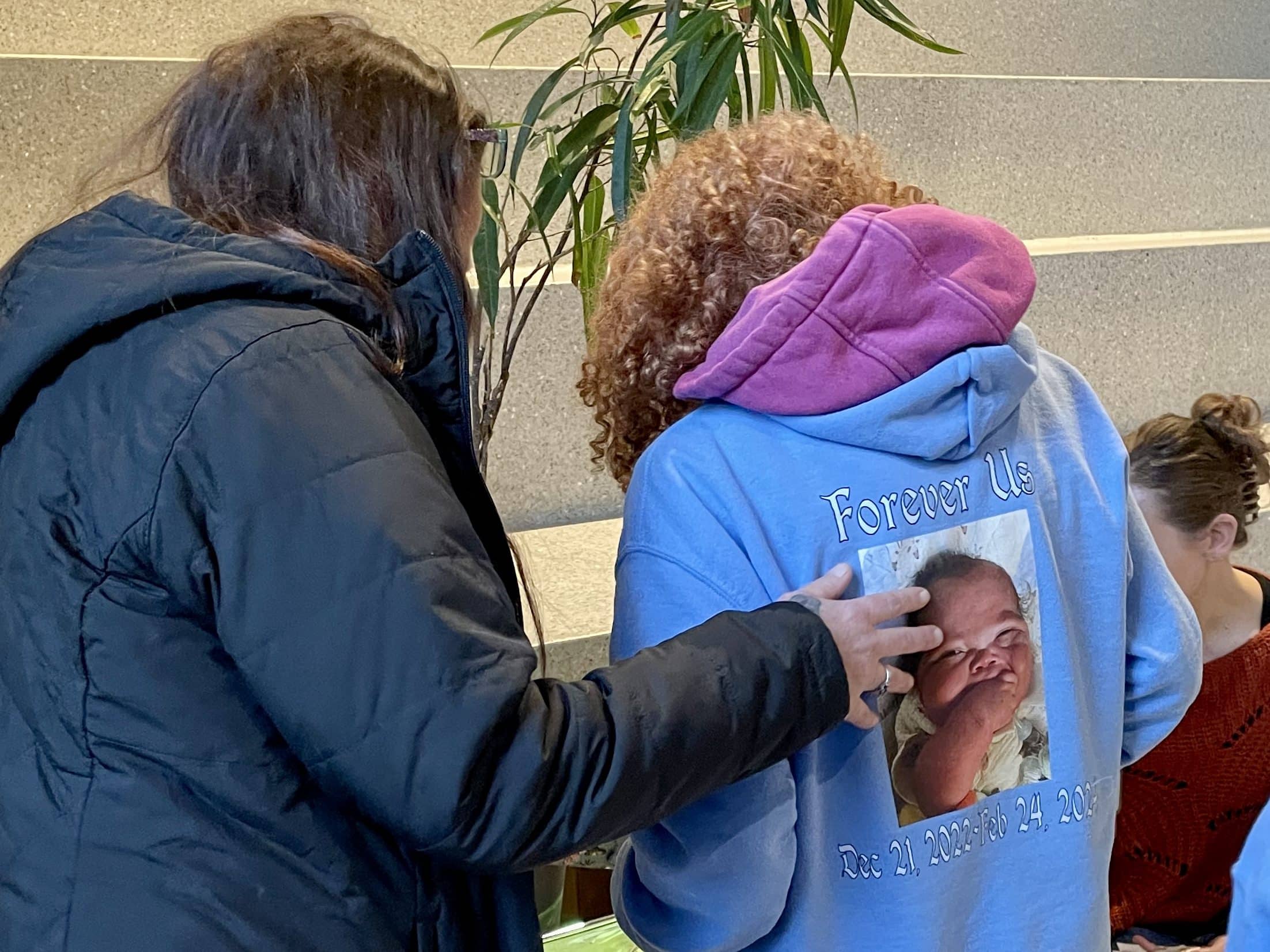
Caregivers from all facets of the hospital RSVP for the memorial service, volunteering to read passages of prose or selections of poetry. One caregiver asks if she can sing. Nurses, doctors, and even administrators attend. MetroHealth’s CEO, Dr. Airica Steed, arrives and reads before a crowd of approximately 100 guests; a mix of hospital caregivers and families of deceased pediatric patients fill the room with love and light, as well as pain and grief – which are healthy parts of the healing process. They lean on each other and share in each other’s memories while creating new, positive, memories too.
The highlight of the event, for Balkan, is seeing the valuable role Villarosa still plays in the lives of families whose children were under her care when they were alive.
“Dr. Villarosa is like part of our patient’s family. They don’t forget her,” Balkan scrolls through her phone to find a photo from the memorial service. She points, “See? Look at how he holds her hand, he cannot let her go!”
In the photo, a mother and grandfather of a child who died this past year are speaking to the 100-person audience, who have gathered for the memorial in the decorated cafeteria. The man holds a microphone in one hand, and in the other, clutches the doctor’s hand with such might that her fingers appear to turn a slight dark pink. Balkan says he held onto her like this for the entire speech, as if she was his life raft.
The women exchange a smile. They have accomplished more than they set out to, and they are already planning for next year’s memorial to carry the momentum forward.
“Some will come here and some will die here,” Villarosa says. “And the families will leave with shattered hearts, broken in pieces. We may not be able to change the outcome from a fatal gunshot wound or lethal drug overdose or lack of prenatal care. But we are able to change the way these patient’s families grieve in community, as part of community, and know that they are not alone.”
We're celebrating four years of amplifying resident voices from Cleveland's neighborhoods. Will you make a donation to keep our local journalism going?
Author

Related Articles
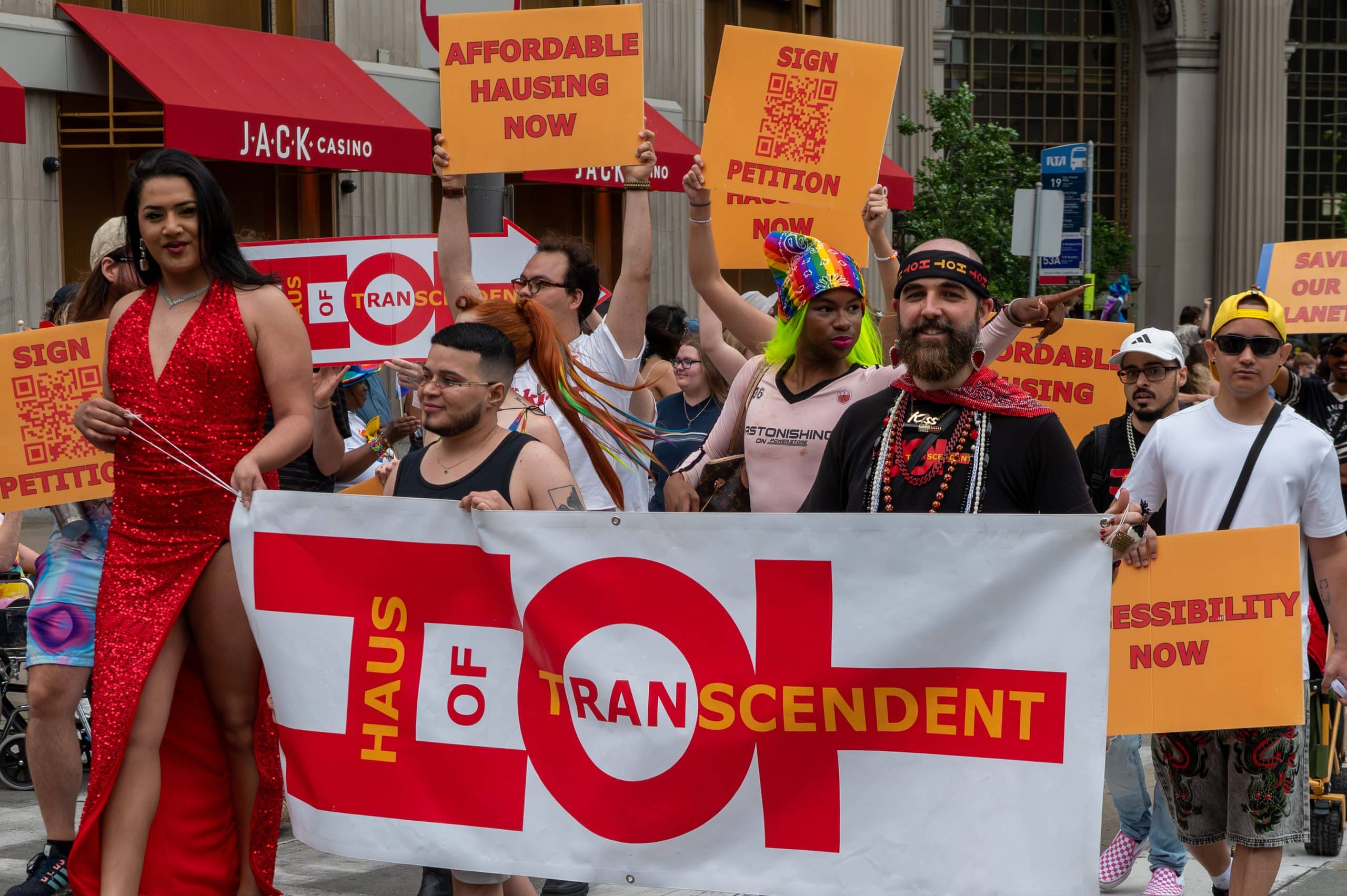
Haus of Transcendent hosts healthcare directory with focus on Cleveland’s Queer community
“It also serves as a one-stop shop for people who do not know what the link is to access the Medicaid portal and other critical government programs.”
At Fairfax Community Gym, ‘exercise is medicine,’ and free (no strings attached)
What if you had a trained sports medicine doctor and a team of certified exercise physiologists at your disposal to regularly measure your body and health and guide you through a customized regimen, tweaking workouts as you go?
Northeast Ohio therapy dog organization lends listening ear to trauma victims
While visiting Valley Forge High School in Parma Heights the day after an 18-year-old student took her life in the schools’ cafeteria on April 20, Shirley Graziano, the president and founder of Crisis Canine Corps (CCC), and therapy dog Zodiac noticed two young girls in the library.


