
Grandparents for Vaccines don’t want Clevelanders reliving the brutality of polio, meningitis
Grandparents for Vaccines was founded by Dr. Arthur Lavin of Shaker Heights, a retired pediatrician and a grandfather of four. The group recently won $250,000 from the Mt. Sinai Health Foundation to promote vaccines around the country.
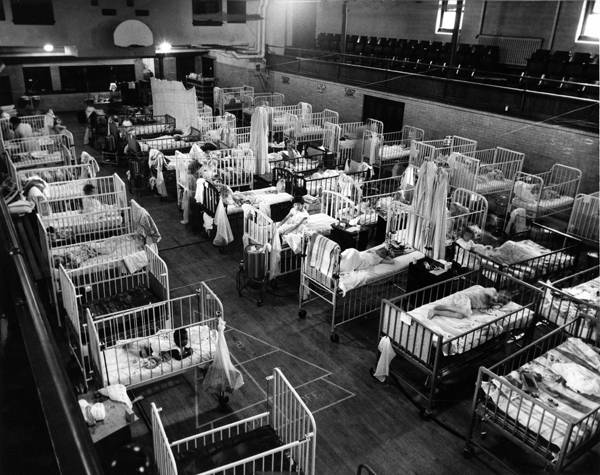
Some of the few surviving victims of polio, meningitis and other brutal contagions of old fear the nation’s growing rejection of vaccines.
Patrick Crago belongs to Grandparents for Vaccines, a network launched in Cleveland last year and spreading around the country. The retired Case Western Reserve University professor of biomedical engineering speaks for the group about his continuing struggle with polio in hopes of persuading others to avoid such ordeals.
Crago caught polio at age 5 in 1950, five years before its vaccine became available. He became paralyzed in both legs, one arm and some of his torso. For the first three months, he was isolated from family and friends at a hospital. For more than nine months, he stayed in a rehabilitation center while learning to walk with crutches. Since his mid-50s, he’s had to use a wheelchair.
Crago says some people today refuse vaccines because of false reports of harm, while others have been lulled into complacency by the shots’ success in wiping out diseases. “Out of sight, out of mind,” he says.
Diane Roberto, a founder and director of Horizon Montessori School in Cleveland Heights, agrees. She has needed a wheelchair since catching polio at age 11, just months before the vaccine went public. “We need to delve into our history,” she says, “and see what a difference modern medicine has made in our lives.”
From Shaker to the nation
Grandparents for Vaccines was founded by Dr. Arthur Lavin of Shaker Heights, a retired pediatrician and a grandfather of four. The group recently won $250,000 from the Mt. Sinai Health Foundation to promote vaccines around the country. It has an executive director and 82 volunteer leaders in 32 states so far.
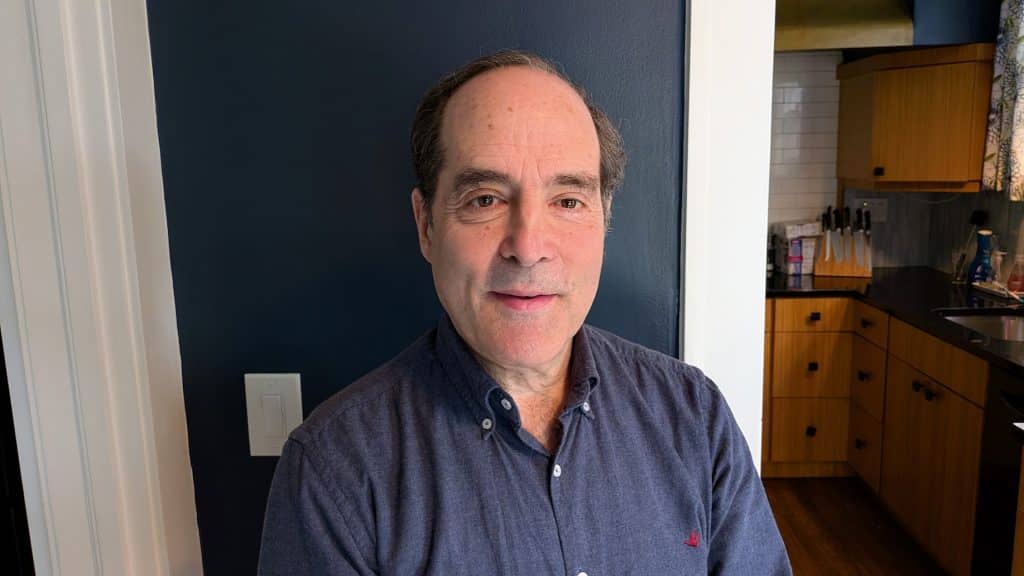
Members don’t have to be grandparents, but Lavin chose the group’s name because,“in an age where trust is hard to come by, grandparents are one of the most enduring reservoirs of trust. Most people believe that grandparents love their grandchildren. That hasn’t been disinformationed out. Trust is the only path forward for a healthy nation.”
What’s more, “The grandparents’ generation lived before these vaccines existed. We know what it’s like to have polio and meningitis. We’re terrified that the grandchildren might be forced to endure those catastrophes we’ve lived through.”
Polio struck the nation in the late 1940s. In 1952 alone, it infected 20,000 Americans. Some died, and many needed to be nearly encased in iron lungs.
So families celebrated the vaccines’ creation. “Schools closed,” says Lavin, too young to remember, but informed by his elders. “Factory whistles blew. Church bells rang across the county. There were parades. People lined up to get the shot.”
Contagions’ comebacks
Now vaccines are slipping in popularity. Estimated rates for the measles, mumps and rubella vaccine among American kindergarteners fell from 95.2% during the 2019–2020 school year to 92.5% in the 2024–25 school year, leaving about 286,000 kindergartners unprotected. Rates for other vaccines are falling too. In the current school year, just 81.9 percent of Cuyahoga County kindergarteners were documented as having gotten all recommended shots.
Lavin says it’s no coincidence that the nation’s infection rates are rising. In 2000, measles was declared to have been eliminated in the United States. But 2,287 cases were found last year and another 1,714 in just the first 99 days of this year.
In January, four members of a family in Cuyahoga County were diagnosed with measles. In February, a student at Kent State University was diagnosed with meningitis. In 2002, the nation saw its first case of polio in 30 years.
The feds downgrade vaccines
Some feel that mainstream medicine is under fire by a movement calling itself Make America Healthy Again. Among other steps, Robert F. Kennedy Jr., U.S. secretary of health and human services, has dropped six of the department’s 17 recommended vaccines, fired all members of a vaccine panel, replaced them with fellow critics, and cut funds for developing vaccines. But a federal judge has blocked some of these measures for now and President Donald Trump’s nominee this month to lead the Centers for Disease Control and Prevention has supported vaccines.
Critics see the movement as part of a broad political campaign against the truth about climate change, elections and more from scientists, academics, journalists, judges, juries and other traditional sources. The Land’s requests for comments were not honored by Kennedy’s department or the advocacy group MAHA Action. And Lavin won’t criticize leaders.
“We don’t want our kids to be part of anyone’s politics,” he says. “We’re just saying protect our kids.”
Fighting fear
Lavin tries to validate families’ hesitations. “It’s not fun getting a shot. We understand people’s fear of needles.” Still, “Our great nation overcame that fear and wiped out polio.”
Cleveland has a connection to that conquest. In 1954, Dr. Frederick Robbins, a Case Western Reserve University medical professor and later medical dean, shared a Nobel Prize for having helped in Boston to cultivate the polio virus for use in vaccines.
Most viruses have no cures, so Lavin says it’s crucial to prevent them. For a sad example, more than 2.5 million people died from COVID-19 in the two years before its vaccines became widely available.
Lavin is working with the Cuyahoga County Board of Health to promote vaccines at two upcoming events, open only by invitation, one with the National Council of Negro Women, the other the National Association of Evangelicals and the Community of Faith Collaborative. He invites other groups to contact his organization for speakers at private or public events.
Cuyahoga Health spokesman Kevin Brennan says, “We know these things work. Our goal is to always make sure people can make an informed decision. If we can provide information to people, that’s half the battle.”
For more about the harm of preventable contagions, see https://www.youtube.com/@GrandparentsforVaccines/playlists. To get a vaccine, contact your doctor, pharmacy, community health department or county health board. The Cleveland Health Department vaccinates children for free on Mondays at the Blanket Mills Health Center, 3466 Saint Rocco Ct., 216-664-6603, or Thursdays at the J. Glen Smith Center, 11100 St. Clair Ave., 216-664-2704. The Cuyahoga board, 216-201-2000, charges by ability to pay. Medicaid and insurance cover many vaccines.
Keep our local journalism accessible to all
Reader support is crucial as we continue to shed light on underreported neighborhoods in Cleveland. Will you become a monthly member to help us continue to produce news by, for, and with the community?
P.S. Did you like this story? Take our reader survey!
Related Articles
Choosing life: Seneca Bankston’s story of suicide, faith and hope
“Seneca’s story reminds us that mental health challenges can affect anyone. It also highlights why it’s so important for people to know they don’t have to face those challenges alone.”
Haus of Transcendent hosts healthcare directory with focus on Cleveland’s Queer community
“It also serves as a one-stop shop for people who do not know what the link is to access the Medicaid portal and other critical government programs.”
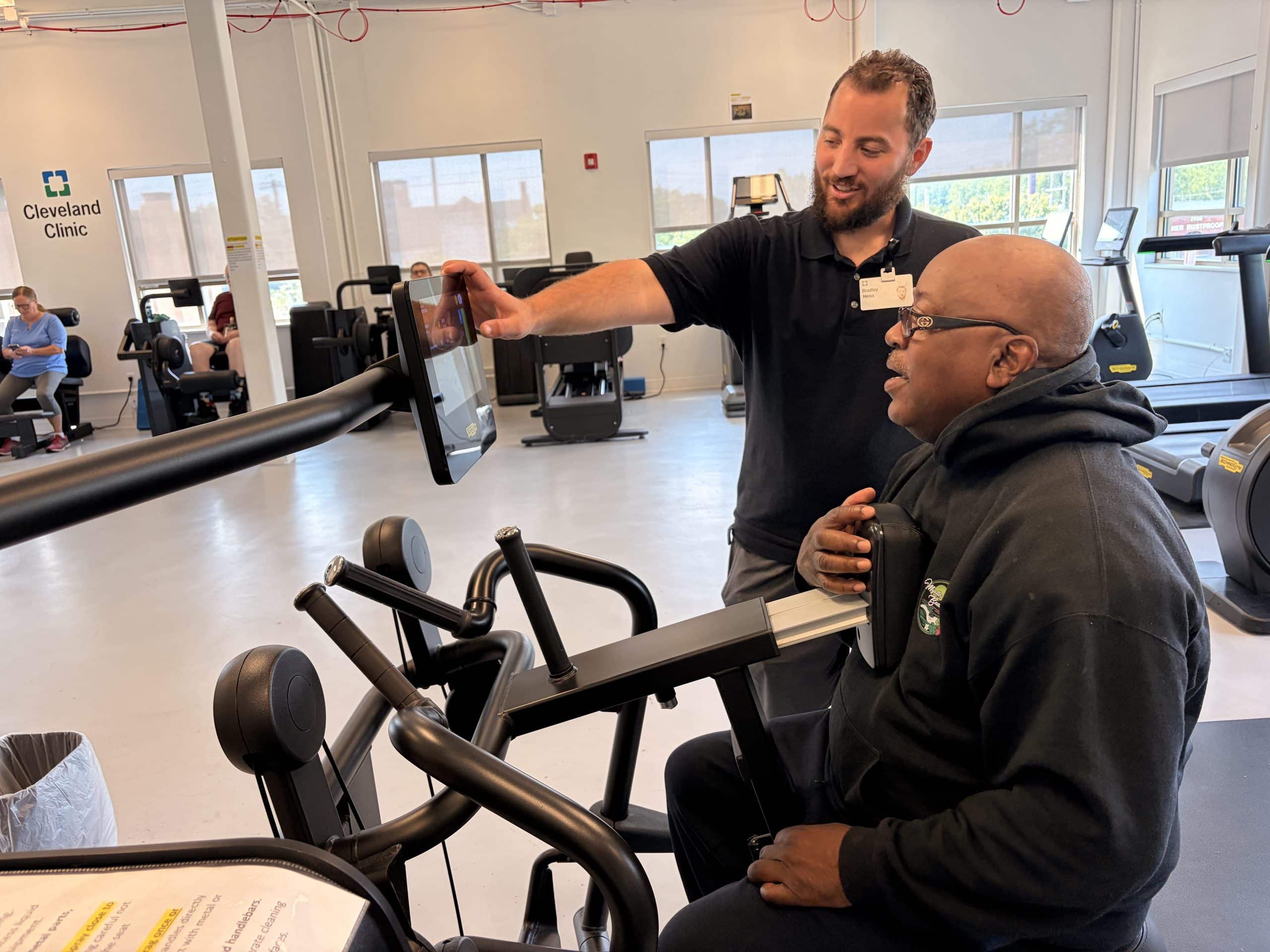
At Fairfax Community Gym, ‘exercise is medicine,’ and free (no strings attached)
What if you had a trained sports medicine doctor and a team of certified exercise physiologists at your disposal to regularly measure your body and health and guide you through a customized regimen, tweaking workouts as you go?


