
In Hough, listening gives way to action
How does a historically Black neighborhood, rich in history, grow without losing what makes it special?
For more than a year, Hough’s residents — young and old, planners, elders who remember, and those just learning — have circled a single, urgent question: How does a historically Black neighborhood, rich in history, grow without losing what makes it special?
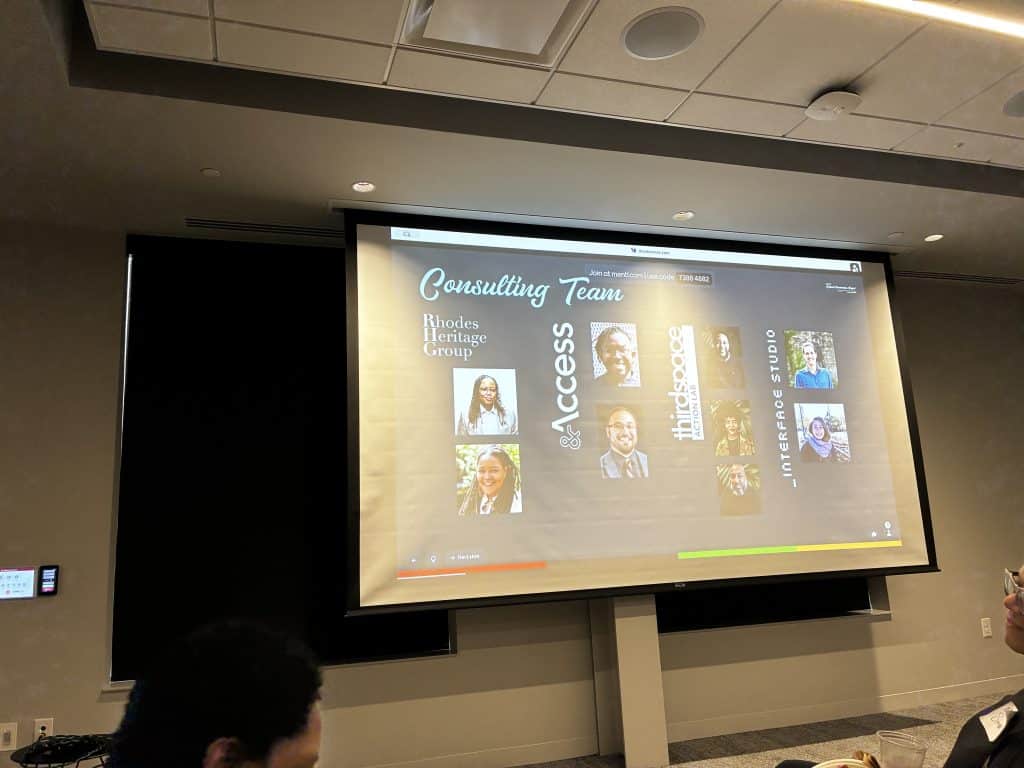
That question was at the heart of the Hough Cultural Preservation Project Town Hall, held April 23 at the MidTown Collaboration Center, and echoed in conversations with Monica Rhodes, founder of Rhodes Heritage Group and principal consultant for the project, and Anthony Giambroni, vice president of community engagement at MidTown Cleveland.
According to the Encyclopedia of Cleveland History, Hough lies between Euclid and Superior Avenues, stretching from East 55th to East 105th Streets. But lines on a map only go so far. A neighborhood is also defined by use — where people gather, where they return. Over time, Hough has been a center of Black life in Cleveland, with a busy stretch of local businesses — bakeries, hotels and clubs — including Hough Bakery, the Majestic Hotel, and Leo’s Casino.
By the 1940s, the area had also become a regular stop for touring jazz and R&B bands, giving it a broader cultural presence. In the decades that followed, Hough faced mounting pressures — overcrowding, disinvestment and the unrest of 1966 — and a long period of population decline. Today, it reflects both that history and signs of rebuilding, with new housing, community-led development, and the restoration of places like League Park.
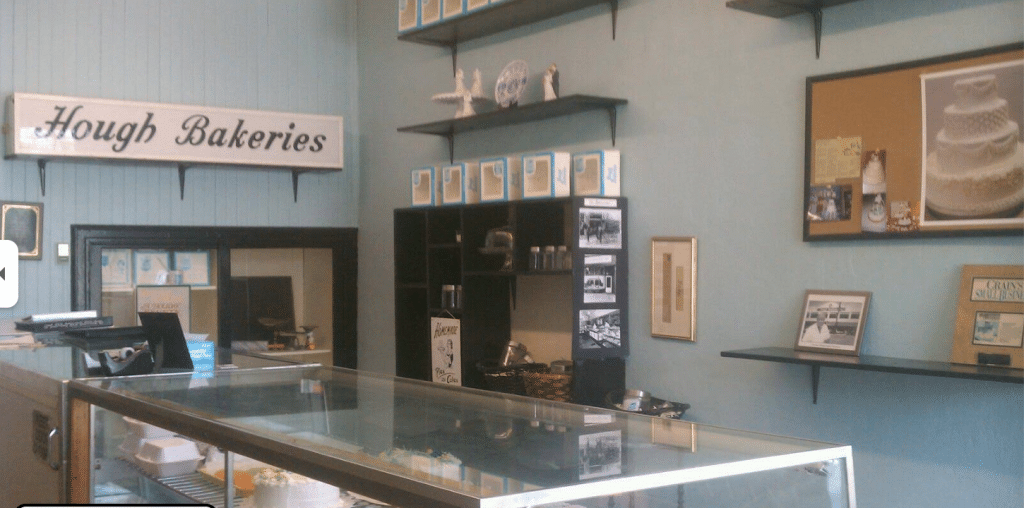
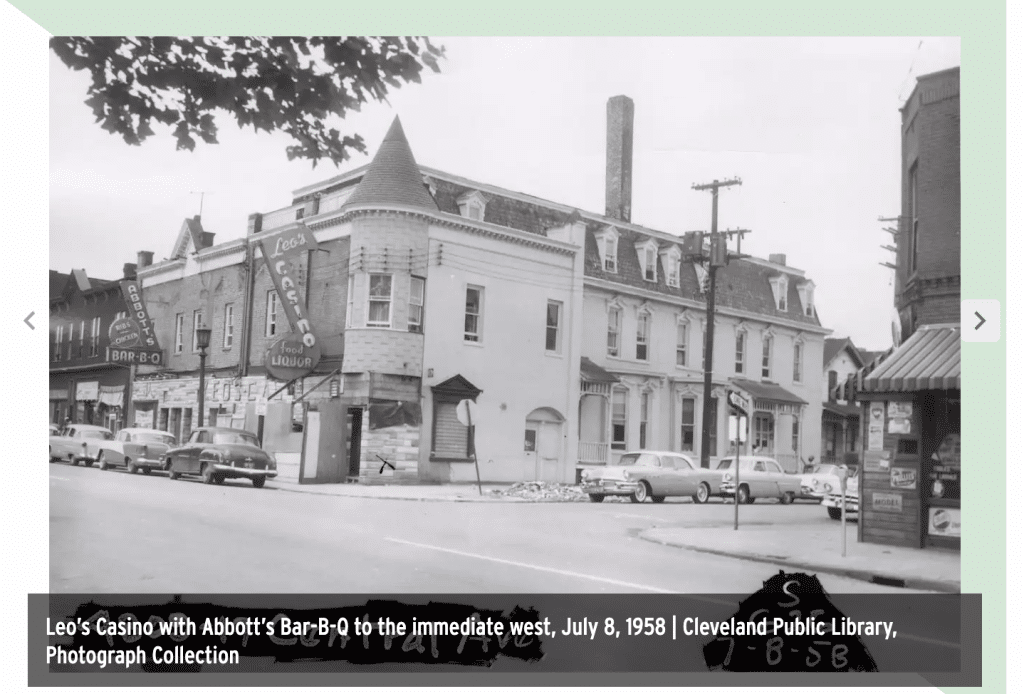
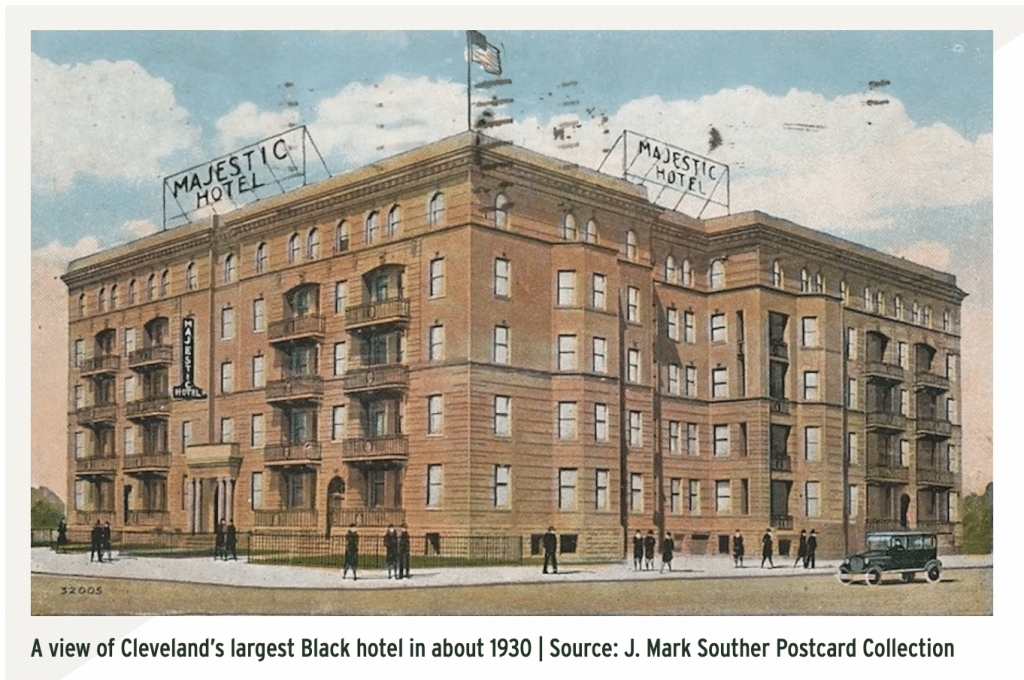
Above photos from Cleveland Public Library collection.
The gathering marked a turning point in a 15-month process led by MidTown Cleveland and a coalition of partners. After months of listening sessions, work groups, oral histories, youth meetings and community events, this was a public handoff: the team was bringing the framework back to residents to ask, in effect, “What now?”
What this is not, the speakers said, is another plan to sit on a shelf. It is a roadmap — one meant to guide investment, strengthen resident power, and preserve Hough’s cultural identity as change continues around it. “Hough doesn’t need any additional planning,” said Rhodes. “The neighborhood needs a structure that connects existing plans, active organizations, funding streams, and current investments.”
Defining Cultural Preservation
Rhodes’s firm, the Rhodes Heritage Group, was brought in through a MidTown Cleveland RFP (request for proposal) process. As president of a national cultural preservation practice, Rhodes described an approach that looks beyond the historic value of a place to its “future value” — and how residents benefit from the investment already underway.
For Rhodes, cultural preservation extends beyond buildings and historic markers. It includes the less tangible parts of a place: music, memory, patterns of gathering and the sense of belonging that ties them all together. That emphasis on lived culture shaped the project from the outset. Rather than imposing a definition, Rhodes said, “we didn’t define culture for Hough — Hough already knew.”
This work builds on earlier efforts: conversations around Leo’s Casino and Euclid Avenue’s musical history, the East 66th Street streetscape planning process, and a 2023 trip to Memphis, Tennessee, that helped everyone begin to think in terms of a cultural district, rather than a single corridor.
“Hough is Happening”
Giambroni described the project as the product of “a decade or so” of listening to residents — listening to the call for Hough’s history and culture to be retained and made visible.
“Hough is happening” became a refrain. The point wasn’t that culture needed to be created, but that a community already rich in tradition and culture can draw on its past to enrich the present and shape the future. Now, after years of listening, the work turns to action: to claim Hough’s cultural identity, give it structure and make it unmistakable.
Four Pillars
Rhodes organizes the work around four linked ideas, which she calls pillars: People, Place, Power, and Prosperity.
“People” centers on communication — a shared online system where residents, institutions, and partners can see what’s happening and respond in real time.
“Power” points to a proposed resident-majority governing body — not yet formed — meant to carry decisions forward and give community voices a role at the start of planning, not just the end.
“Place” is the visible side: streets, signage, public art and the revival of sites tied to Hough’s past, including Leo’s Casino, once a regular stop for touring jazz and R&B acts.
And “Prosperity,” finally, addresses how to hold ground as investment arrives, with tools like home repair financing, business support and partnerships with lenders and developers.
Why Now?
Why now? Rhodes and Giambroni pointed to a perfect storm of opportunity: the Cleveland Foundation’s move into the neighborhood, a decade of resident organizing, a backlog of earlier studies and a growing sense that it’s time to shift from discussion to execution.
“We want to talk about what can be,” Rhodes said, “playing offense instead of defense.”
Giambroni put it more bluntly: “We got to stop talking about stuff” and put “hand to plow.”
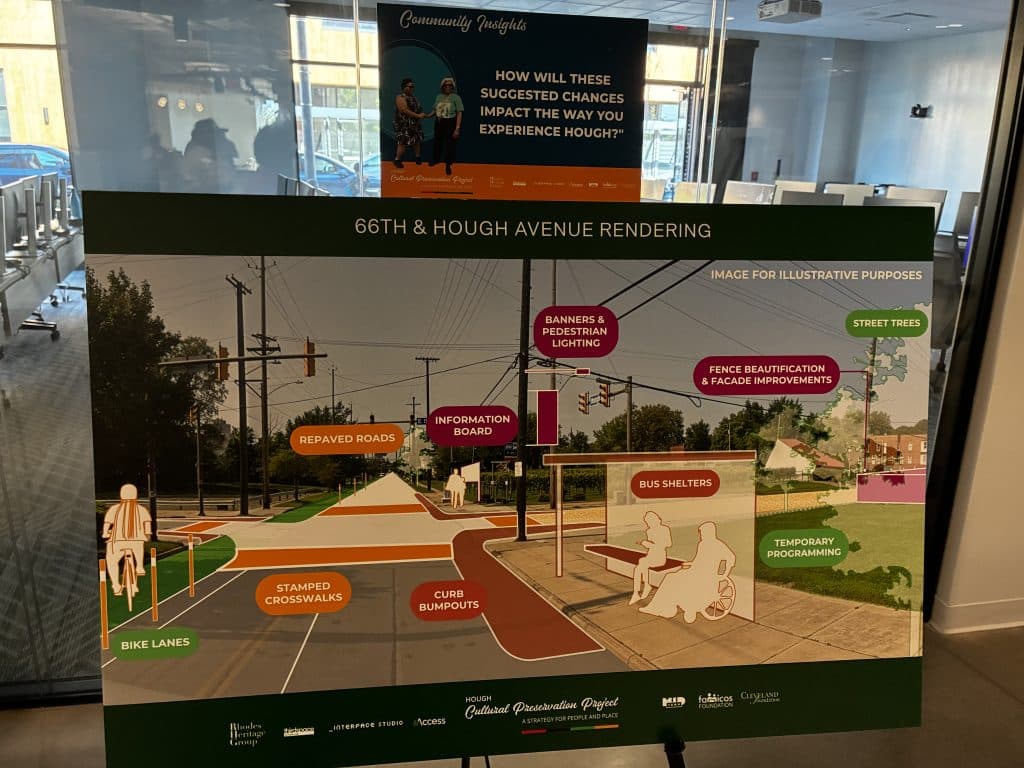
An early and important manifestation of the work is visibility. A neighborhood identity effort — banners, crosswalks, public art — is already in the works alongside the East 66th Street redesign, with the online communication system and the new governing board expected to follow. Funding will come from a mix of sources: philanthropy, public dollars, and project-based fundraising, assembled piece by piece.
Voices from the Community
The Town Hall was part presentation, part community check-in. Residents answered live polls about how they hear neighborhood news, where they gather, what makes them feel safe, and what decisions should belong to the community.
One of the evening’s most stirring moments came from Gwen Garth, who gave a clarion call: “What time is it?” And then, louder, “What time is it?” The answer echoed back: “It’s time for change!” Garth urged her neighbors to “tear down antiquated belief systems” and to build up togetherness.
Another voice came from Orion Gantz, a member of the Hough Youth Advisory Board. He spoke about realities — safety, mentorship, the need for places to gather — and what still needs to be done for young people to “grow, for real.”
Next Steps
Success, although difficult to quantify, was articulated in straightforward terms. Giambroni explained: “When you arrive in Hough, you should know where you are — not just on a map, but in spirit.” The next steps in the Hough Cultural Preservation Project include several significant actions aimed at fostering community involvement and ensuring the plan’s ongoing relevance.
First, the framework will be finalized and then presented back to residents this summer for their feedback. Alongside this, efforts will focus on establishing a resident-majority governing board to facilitate community decision-making.
Additionally, work will commence on developing a Hough visual identity, which encompasses signage and community markers. Another vital element is the creation of a communication system designed to keep residents informed while minimizing repetitive inquiries about their needs and concerns.
Finally, the launch of a Community Playlist, hosted on Spotify, will allow residents to collaboratively compile a collection of music that reflects Hough’s cultural identity. Residents are currently adding songs.These initiatives highlight the ongoing commitment to engage residents and embody Hough’s unique spirit and legacy.
Ashley Shaw, MidTown Cleveland’s executive director, emphasized that the framework isn’t finished. Residents will help shape the next phase — including the governing board, neighborhood identity (signage), and the new communication system.
Looking Ahead
Rhodes returned to these themes at the close, reminding everyone that the work is about belonging — not only remembering what Hough has been, but making space for what it might become.
Giambroni put it another way: this is generational work. The conditions facing Hough took decades to form, he said, and real change will take time as well.“This isn’t something we get done in two years,” Giambroni said. “The question is — what Hough will the next generation inherit?”
We're celebrating four years of amplifying resident voices from Cleveland's neighborhoods. Will you make a donation to keep our local journalism going?
Author

Related Articles
New Ohio voting rolls part of larger national movement
Voters in more than 20 states will be faced this year with new laws for registering to vote and casting ballots. Nearly 40 laws are taking effect for the first time in this year’s midterms, mostly in Republican-controlled states.
Cleveland is now a City of Peace but what does that mean?
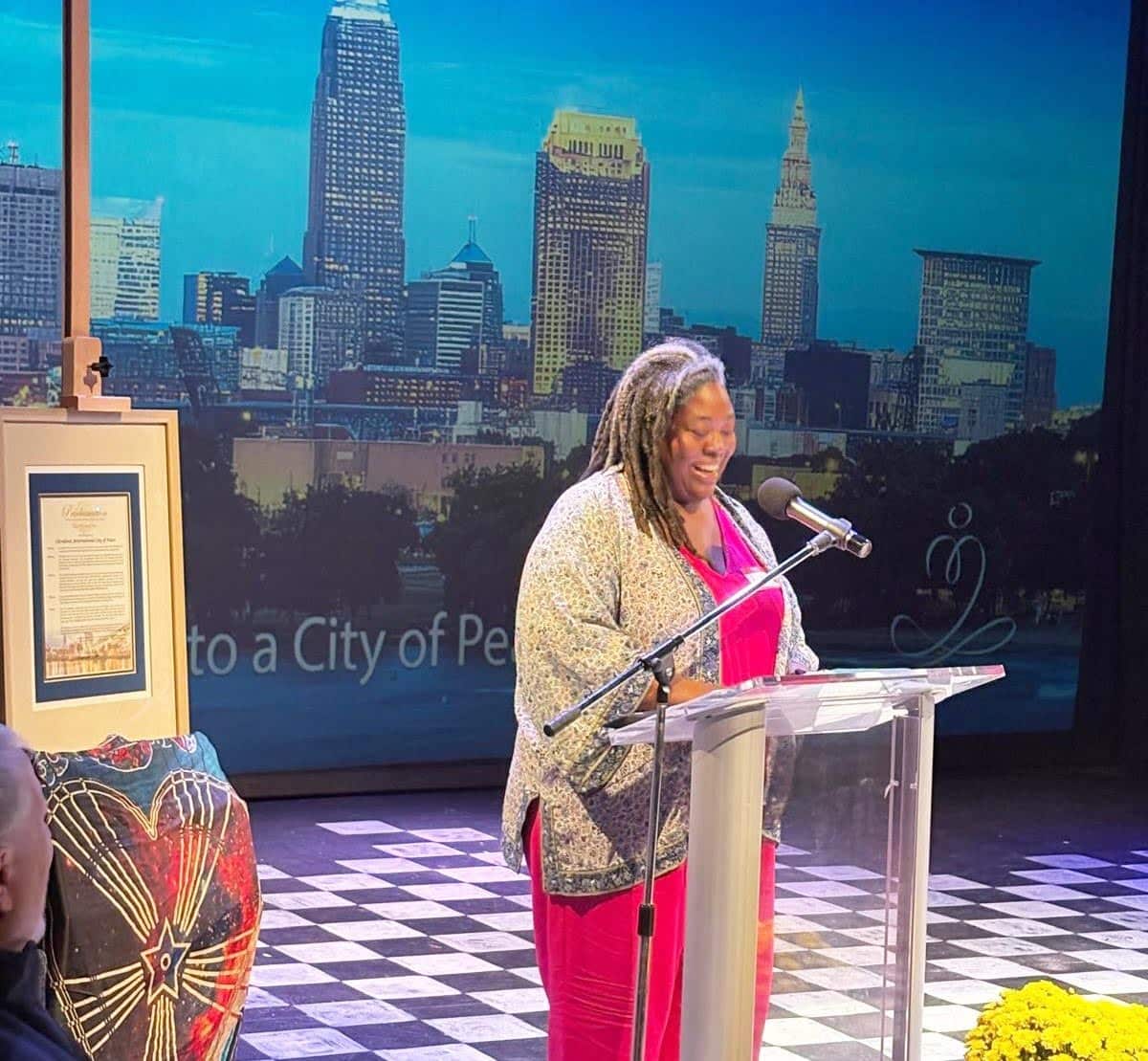
Last year, this proclamation, which is a symbolic commitment to advancing peace, was announced on the stage of the LatinUs Theater in the Pivot Center located on W. 25th Street.


