
Creating the perfect pollinator garden this spring in Lakewood
Here’s how you can help butterflies, bees and other pollinators this spring and summer.
Let’s be honest, No Mow May isn’t going to save the planet, but there is a lot you can do right here in your own Lakewood yard to help the plight of the pollinators. As we enter spring, the Monarch butterflies again become a concern for Northeast Ohioans. The butterflies winter in Mexico before returning north to Ohio in spring and early summer, where Lakewood residents welcome them with open arms, trading grass lawns for native plants, skipping the use of herbicides and pesticides and waiting until spring to clean up leaf litter and stems.
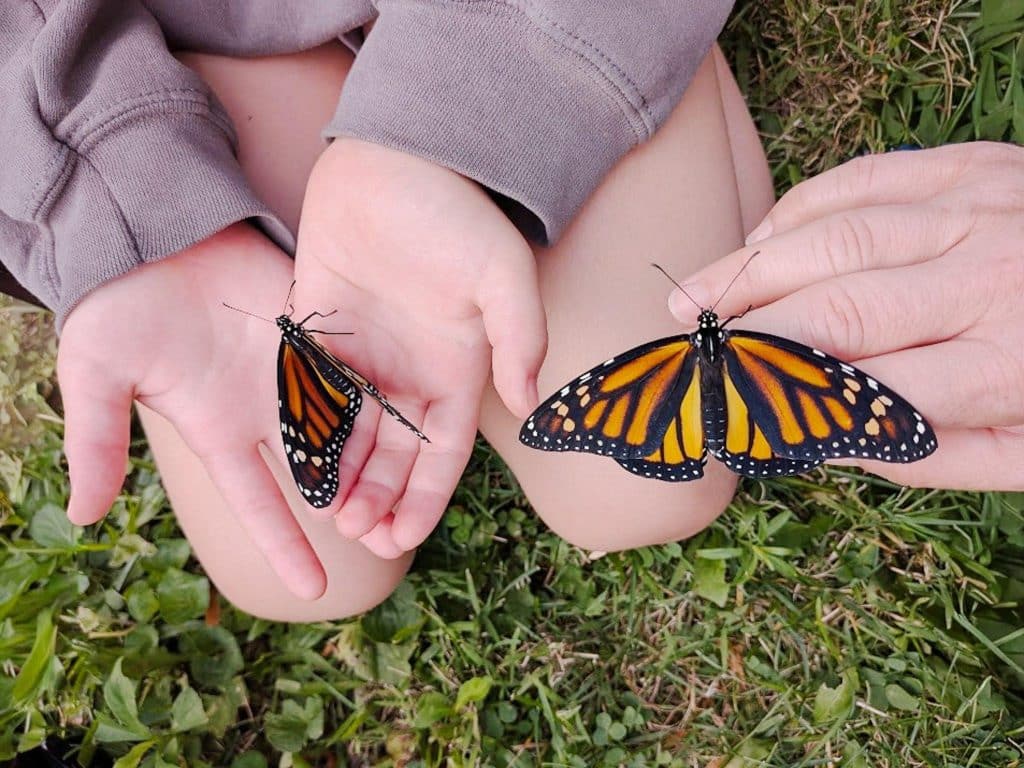
Plight of the Pollinators
Monarchs are just one of many kinds of pollinator species that play a vital role in the health of our environment, and these simple acts help protect more than just the butterflies. Pollinators are species that move from plant to plant, carrying pollen and allowing fertilization. Beetles, birds, bats, butterflies, fireflies, moths and wasps are examples of types of pollinators.
Many of our favorite foods require pollinators for fruit production, including many of Ohio’s crops, like apples, blueberries, pumpkins and tomatoes, amongst others. According to the U.S. Fish and Wildlife Service, “as much as 35 percent of the world’s food crops depend on pollinators to reproduce.”
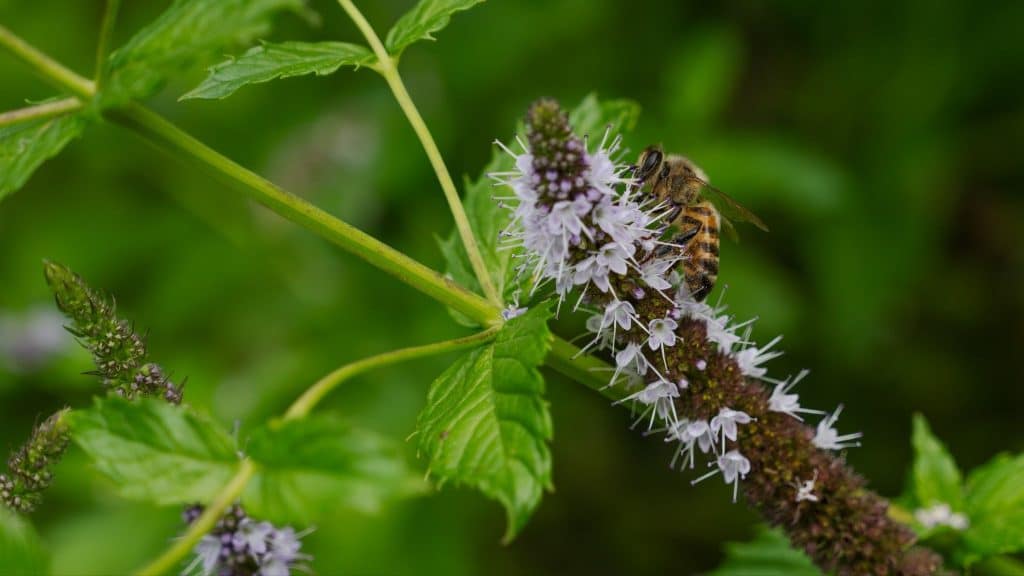
For a quarter of a century now many pollinator species have experienced a significant decrease in population, including the Monarch butterfly.
“As much as 90% of the monarch butterfly population in some US regions has been wiped out in recent decades, and evidence has pointed to pesticides, climate crisis and habitat loss as the drivers.” An August 2025 article in The Guardian explores the 2024 mass die-off of Monarch butterflies in California. In that case, the presence of a widely-used pesticide suggested the cause of the die-off was exposure to nearby residential pesticide use.
Climate change is disrupting the growing cycles for many of the plants the butterflies need to feed on, causing a reduction in food and shelter. We’ve also seen a higher number of extreme weather events, like storms, droughts and unseasonal freezes. Warming temperatures can cause Monarchs to migrate early and arrive before the milkweed is ready to support their larvae.
The Monarch butterfly cannot reproduce without milkweed, as it is the only plant its caterpillars can eat. As we have developed the land, we have replaced native plants with manicured grass lawns, and the Monarchs are losing the habitat they need to insure their survival.
What are our neighbors doing to help the monarchs and other beneficial insects? And what can we do to help them? We talked with Amy Roskilly, conservation education and communications manager at the Cuyahoga Soil and Water Conservation District (SWCD) about what local residents can do to help the pollinators.
Grass lawns became popular as a symbol of wealth in the 18th century. Having a perfectly manicured lawn required a tremendous amount of labor and resources, making lawns a symbol of “not having to farm the land,” says Roskilly. “But we don’t need lawns. They don’t provide anything but work, and they require a lot of money and chemicals to maintain.”
An all-grass lawn, Roskilly explains, absorbs very little water, and the run-off carries chemicals from the fertilizers and pesticides into our storm drains, which go to our waterways untreated. This run-off also creates hazardous flooding conditions, not only causing flooding concerns outside, but also in the homes of our local century homes through our basement drains.
In other words, helping our pollinators helps us too.
Removing Invasive Plants & Supporting Native Plants
Residents can have an impact at home by removing any identifiable invasive species and planting native species on their property. Where native flowers feed our native pollinators, invasive species invite other invasive species, putting our crops at risk.
As far as native plants and pollinators go, Roskilly says, “If you plant it, they’ll come.”
Unfortunately, the same can be said for invasive species, such as the tree of heaven, a highly invasive tree native to China, which was brought to North America in the early 1800s as a food source for silkworms. The tree of heaven is the host plant to the Spotted Lanternfly, a type of planthopper insect that is also native to Asia, first discovered in North America in 2014. The widespread presence of trees of heaven in North America has allowed the Spotted Lanternfly to spread throughout the country.
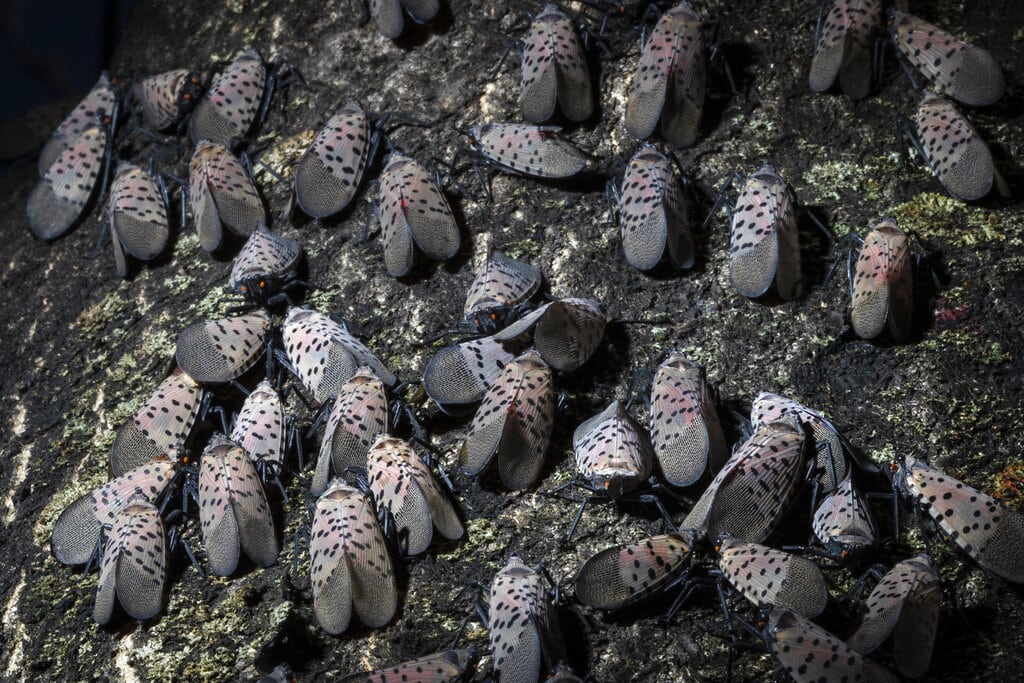
Just in the last couple of years, Northeast Ohio has seen an alarming increase in the number of Spotted Lanternflies. According to the Ohio Division of Natural Resources, these pests are a significant risk to Ohio’s $6 billion grape and wine industry. Grapes are a favorite food of the Spotted Lanternfly, and infestation causes devastating crop damage.
Experts recommend residents squish the Spotted Lanternflies, their nymphs and their egg sacks as well as remove trees of heaven.
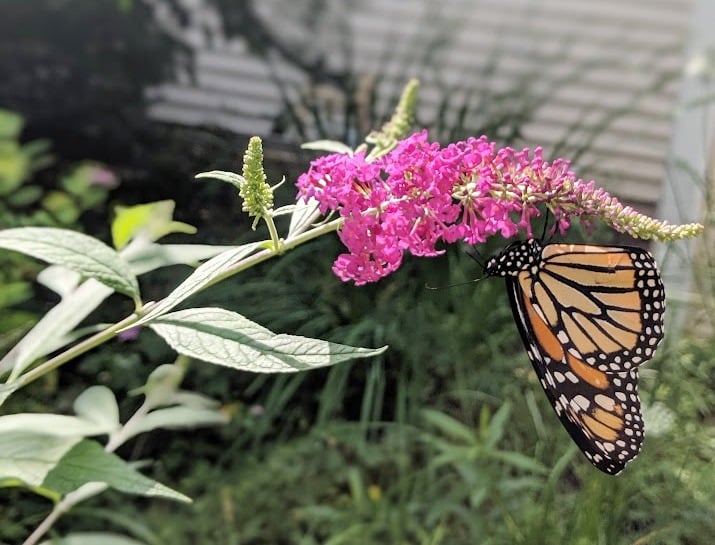
Another plant to remove – the butterfly bush. “They’re beautiful, but -” says Roskilly, “it’s basically junk food for the butterflies.”
The foliage doesn’t support native caterpillars either. And because the butterfly bush has tiny seeds that spread in the wind, it spreads from gardens to other natural areas easily displacing native plants that do feed them.
Supporting Native Plants
In Lakewood, many residents are already taking steps to support the pollinators and naturalize their lawns. Even the schools are involved.
Emily Christescu grew up gardening with her mom. When they bought their home in Lakewood in 2015, Christescu recalls, “it was my first yard to garden.” She found common milkweed growing in her lawn and pulled it, thinking it was a weed. But after some research and realizing that it is a beneficial native plant, she developed an interest in native plants.
In 2020, Christescu, together with help from Keep Lakewood Beautiful, planted a flat of native plants in an existing bed by the Solstice Steps at Lakewood Park. Last year, she entered a contest, the Cuyahoga SWCD’s annual “Native Plants are Awesome” contest where participants choose one of 16 native plants. The public votes for their favorite, and winners are awarded 50 native plants. Though she came in 3rd place with the black-eyed susan, the Cuyahoga SWCD decided to offer plants to the top 4 winners.
The plants were donated to Harrison Elementary School, where Mrs. Hickey and the student garden club planted and maintain them.
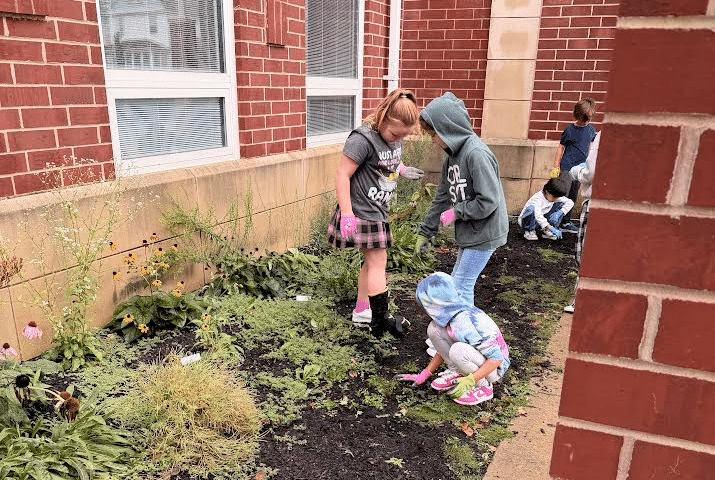
“If you want to introduce natives and help them thrive at home, test your soil first,” suggests Roskilly. Free soil testing kits are available from the Cuyahoga Soil and Water Conservation District.
Native plants are becoming popular with Lakewood residents.
Lakewood resident Babette Gowda recommends planting natives because they’re easy to grow and fun to gift.
“Native plants grow rapidly and can help reduce invasive species. And you can give away any extras,” Gowda explains.
Here are some local favorite native species to plant, according to our interviews.
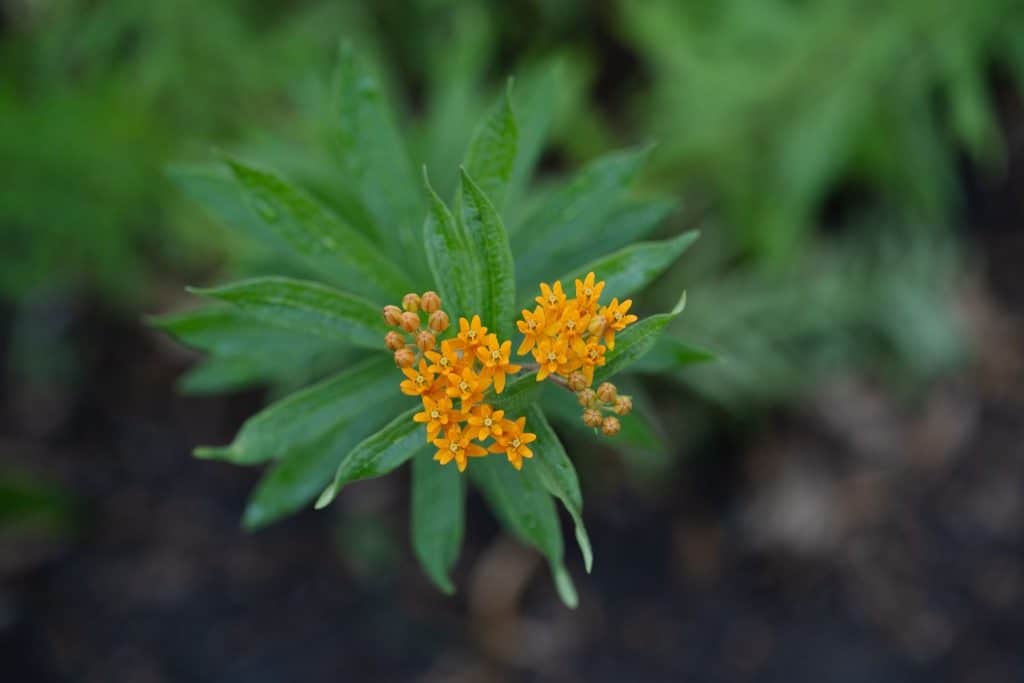
Milkweed
There are many types of milkweed that are native to Ohio, but species often found at local nurseries include common milkweed, swamp milkweed and butterflyweed. All are perennial flowering plants that will sustain the Monarch butterflies through their larval period.
Ohio spiderwort
“Ohio Spiderwort is one of the first plants to bloom in spring, and it’s a beautiful plant. Once it dies back, other plants will fill in over the summer,” says Roskilly.
Goldenrod
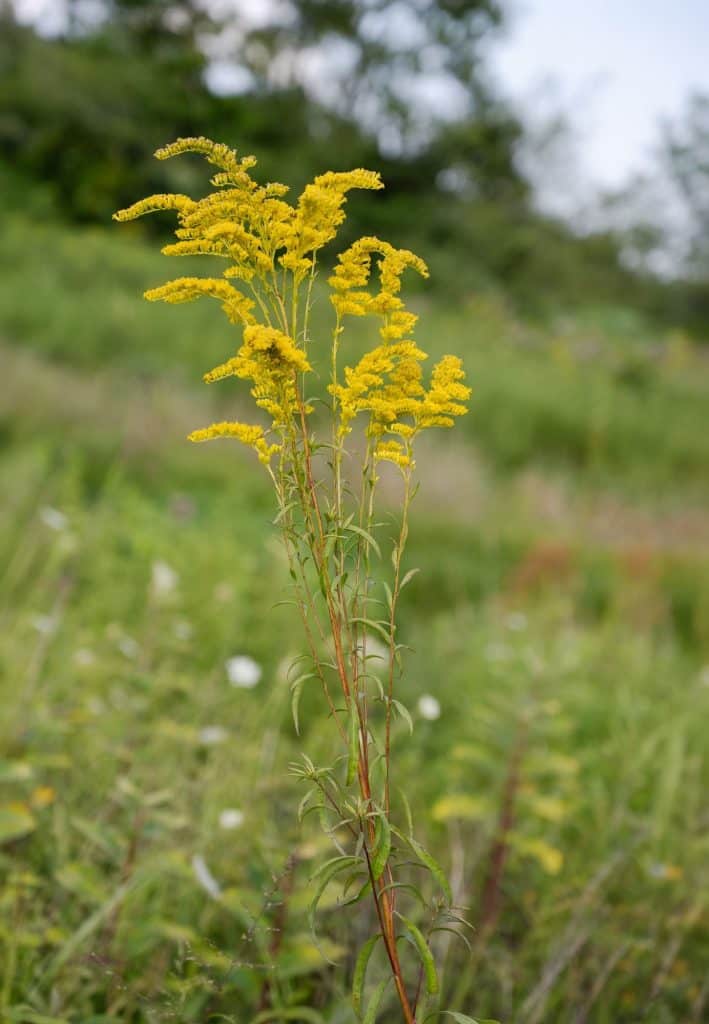
Goldenrod is one of the last plants to bloom in the fall, offering stunning amber blooms and an important late season food source for pollinators.
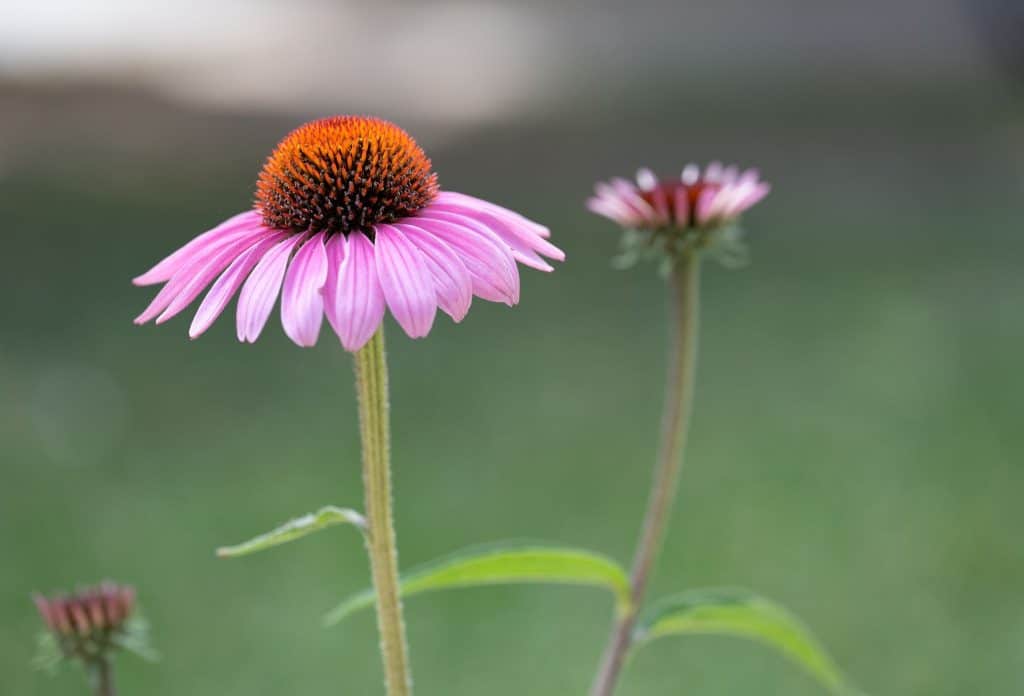
Purple coneflower
When shopping for the purple coneflower, or echinacea plant, be sure to confirm that the plant you are buying is a native species. “If it has quote marks around it or a funny name,” says Roskilly, then it’s probably not a native.
Where to Buy Native Plants
Lakewood residents have lots of great local options for purchasing native plants, starting with two residential micro-nurseries.
Webbotanical on Ridgewood Road offers native perennials, amongst other plants. Owner Alyssa Webb sells at the weekly North Union Farmer’s Market at Madison Park in Lakewood seasonally on Wednesdays. Webb also offers various Open House and sale events throughout the year at her residential nursery. Find more information at https://www.webbotanical.com
Owner of residential nursery Druid Greenhouse on Newman Avenue, Claire Campbell, says her goal is to eventually sell only Ohio native plants. She is passionate about native species and offers plants through her website at https://www.druidgreenhouse.com/.
Campbell offers an insightful tip for residents.
“It’s not about being perfect,” she says. “People think they have to do everything right, but if one or two people do everything right, it’s not as effective as everyone doing one or two things right. You don’t have to be a huge gardener. If you plant easy-to-grow natives in your yard, it’ll make a huge difference.”
The Cuyahoga Soil and Water Conservation District hosts spring and fall plant sales and sells seeds on their website at https://cuyahogaswcd.org/native-plant-sales/.
Winter Sowing
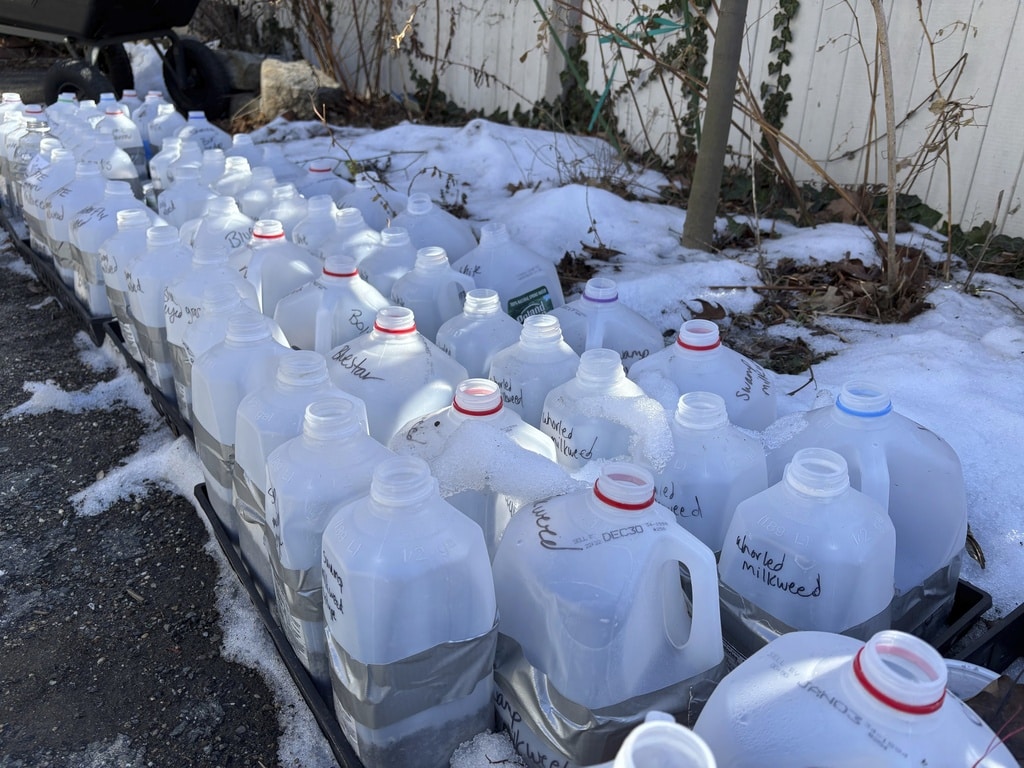
Another way to get your native flower garden started is winter sowing. Allison Welch, Lakewood resident since 2010, gave up her lawn in 2020 for a native pollinator garden and recommends winter sowing native seeds as an affordable alternative to buying plants.
Many perennial and native plants, including Milkweed, rely on cold weather stratification for seed germination. Seeds go dormant after dropping to the ground in fall and begin to grow only in the spring once temperatures have risen. Winter sowing is a way to create mini greenhouses, usually in recycled containers, that maintain moisture and protect seeds to increase germination rates in the spring.
Welch lists the steps needed to grow native plants using the winter sowing method.
- Cut any empty, clean gallon size milk or water jug in half. Or if using a jug with a handle, cut it almost in half, leaving a hinge of plastic on one side.
- Poke several small holes into the bottom for draining.
- Fill the bottom with a few inches of soil and plant your seeds.
- Label each container with species and date planted.
- Mist with water and close the container with duct tape
- Place in a sunny area that receives rain.
As the temperatures start to increase in spring, seedlings will begin to emerge. As they grow, loosen or remove the lid or cut slits for ventilation and keep the seedlings damp. Once temperatures are consistently above freezing and have two or three sets of leaves, they are ready to be transplanted into your yard.
Skip the chemicals, and leave the leaves
What else can we do to help the plight of the pollinators? Stop spraying pesticides and herbicides in our yards.
“If you poison anything in [the food chain], it poisons everything above it,” says Welch.
That’s not just true in the spring. At the end of the season, it’s best to leave your yard a little messy anyway. Biodiversity is beneficial to our local ecosystem, and those fall leaves have an important role to play.
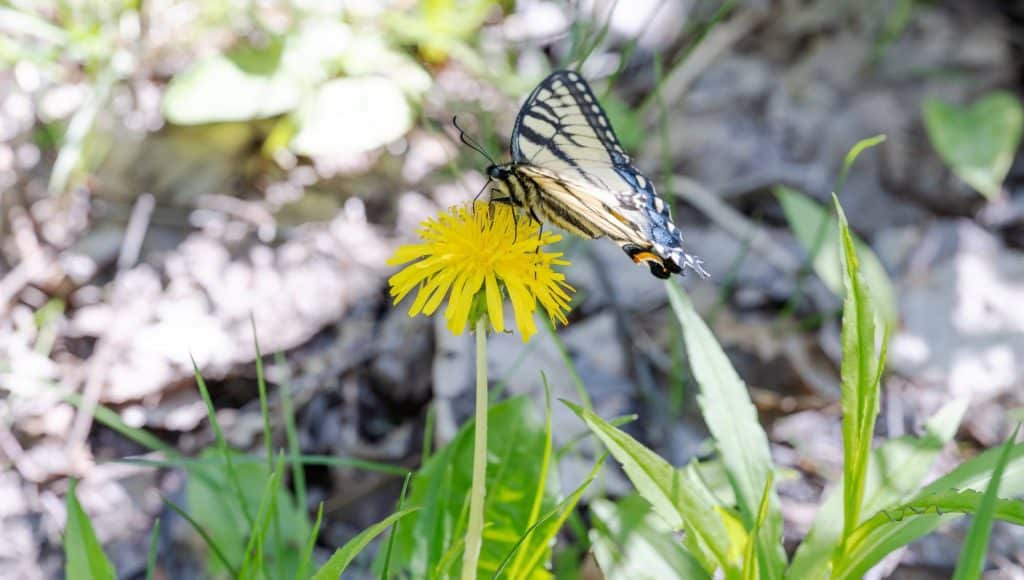
When leaves fall from the trees, they provide crucial winter habitats for pollinators and other beneficial insects.
“In October, your plants look like they’re dying, but it’s very important to leave them,” says Roskilly. “The stems, leaf litter – all of that is habitat for anything that needs to overwinter, life for next year.”
Removing the leaf litter is “taking away lightning bugs, butterflies, anything you want or need around the garden.”
The best thing to do is to leave them where they fall or rake them into flower beds or under trees. And those dead flowers?
“Don’t cut plants down just for looks – let them go to seed to feed the wildlife,” says Gowda. “It’s important to support wildlife into the winter.”
“Due to habitat loss and other issues, we are losing our insect population, which is food for our migrating birds,” explains Welch. “When we plant natives, it’s like a salad bar for the wildlife. We want our plants to be eaten. It’s a different way to think about planting.”
Other important pollinators, like our native bees, need plant stems to lay their eggs and store food over winter. Now that it’s spring, experts recommend cutting the dead stems to 8” or more and leaving them for a couple of years before removal.
Additional Tips
When planting natives, don’t just look to your flower beds. Trading your lawn for a diverse garden of native flowers is beneficial to the environment.
If you want hummingbirds, another great pollinator species, to visit the garden, you’ll want to plant native plants with longer flowers to accommodate the hummingbirds’ beaks. Roskilly suggests planting red or blue cardinal flowers, also known as lobelia. She also recommends marking your plants with a metal or other marker that will last outdoors.
“You won’t remember what you planted where,” says Roskilly. She keeps an Excel spreadsheet to keep up with all she has planted in her garden at home.
Don’t forget that trees are also great resources for pollinators, and native grasses have long root systems that help stabilize the ground and absorb water.
The Cuyahoga Soil and Water Conservation District offers additional tips, resources, classes, and native plant sales.
Additional resources for further learning
We're celebrating four years of amplifying resident voices from Cleveland's neighborhoods. Will you make a donation to keep our local journalism going?
Author

Related Articles
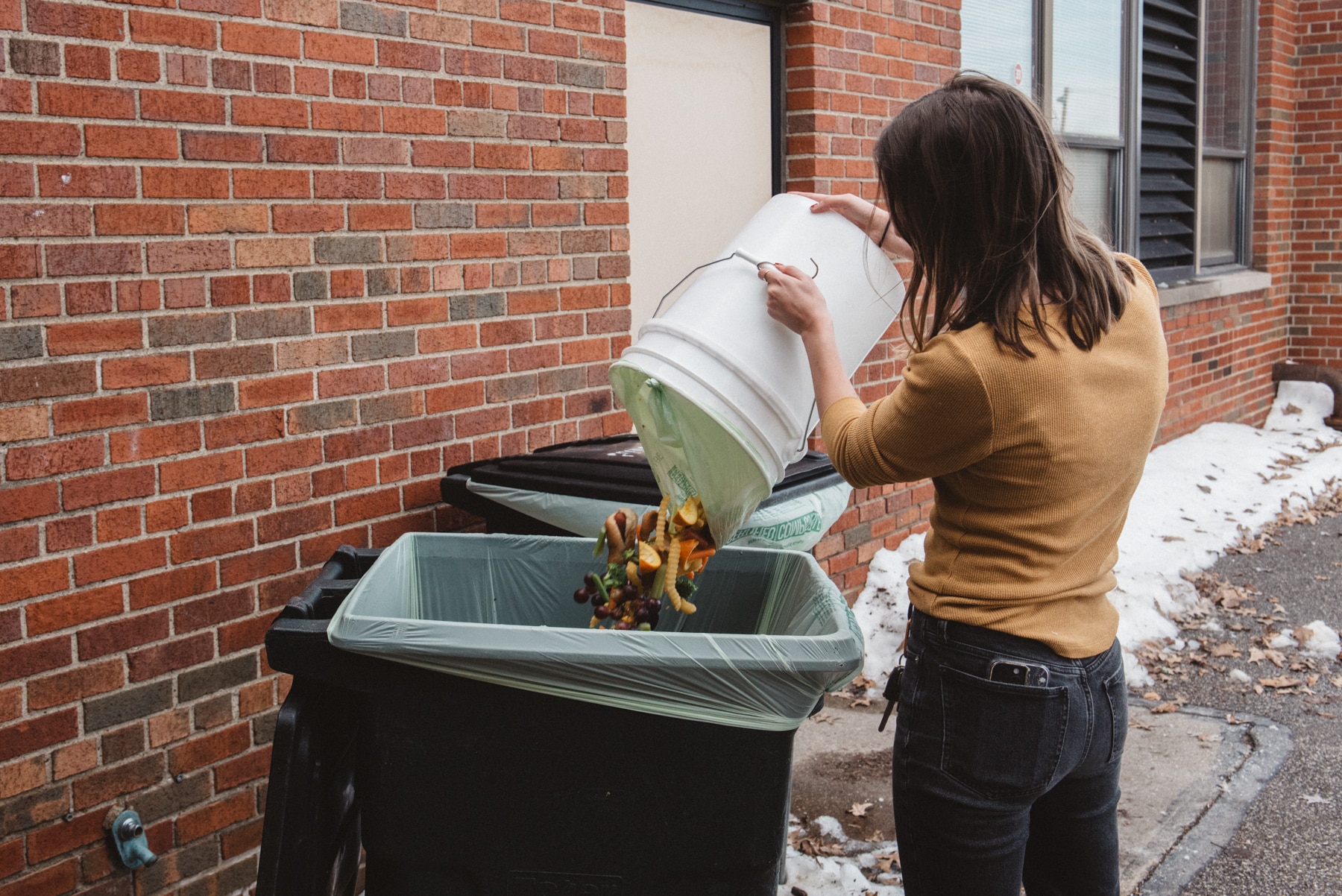
Northeast Ohio schools’ composting merges sustainability, student action
Schools throughout Northeast Ohio are turning food scraps into productive, environmentally-beneficial soil.
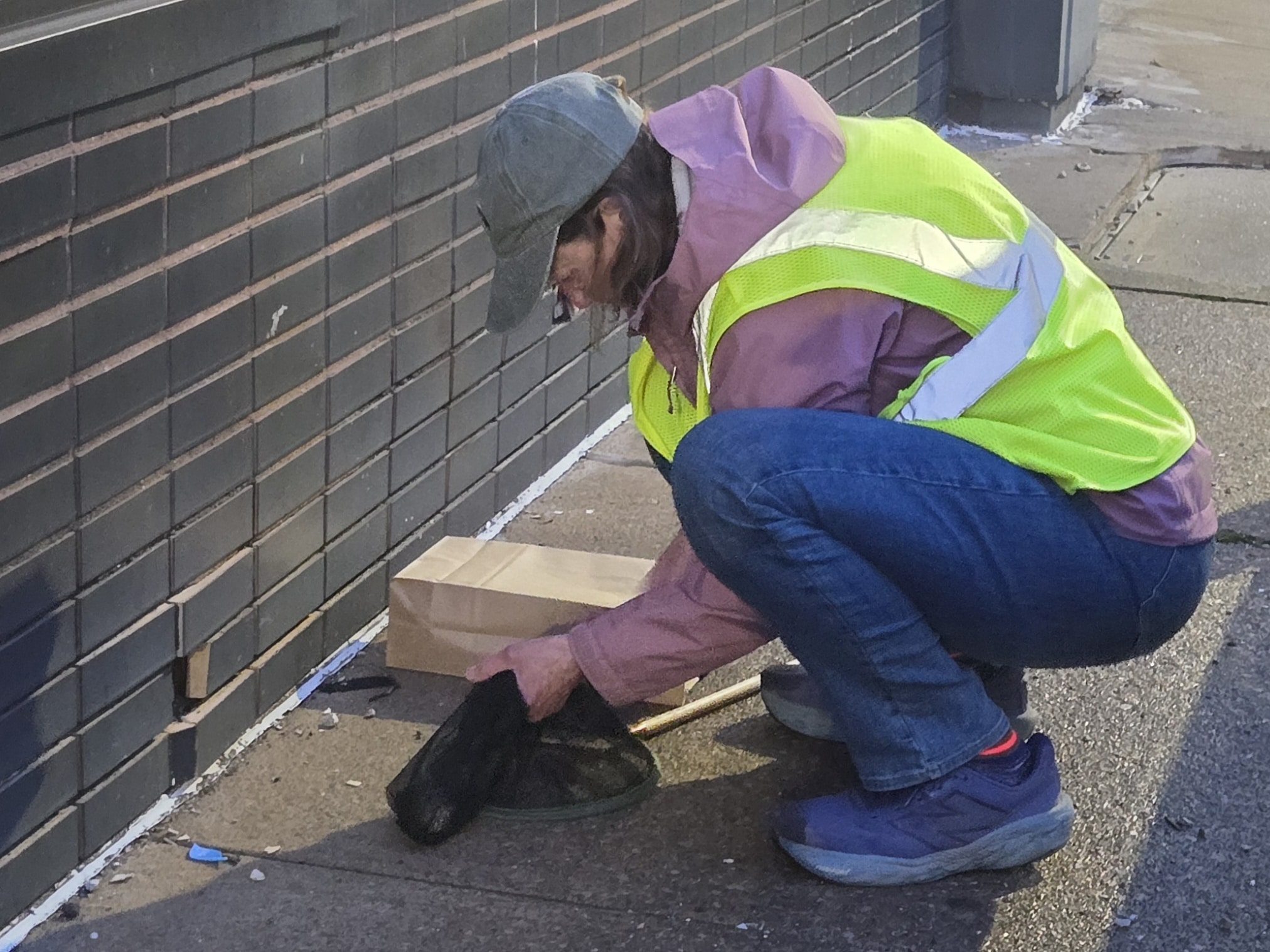
Leave the lights out for them: How a Cleveland group is trying to save the birds
Downtown Cleveland’s mass of lights and buildings can be deadly for birds. Luckily, there’s a local group trying to save our flying friends.

World-famous birder urges inclusivity, conservation during Cleveland talk
The noted author and birding enthusiast – famous for his racially charged encounter with a woman in New York’s Central Park – may have been preaching largely to the choir, but his message of inclusivity was welcome and deeply inspiring nonetheless.


