
Jewish Federation holds Tu Bishvat event at Rid-All Green Partnership in Kinsman
Tu Bishvat is one of four Jewish New Year celebrations. Tu Bishvat is a day to reflect on their connection to the land and nature as well as spiritual growth. In modern times, many participants will plant trees, and consider the holiday similar to Earth Day.

On the evening of February 11, the Jewish Federation of Cleveland honored the Jewish New Year of Trees, Tu Bishvat, at the Rid-All Green Partnership’s event space in the Kinsman neighborhood in Cleveland. According to the co-chair of the event, Renny Wolfson, the event was intended to be a night to both celebrate the environment and bring people together to make new connections.
Tu Bishvat is one of four Jewish New Year celebrations. As part of the commemoration, observers count the years a tree has been living and producing food. Based on Deuteronomy 14:28-29, Jewish farmers follow rules for tithing their produce to the temple, donating food for the needy, and selling their produce. And so this holiday was founded to help track the annual food production. Tu Bishvat is a day to reflect on people’s connection to the land, and nature, as well as spiritual growth. In modern times, many participants will plant trees, and some consider the holiday similar to Earth Day. The Jewish Federation has often held events on Tu Bishvat and plans to continue to help the community connect with environmental and sustainability causes. Many people with connections to sustainability causes in Cleveland attended the 2025 event.
Speakers at the Feb. 11 event included Marc White of Rid-All, Jason Powers of Cleveland Neighborhood Progress, and Judge Dan Polster, a volunteer leader with the Cleveland Jewish Federation. White presented on the history and mission of Rid-All Green Partnership. What started as a 1.33 acre farm, and included the cleaning up of an illegal dumping ground, has grown into 18 acres with a farmers market, aquaponics, and international partnerships.
Powers spoke of participation, partnerships and resilience. He remarked on the importance of trust in communities and the importance of individuals coming together to make change.
Judge Polster has been the chair of the Jordan Cross-Border Subcommittee in the Jewish Federation for more than twenty years. The Subcommittee is tasked with helping bring peace between Israel and Jordan. The Subcommittee started by connecting farmers to sustainable best practices, without using pesticides, instead encouraging the use of predator species such as owls. After the speakers, celebrants were encouraged to discuss their own environmental concerns and discuss how to connect with community environmental groups or other interested parties.
Rabbi Noah Leavitt of Oheb Zedek-Cedar Sinai Synagogue in Lyndhurst provided an explanation of Tu Bishvat. He said that we all should act with intention and take responsibility for caring for the Earth. Rabbi Leavitt prayed over the meal and gave a background and symbolism of the selection of foods. The meal included salad, bread, barley soup, pasta primavera, and chocolate cake. The seven species of a seder meal were included: wheat (in the form of bread), barley, (in the soup) grapes (presented as grape juice), figs (in the dessert), pomegranates (on the salad), olives (in the form of olive oil on the pasta), and dates (in the dessert). All the tableware was compostable and provided by Green Paper Products of Cleveland.
The Jewish Federation of Cleveland plans to continue to host annual Tu Bishvat events to help connect regional environmental groups and provoke conversation about sustainability.
Find a long list of environmental groups in the region and community Green Teams on the Cuyahoga Recycles website or connect with Sustainable Cleveland.
Keep our local journalism accessible to all
Reader support is crucial as we continue to shed light on underreported neighborhoods in Cleveland. Will you become a monthly member to help us continue to produce news by, for, and with the community?
P.S. Did you like this story? Take our reader survey!
Author
Related Articles
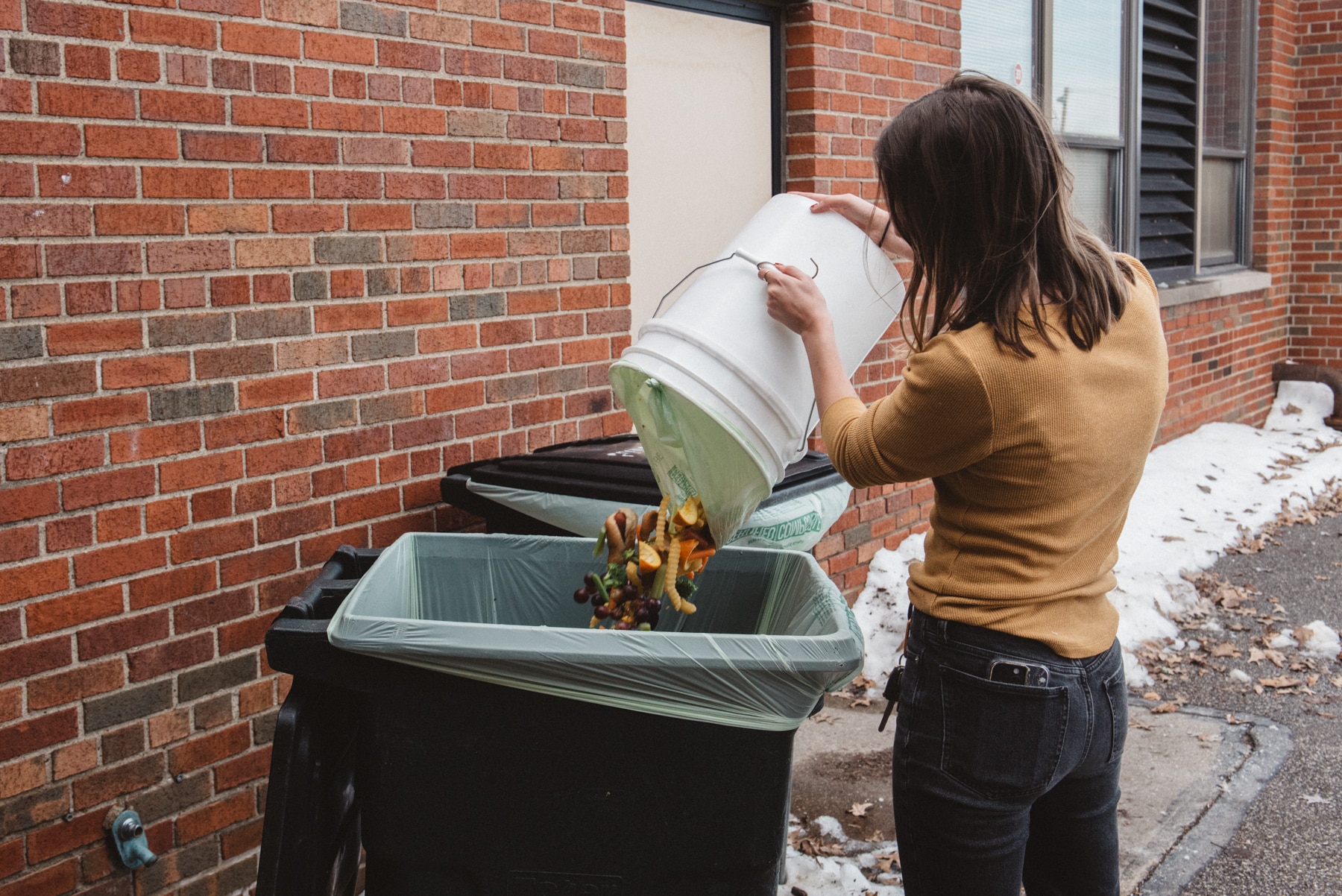
Northeast Ohio schools’ composting merges sustainability, student action
Schools throughout Northeast Ohio are turning food scraps into productive, environmentally-beneficial soil.
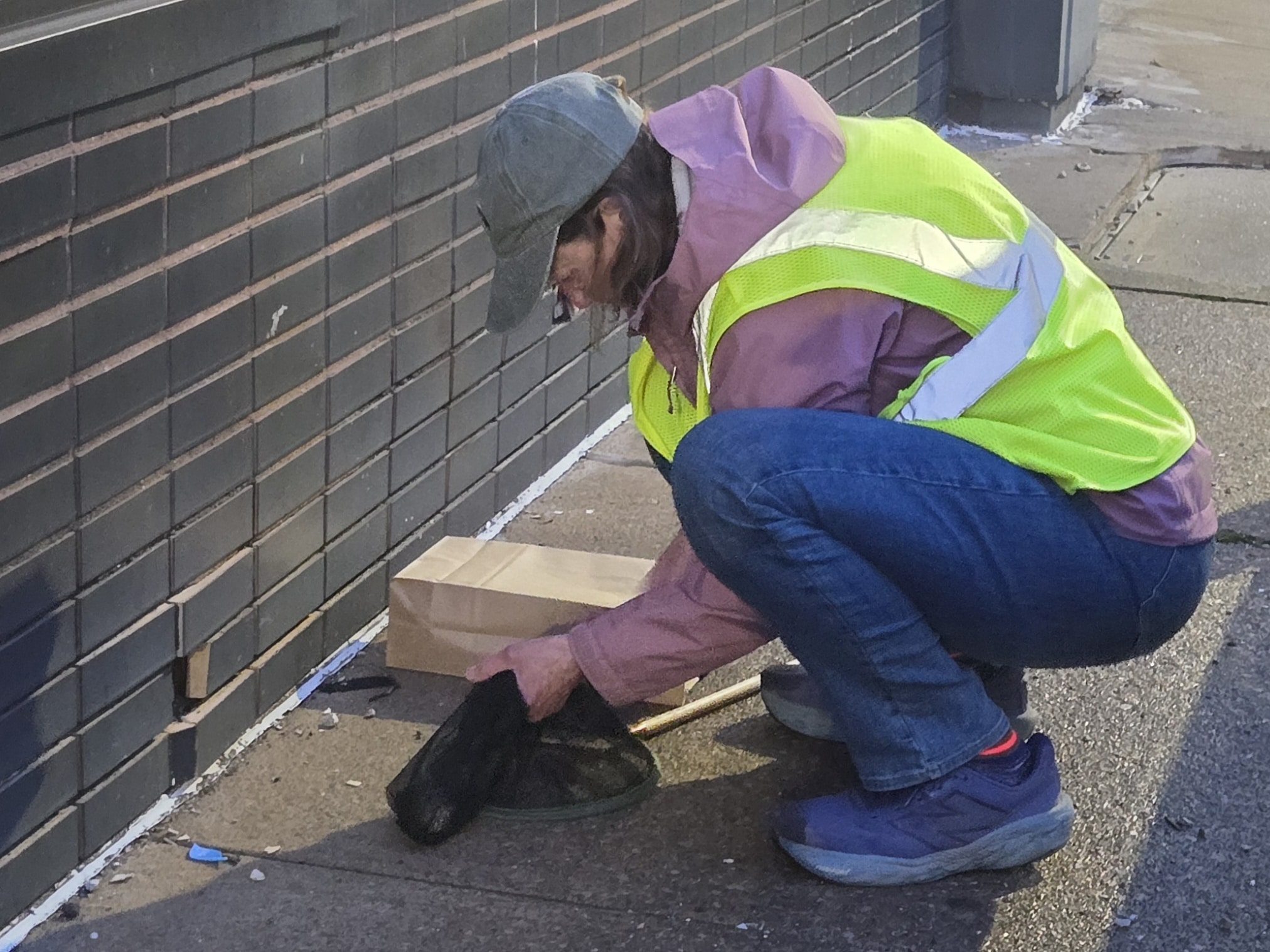
Leave the lights out for them: How a Cleveland group is trying to save the birds
Downtown Cleveland’s mass of lights and buildings can be deadly for birds. Luckily, there’s a local group trying to save our flying friends.
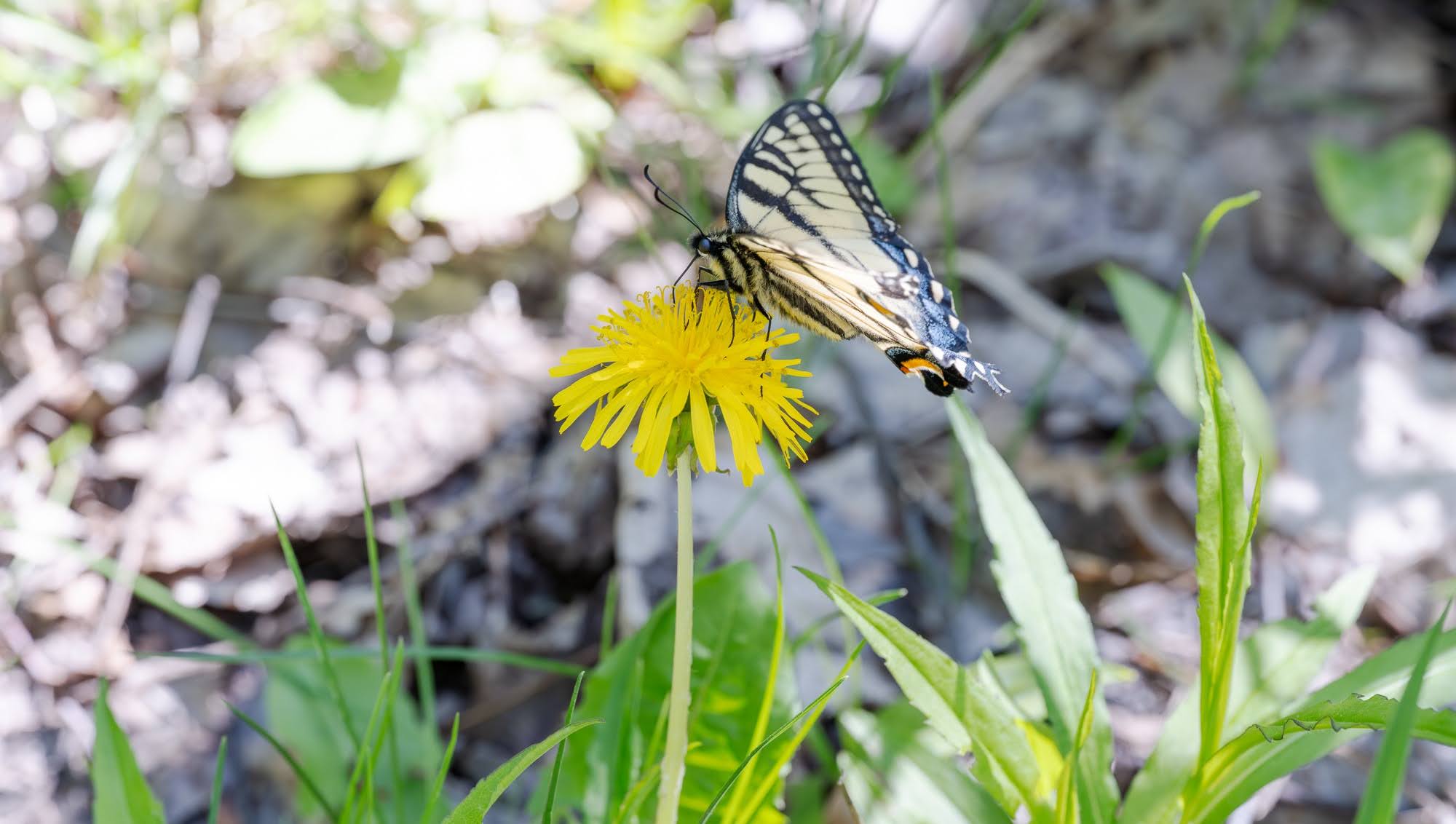
Creating the perfect pollinator garden this spring in Lakewood
Here’s how you can help butterflies, bees and other pollinators this spring and summer.


