
Keeping the history of Rock ‘n’ Roll alive means getting help from Clevelanders
From old vinyl records and reel-to-reel tapes to yellowing newspaper clippings and long-forgotten concert posters, experts stressed that Cleveland’s musical past lives in countless personal collections — many of them at risk of being lost.
Never throw anything away.
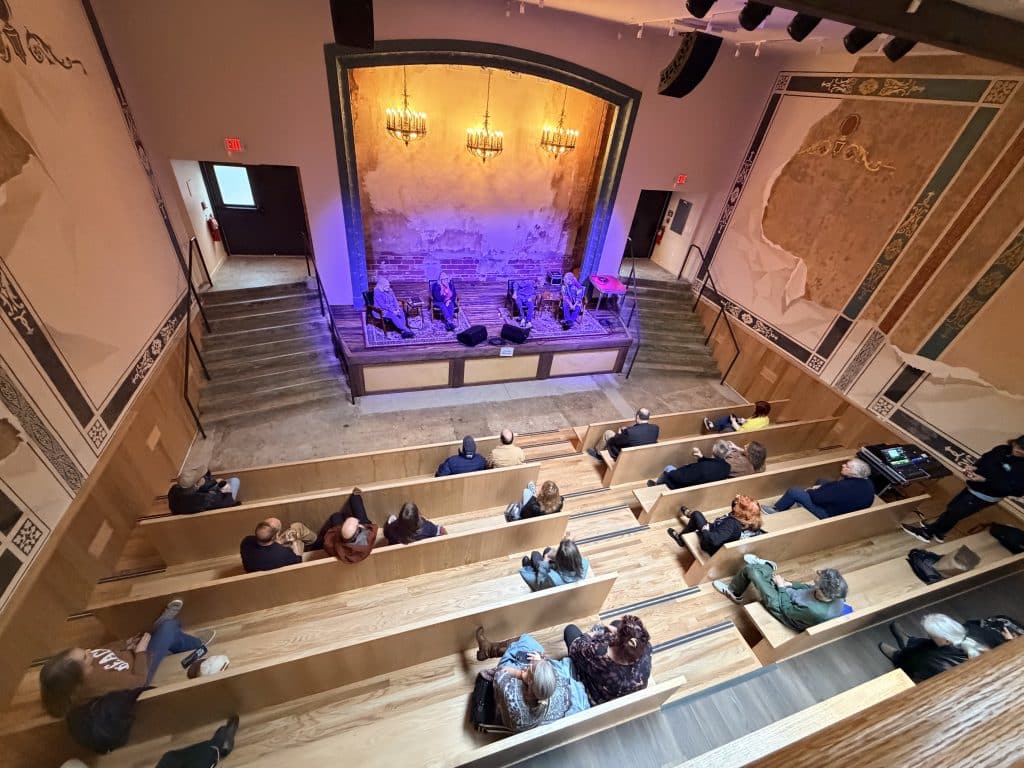
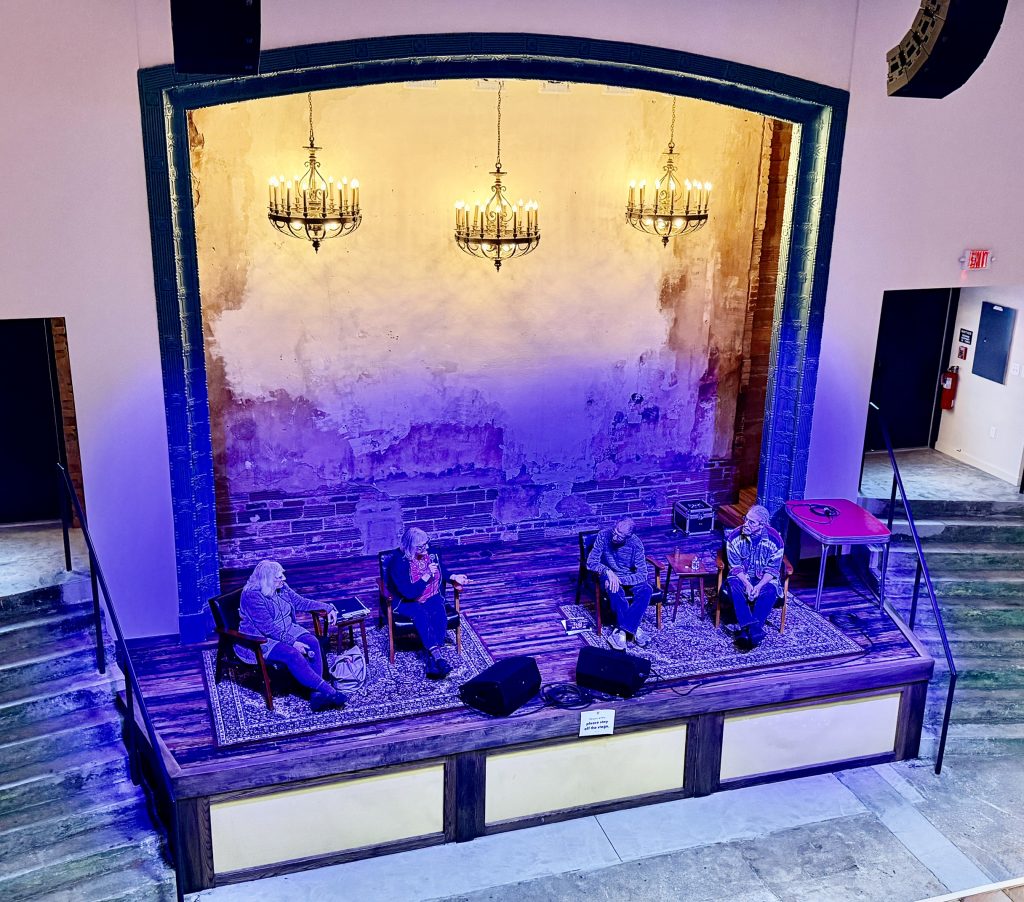
That was the guiding sentiment Wednesday evening, April 29, as club owners, musicians, journalists, photographers and fans gathered at Visible Voice Books in Ohio City for a panel discussion on preserving — and properly documenting — Cleveland’s rich music history. The event, staged by Cleveland Rocks: Past, Present and Future, drew a sparse crowd that was nevertheless eager to reflect on the city’s legacy and consider how best to safeguard it for future generations.
From old vinyl records and reel-to-reel tapes to yellowing newspaper clippings and long-forgotten concert posters, panelists stressed that Cleveland’s musical past lives in countless personal collections — many of them at risk of being lost.
“I thought it was really interesting, and it’s something I’ve always felt that we needed,” said Marie Vivolo, a retired music lover and a volunteer with various Cleveland arts organizations. “I’m glad that they’re bringing it to light and trying to get more people involved.”
Panelists included Carlo Wolff, a former freelance journalist who has written for Billboard, Goldmine and Downbeat, and is the author of “Cleveland Rock and Roll Memories;” Anastasia Pantsios, a photojournalist with work at the Rock and Roll Hall of Fame and on album covers for Eric Clapton, AC/DC and Patti LaBelle, and the author of “Girls to the Front: Girls: 40 Years of Women in Rock;” and Steve Traina, a DJ at WRUW and the author of “La Cave: Cleveland’s Legendary Music Club and the ’60s Folk-to-Rock Revolution.”
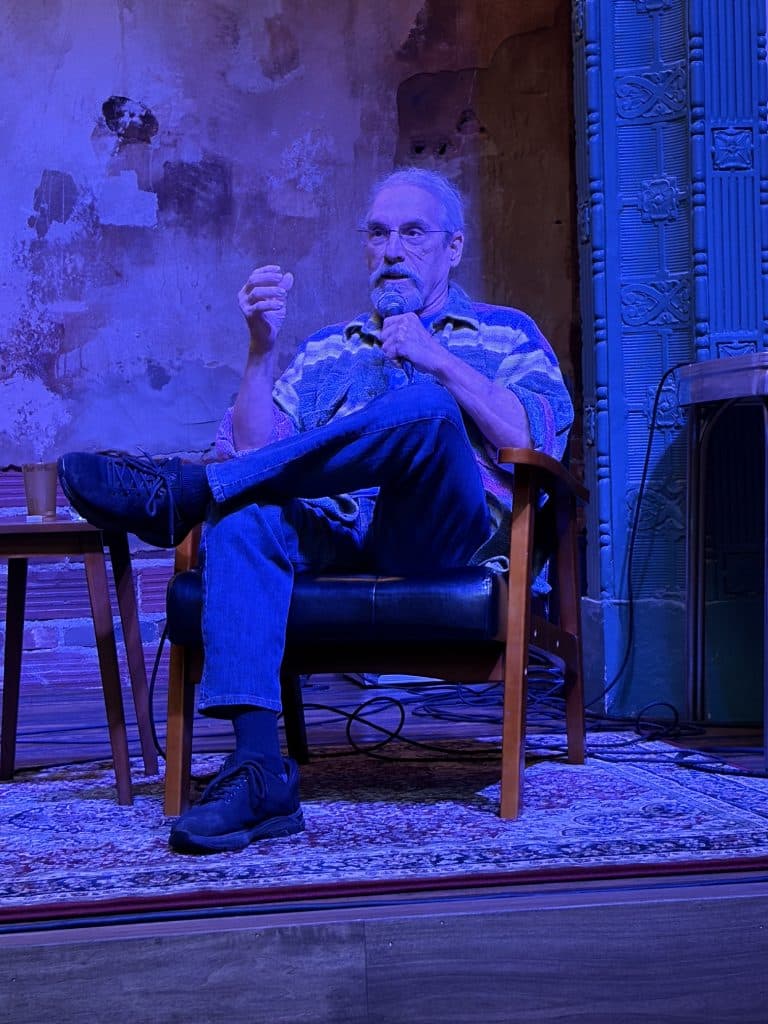
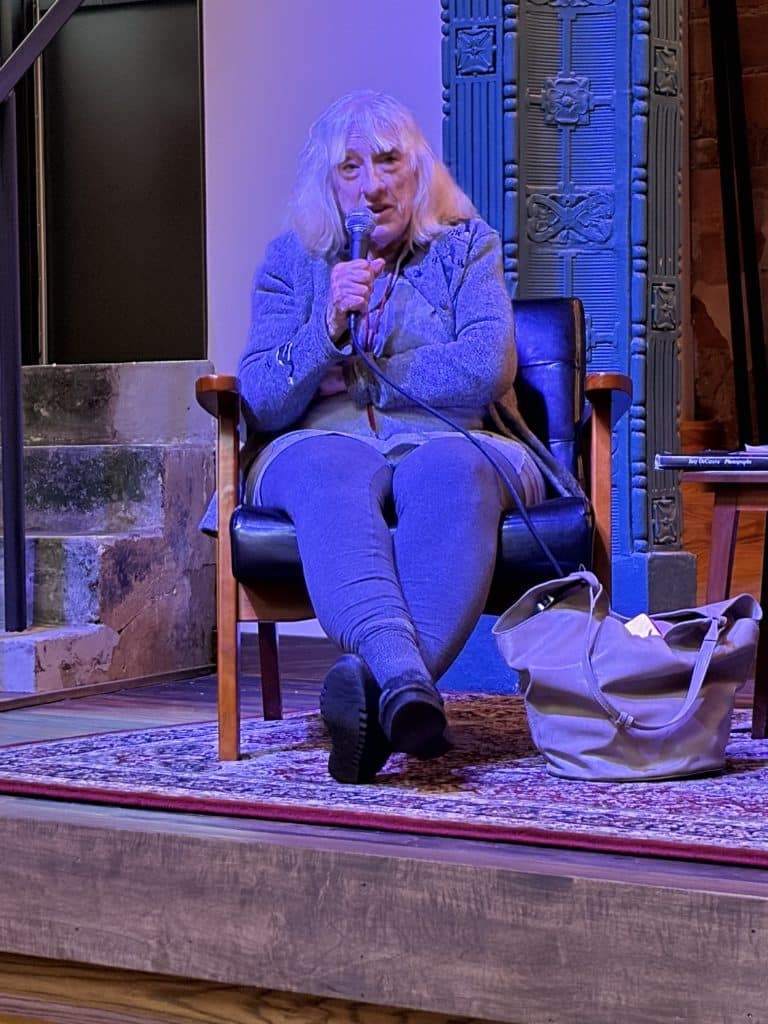
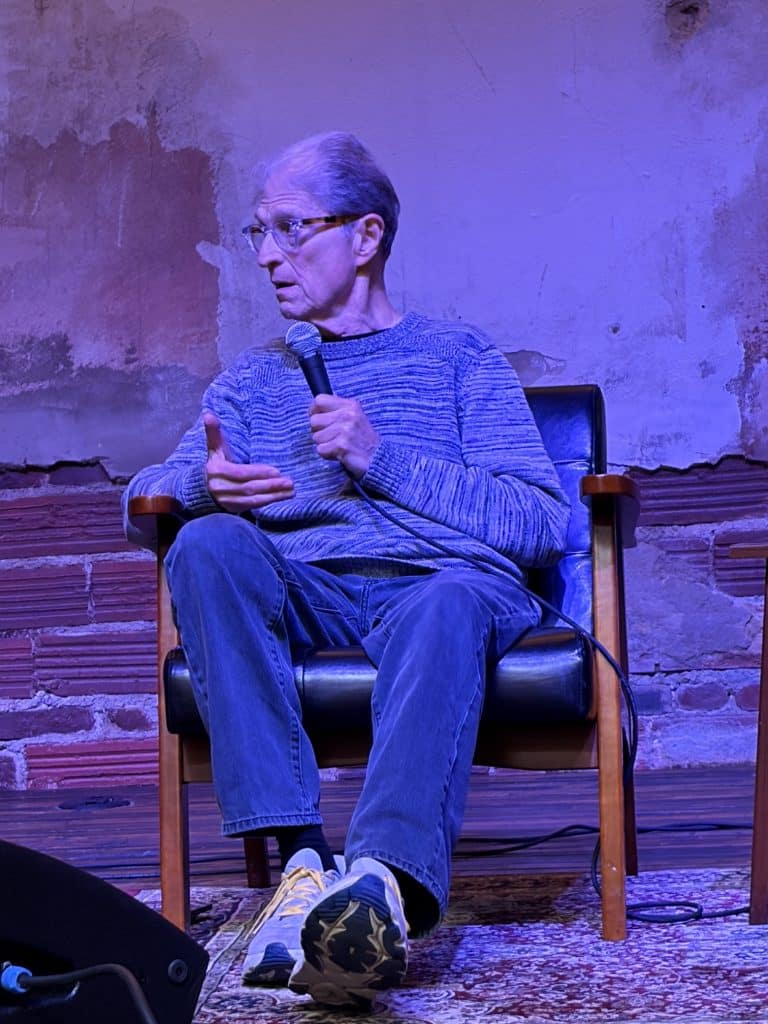
“Cleveland is a music city,” said Cindy Barber, executive director of the nonprofit Cleveland Rocks PPF, the owner of the Beachland Ballroom, and host of the discussion where she emphasized both the urgency and the challenge of preservation.
Her organization held a revealing music census in 2023.
“There’s so much energy here,” Barber said. “We have more musicians and more talent in Cleveland today than most other cities in the country. We were second only to Nashville, in the 20-city cohort, in responses — we had 2,800 responses. So that tells me that we’ve always had this energy and this vibrancy in Cleveland. It’s important that we keep telling this story in different ways and go back and have this history documented.”
Cleveland Rocks PPF tries to develop and strengthen Cleveland’s local music scene. It has a Music Incubator program that provides local acts with cash for projects, and a Music Accelerator program that seeks to expand the reach of Northeast Ohio bands that have developed a following.
Vivolo echoed some of the frustration voiced by the panelists and other audience members about scattershot past efforts to collect archival donations from the public, saying the efforts never seem to amount to much that is easily identifiable.
“I don’t want this stuff to just go away,” she said.
Anyone can visit the archives at the Rock Hall, Mondays through Wednesdays (10 a.m.—4 p.m.), but by appointment only. (Scroll down on the archives page here for details on guidelines.) Contributing to the museum is a process that includes background and provenance information on materials, as well as curated evaluation.
Historians can also submit materials to the academic journal Popular Music History, which publishes “original historical and historiographical research,” drawing on a “wide range of disciplines and intellectual trajectories.”
“If you’re going to write the history of anything, the first thing to start with is curiosity — you have to be curious, and you have to be patient,” said Wolff, who posed a hypothetical question to the audience that produced a laugh: “What kind of city can produce both the Raspberries and Pere Ubu?”
“History takes a lot of time,” he said. “The trick is to let the story tell itself.”
Wolff should know. He said it took him between 12 and 15 years to write “Invisible Soul: Uncovering Cleveland’s Underground Soul Scene,” a fact not lost on the rest of the panel, all of whom agreed that the “aging out” of people who can remember Cleveland’s glory days of the 1960s, ’70s and ’80s is a real concern.
To wit, the question, “Why is the Rock & Roll Hall of Fame in Cleveland?” is something that music scene veterans hear more and more of these days. The pat reply is that local DJ Alan Freed coined the genre’s name, but that stock answer can be unsatisfying.
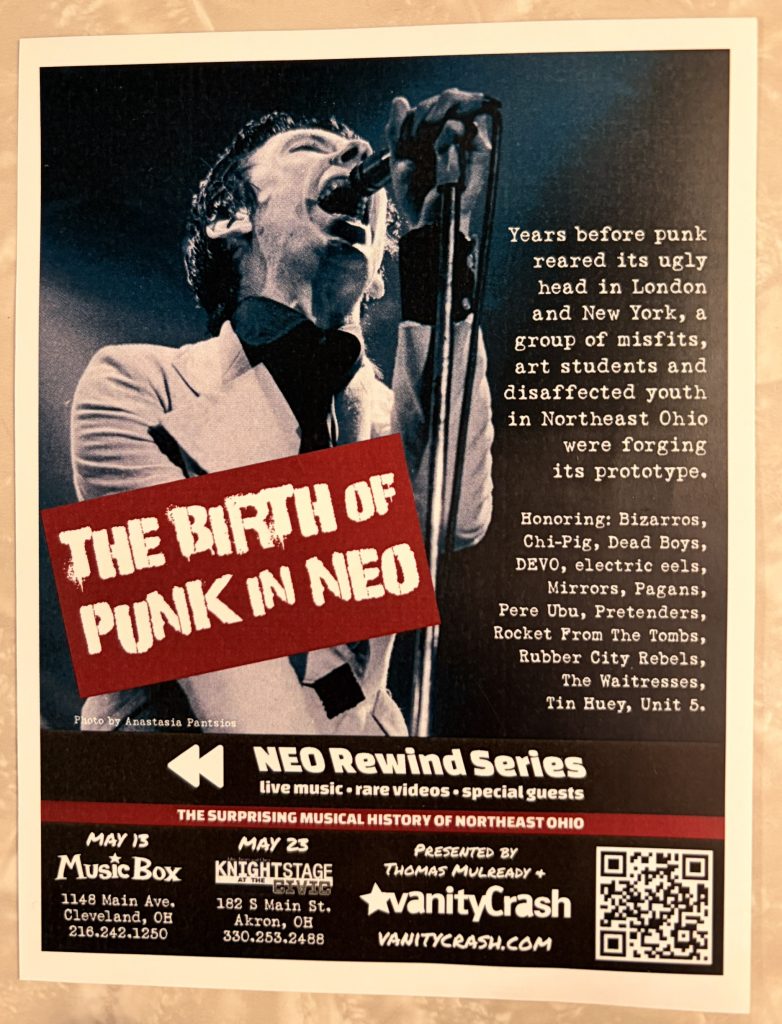
For example, David Bowie got a huge break in Cleveland, said Thomas Mulready, a multimedia veteran, musician, rock historian and entrepreneur who is holding an event on the subject on July 11 at the Akron Civic Theatre.
“If he wasn’t successful, we say David Bowie maybe wouldn’t have broken out of England,” said Mulready, a longtime friend of the panelists, after the discussion. “So we take credit for that.”
Bowie was championed in the 1970s by another big-name Cleveland DJ, Billy Bass, who Mulready and Wolfe have interviewed for their respective history efforts. The late performer might be considered a good example of how Cleveland is often overlooked when it comes to seminal rock moments, especially compared with other American cities, aside from New York, that he is associated with. For instance, the classic “Young Americans” album was recorded in Philadelphia at Sigma Sound Studios, embracing the city’s vibrant soul music scene, as any rock fan from that town (such as this writer) can attest. It is an ingrained part of the city’s culture. In contrast, his performances and history in Cleveland were less documented, but he played very notable shows here, significantly contributing to his overall legacy in American music.
If anyone under the age of 45 is unfamiliar with the story of Bowie or any of the many other marquee acts that have come through town (Elvis, the Beatles, the Stones, Hendrix, Springsteen), it’s partially due to the fact that current commercial radio in the CLE is a shell of its former self, several attendees and panelists agreed. That could be said for many big cities, but Cleveland radio helped shape the national rock identity when DJs weren’t just playlists with voices that may or may not be local and may or may not be live on-the-air. They were curators, tastemakers, sometimes even gatekeepers. Stations took risks on local acts, broke new music and built scenes that fed directly into institutions like the Rock Hall and Traina’s beloved La Cave. That ecosystem — radio, clubs, record stores, print media — was tightly interconnected.
Wolff tried to untangle those connections through direct interviews with surviving members of the soul scene, and he told the tale of acts such as The Hesitations, an R&B group which came close to making it big. He also combed through archives of alternative weekly newspapers that served a predominantly Black population, keying on classified ads for clubs that included addresses. That made for some sad revelations on the state of the city today.
For any given club, “you could drive by there and see what the neighborhood was, and what I found was, there wasn’t much of a neighborhood left,” Wolff said. “So, a good part of this book is about race and poverty, and the hollowing out of Cleveland.”
Not discussed at the Visible Voice event was the Moondog Coronation Ball, held in March 1952 at the Cleveland Arena. The show is generally accepted as the first major rock concert held anywhere in the world, and was staged just a few days before a writer named Jane Scott occupied her desk at the Plain Dealer. Scott was responsible for rock’s first draft of history for 50 years, a Cleveland legend who very much was discussed at the event.
“I can’t emphasize how unique and how special she was,” said Pantsios, who said she has about 12 cabinet files worth of rock archive materials on myriad bands that risk slipping into the mists of time, such as Tiny Alice and Glass Harp.
“She started covering rock ‘n’ roll in 1964, when all the high school kids across the region were starting bands in the wake of the Beatles. … She saw that that was a major thing happening. So as a result of that, she wrote about people that became bands like the Raspberries and the Michael Stanley Band when they were still in their high school bands, and published the material in a major daily paper. This was not happening back in Chicago. It wasn’t happening in Minneapolis or in Atlanta, Georgia. So all of those cities, what was happening, was pretty much lost to time. As a result of what Jane did, it’s not lost to time here.”Meanwhile, the Rock Hall library and archives continues to amass materials, including some of Pantsios’ stuff. The Western Reserve Historical Society has a good effort going on as well. And Cleveland Rocks PPF is doing the same while seeking volunteers to keep the history alive.
An earlier version of this article incorrectly spelled Carlo Wolff’s last name. The article has been updated.
Keep our local journalism accessible to all
Reader support is crucial as we continue to shed light on underreported neighborhoods in Cleveland. Will you become a monthly member to help us continue to produce news by, for, and with the community?
P.S. Did you like this story? Take our reader survey!
Related Articles
More than a card: Why Cleveland Public Library still matters in the digital age
September is National Library Card Signup Month. The Land talked with Cleveland Public Library Executive Director Felton Thomas, Jr. at the Main Library downtown.
The Movie Nerd Report: It’s “Primetime” for Northeast Ohio cinema
There’s a lot of fun screenings happening at independent theaters around Greater Cleveland this week.
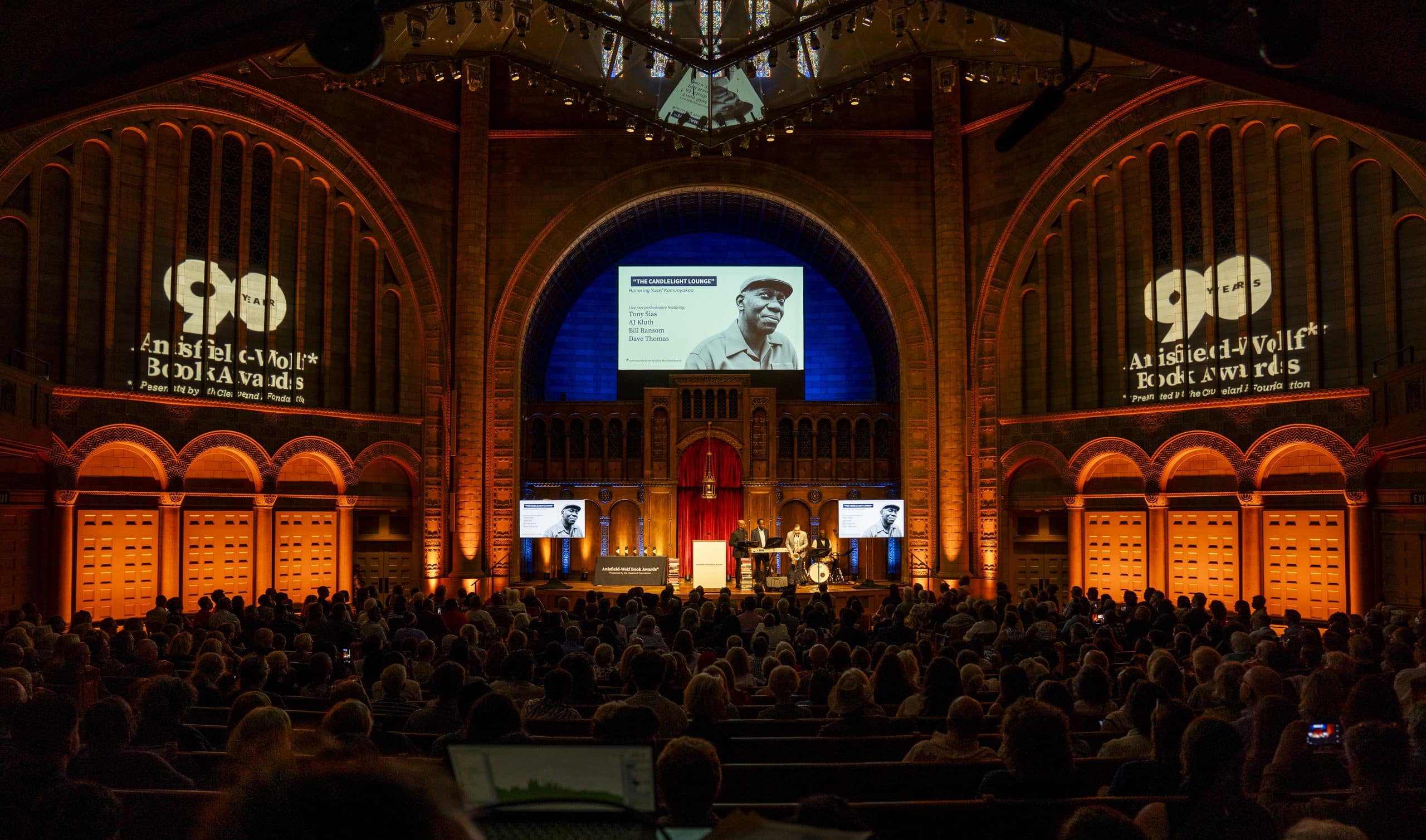
Anisfield-Wolf Book Awards weekend celebrates 2026 winners at 91st annual event
“We’re taking all of the good work the partners do year round and creating a space that allows us to have conversations that create shared language for experiences that otherwise might remain private or unspoken for readers but become a special experience for everyone.”


