
The girls who survived
Ohio’s residential treatment centers left them with trauma and questions. The friendships forged inside helped them heal and find answers.
This article was published in partnership with The Marshall Project. a nonprofit news organization covering the U.S. criminal justice system. Sign up for their newsletters, and follow them on Instagram, TikTok, Reddit and Facebook.
It was hard not to feel hopeless. Locked away from everyone and everything they knew, they spent their teenage years inside youth residential treatment centers, face to face with violence.
In the chaos, the children found strength in the bonds they formed as they cared for one another. When they left the treatment centers, those bonds helped them survive and, at times, thrive, even while they struggled with nightmares of waking up inside a facility.
They live on their own now across Ohio, their relationships grounded in a pursuit of accountability for what happened to them inside — and support for what happens next.
They exchange text messages to pass along details of how to get records from the treatment centers, pry loose bodycam footage from police, and connect with other survivor groups and nonprofits. And they root for each other, as they earn college degrees, attend night school, raise their newborns, try out new hair colors, navigate breakups, apply for jobs and rent apartments.
“We brought each other back to life,” Paitin Pahoundis said of herself and the other now-young women survivors, “just by simply being there, knowing we aren’t alone. Even if we hated each other. I didn’t fully realize how much I needed that understanding until I got out … We yearn for each other.”
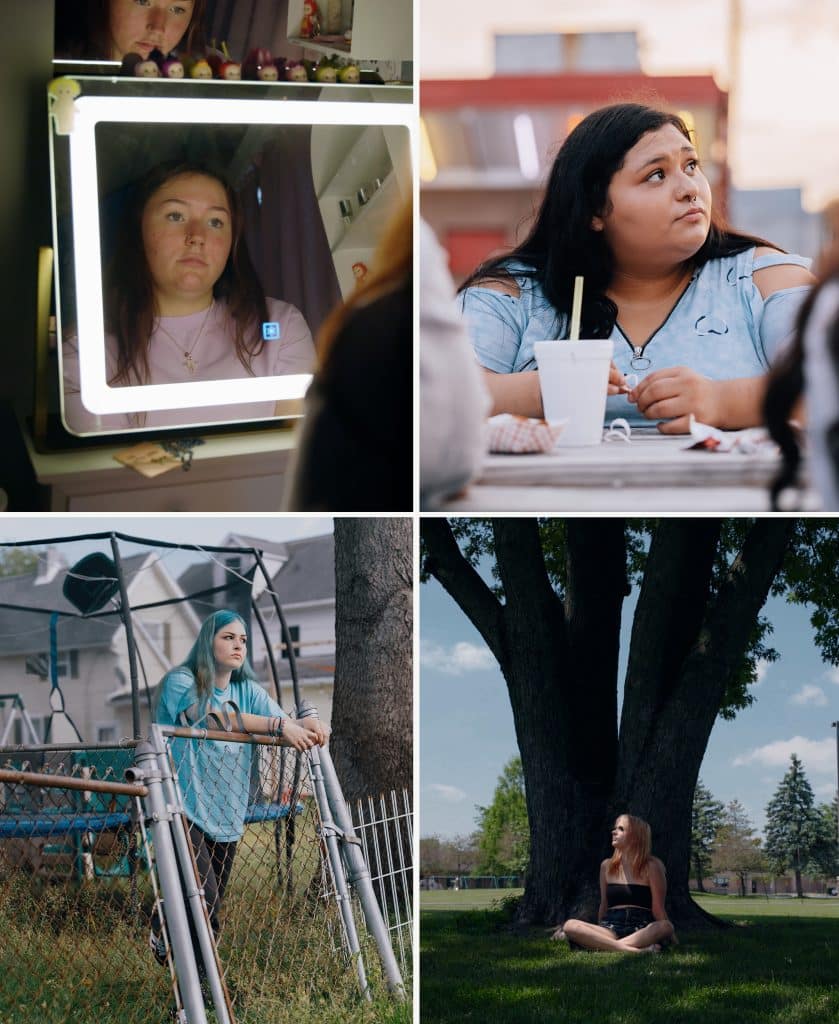
As Paitin, Jaycee Seele, Isabella Ramirez and Samantha Primeau told their stories of survival over the last two years — stories that were part of The Marshall Project’s investigation into residential treatment facilities — it became clear their lives were intertwined.
Keeping each other alive
For Jaycee, Isabella was a lifeline. Isabella was the one who stopped her from banging her head against the wall on the inside. Jaycee said she had wanted to stop the thoughts of wanting to die. Isabella would place a cold wash rag on Jaycee’s forehead to calm her down.
After residential treatment, Jaycee showed up for Isabella. When Isabella was close to term, Jaycee, who had already given birth to her own baby, drove across Ohio with clothes and items to help welcome her friend’s new baby girl into the world.
Nowadays, Jaycee’s lifeline is her daughter.
“She has changed my life,” Jaycee said. “I feel like I have a purpose since I got out. I want to protect her so she doesn’t go through what I went through.”
Jaycee now works with the Ohio Youth Advisory Board, helping to shape foster care and residential treatment policy. She has a TikTok account where she posts bodycam footage and other public records obtained by disability rights groups or advocacy organizations to raise awareness about what’s become known as the “troubled teen industry.”
Learn to heal
Isabella never thought she’d graduate from high school. Now, she’s in college.
She graduated high school shortly after her daughter was born. Building her education and working toward a career are among her proudest accomplishments, besides being a good mother. She hopes to become a nurse.
“I just want to spread the word about everything that happened. I was at school telling everyone,” Isabella said. “I feel like my story and what I have been through is not going to waste.”
Searching for truth
Samantha spends as much time as she can under the open sky.
She loves the freedom she has to listen to music and get lost in lyrics — she remembers a time when she was starved of art and sound. She experiments with photography with her friends, finding outdoor backdrops for portraits.
Even in those peaceful moments, she worries about the kids inside the locked facilities across Ohio.
So she continues trying to learn more about her experience. Along with Paitin, they file records requests for bodycam footage of her time on the inside and scour social media, in part, to find former staff members who are willing to talk.
“People don’t know these places exist unless you know people who have been there or you’ve been in the system,” she said.
Learning to be free
Paitin still dreams of running.
Sometimes she wakes up and forgets she’s no longer locked inside a treatment center. Other days, she dreams of what life is like outside of Ohio and its expanse of cornfields. She remembers a time when she’d have to remind herself that she didn’t need permission to go outside.
Over the past two years, she’s worked on her anxiety. She used to be too scared to have a public-facing job. Now, she works in a restaurant and pays rent. She’s proud of her own apartment.
Paitin and Isabella had run away together while in treatment. They wept as they shared their stories and recalled protecting one another, kicking down doors, trying to intervene in restraints. They also laughed at police trying to catch them as they hid in bushes or crossed highways.
Isabella taught Paitin how to hitchhike and run toward the horizon.
For now, Paitin leans on her fellow survivors. They Snapchat, call and text each other. They gather evidence. They hope for change.
Keep our local journalism accessible to all
Reader support is crucial as we continue to shed light on underreported neighborhoods in Cleveland. Will you become a monthly member to help us continue to produce news by, for, and with the community?
P.S. Did you like this story? Take our reader survey!
Related Articles
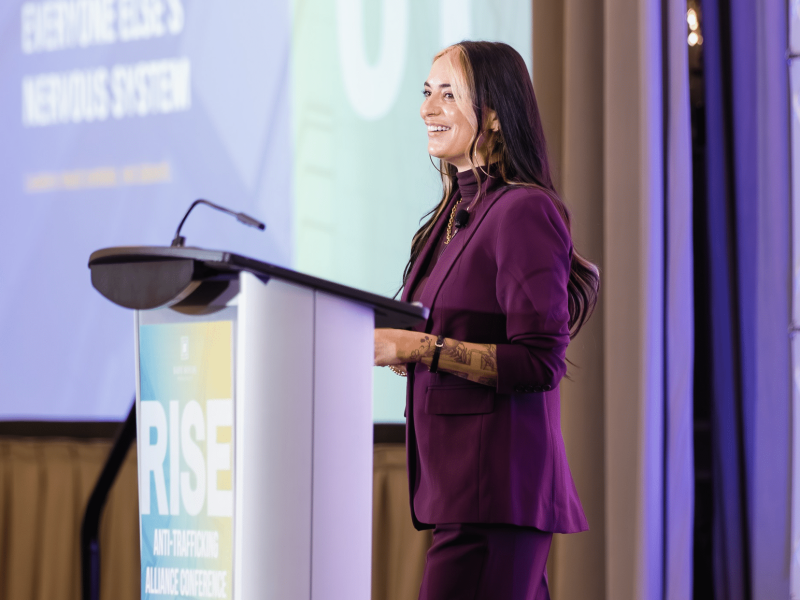
National expert, trafficking survivor, leader Alia Azariah to keynote event in Cleveland
A California native, Azariah serves as director of collective impact for Safe House Project (SHP) in Ventura, a national nonprofit organization, and advocate to prevent human trafficking that provides aftercare for victims and helps them transition into safe, restorative care.
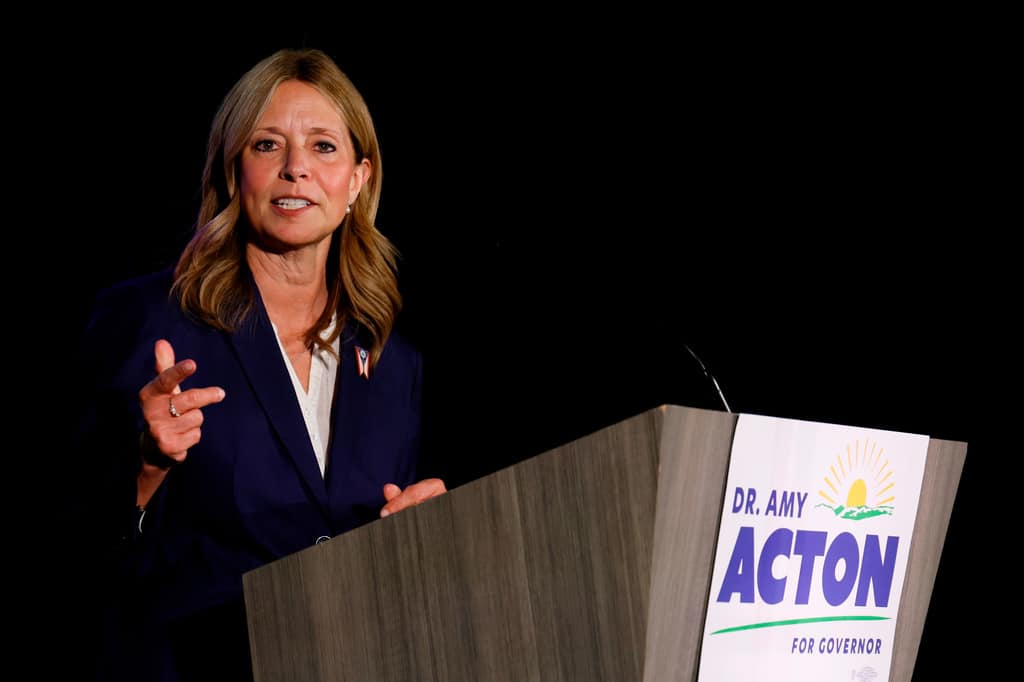
Armed man charged toward Democratic candidate for Ohio governor at fair, law enforcement says
A 38-year-old was taken into custody on Sunday, according to law enforcement.
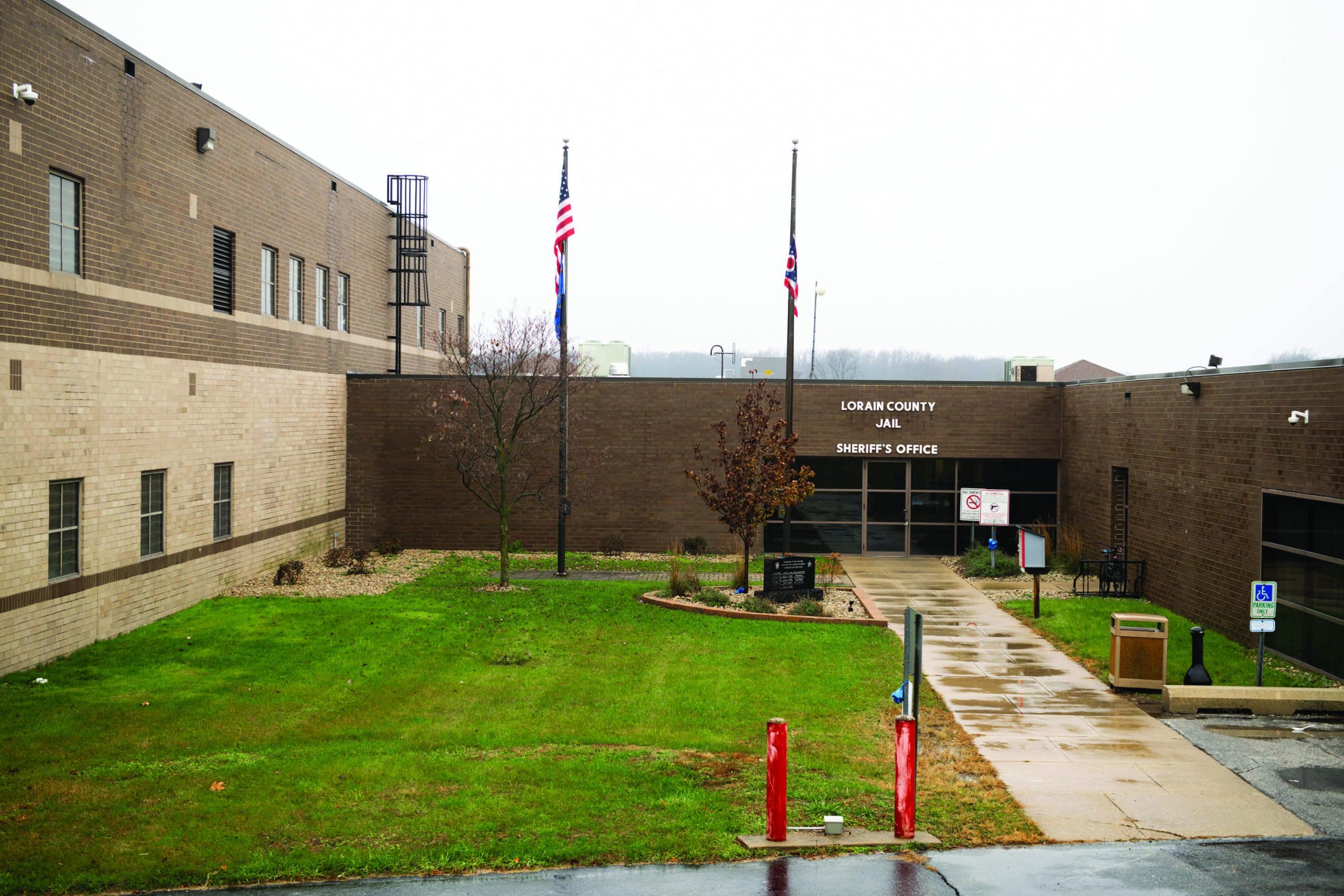
Teen treatment center CEO accused of unlawful sexual contact with minor in police sting
Police say the head of Fox Run Center for Children and Adolescents drove nearly 200 miles to meet with someone he believed was a 14-year-old girl.


