
New Greater Cleveland Association of Hispanic Journalists aims to increase Latino representation in media
Life for Hispanic journalists in Northeast Ohio just got a little easier. In the Greater Cleveland Association of Hispanic Journalists, founded this spring, local journalists have gained the backing of a national parent organization and a robust network of professional support and development opportunities.

Jorge Ramos-Pantoja is a bilingual producer with WKYC.
Life for Hispanic journalists in Northeast Ohio just got a little easier.
In the Greater Cleveland Association of Hispanic Journalists, founded this spring, local journalists have gained the backing of a national parent organization and a robust network of professional support and development opportunities.
“Collaboration will help us survive,” said Jorge Ramos-Pantoja, a bilingual producer with WKYC-TV, noting that in a diverse, culturally-rich city like Cleveland, “It is essential to unite and collaborate…We must create a fair representation of what Hispanics are like…”
The need for representation is clear. The 60.5 million Latinos in the U.S. and Puerto Rico comprise nearly 19 percent of the population – according to a 2019 Census report- but constitute no more than about 5 percent of major fields including media, politics, film, and television.
For instance: A 2018 report by the National Association of Latino Elected and Appointed Officials found only 1.2 percent of federal elected offices were held by Latinos. Nearly ditto in broadcast TV roles, of which only 5.3 percent in 2020 were played by Latinos, according to a Hollywood Diversity Report.
Even Lin-Manuel Miranda, the acclaimed actor and director of Puerto Rican heritage, acknowledged that he could have better represented Afro-Latinos in his recent film, “In the Heights.” “In trying to paint a mosaic of this community, we fell short,” he wrote.
Journalism is not the exception to the rule. A study made by the Craig Newmark Graduate School of Journalism found that in the entire country there are 624 Latino news outlets (including Puerto Rico) serving a potential audience of close to 60.5 million people.
Representation isn’t the only problem, either. Hispanic journalists often face other challenges as well, including inequality of pay and benefits. Ramos-Pantoja acknowledged the seriousness of these discrepancies but also said he’s optimistic, noting that “being so limited gives us the possibility to set a higher bar.”
There’s also a problem specific to Northeast Ohio: Areas and Issues of interest to the Hispanic community don’t always receive the treatment by news organizations they warrant. Roselyn Muñiz, another producer at WKYC, pointed to the scarce local coverage of Cleveland’s heavily Hispanic west-side neighborhoods.
“I noticed that we don’t have many Hispanics in the news in our city, and that’s why I wanted to make a difference,” she said. “This has to change.”
Enter the new organization, a local chapter of the National Association of Hispanic Journalists.
Muñiz said her goal with GCAHJ is to encourage and keep more Latino journalists in the field and promote more coverage of Hispanic people, areas, and topics. She plans to do this by organizing journalism scholarships and offering mentoring services to Hispanic students and young professionals in the area.
Membership in the local chapter ($35/year) affords access to national conferences, professional development workshops, and networking events. Members also may use the group’s Facebook page to interact with the public, promote published work, and glean news tips from the Hispanic community.
Currently the GCAHJ has just 12 members, but that small number is a small army of cultural heritage and experience. They’re all Hispanic, but they hail from places as far-flung as Puerto Rico, Chile, Uruguay, and Mexico.
Similarly, the group embraces media professionals of all stripes, including those in public relations, marketing, and other related fields. From the task of building up Hispanic journalists in Greater Cleveland, none can be excluded.
“Everyone is welcome,” Muñiz said.
Editor’s Note: Claudia Longo is a member of the Greater Cleveland Association of Hispanic Journalists.
Keep our local journalism accessible to all
Reader support is crucial as we continue to shed light on underreported neighborhoods in Cleveland. Will you become a monthly member to help us continue to produce news by, for, and with the community?
P.S. Did you like this story? Take our reader survey!
Author

Related Articles
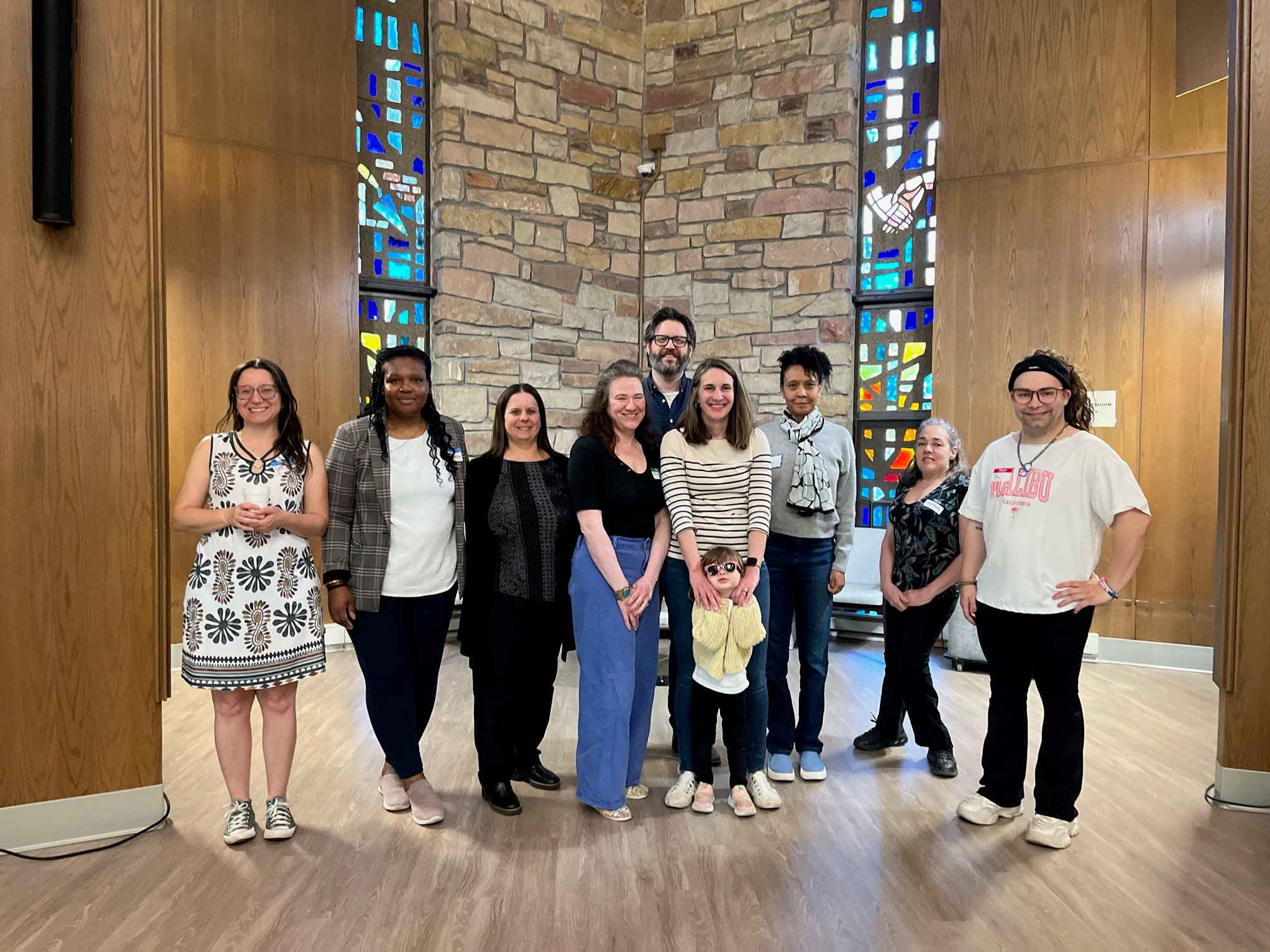
Lakewood Diversity Potluck uses food to bring together residents of different backgrounds
The event features music, food and community.
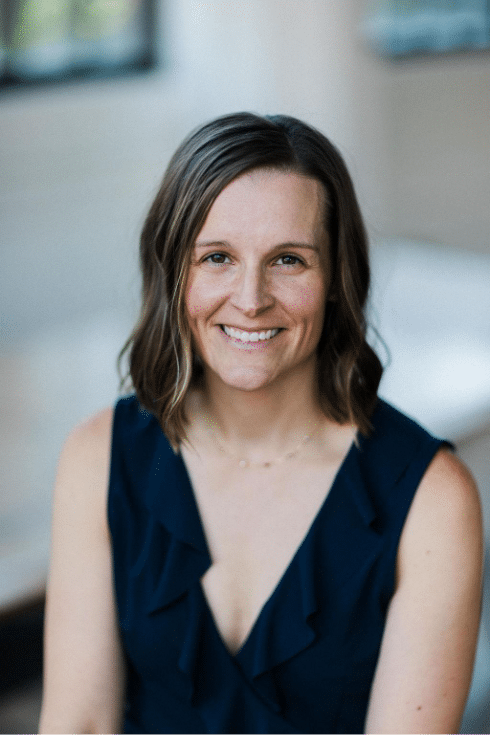
Katie Slife Rustad, candidate for Lakewood Board of Education
Katie Slife Rustad is a candidate for the Lakewood Board of Education.
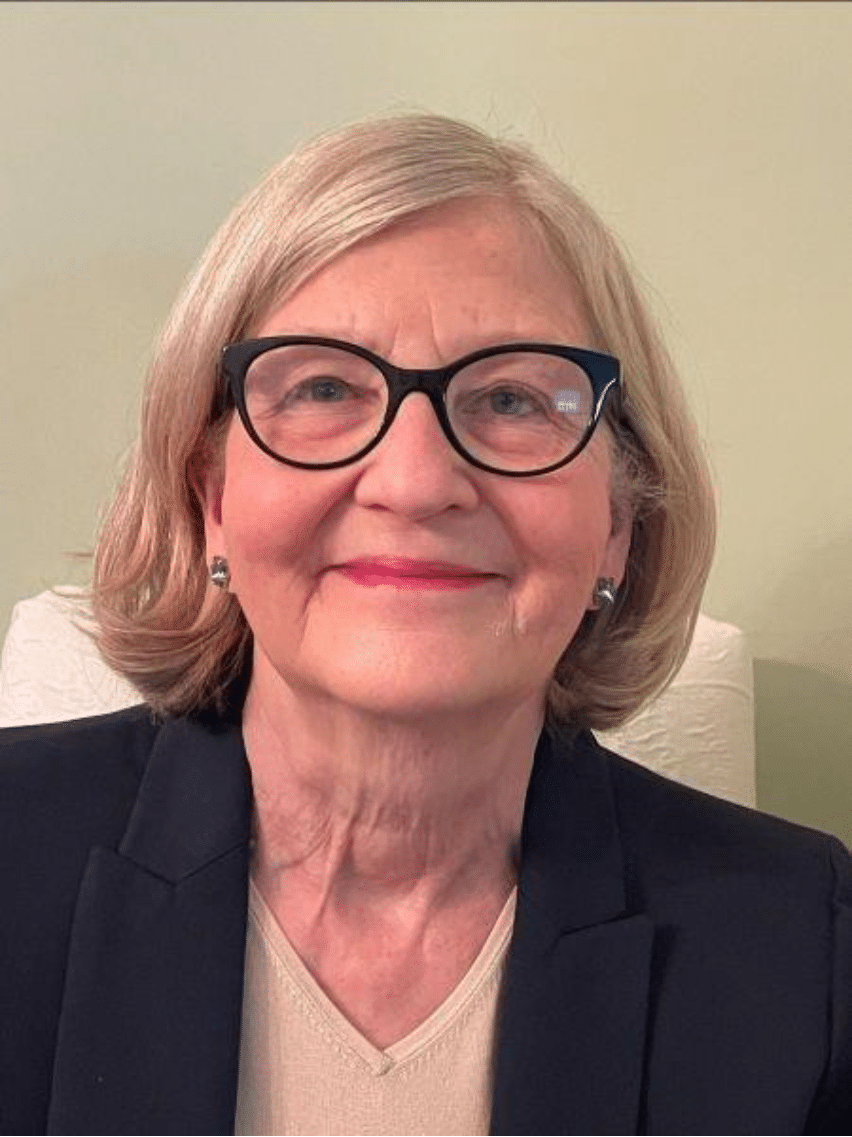
Betsy Shaughnessy, candidate for Lakewood Board of Education
Betsy Shaughnessy is a candidate for the Lakewood Board of Education.


