
SNAP changes could impact nearly 5,000 Greater Clevelanders
Government leaders and nonprofits are working to help those affected understand new eligibility requirements.
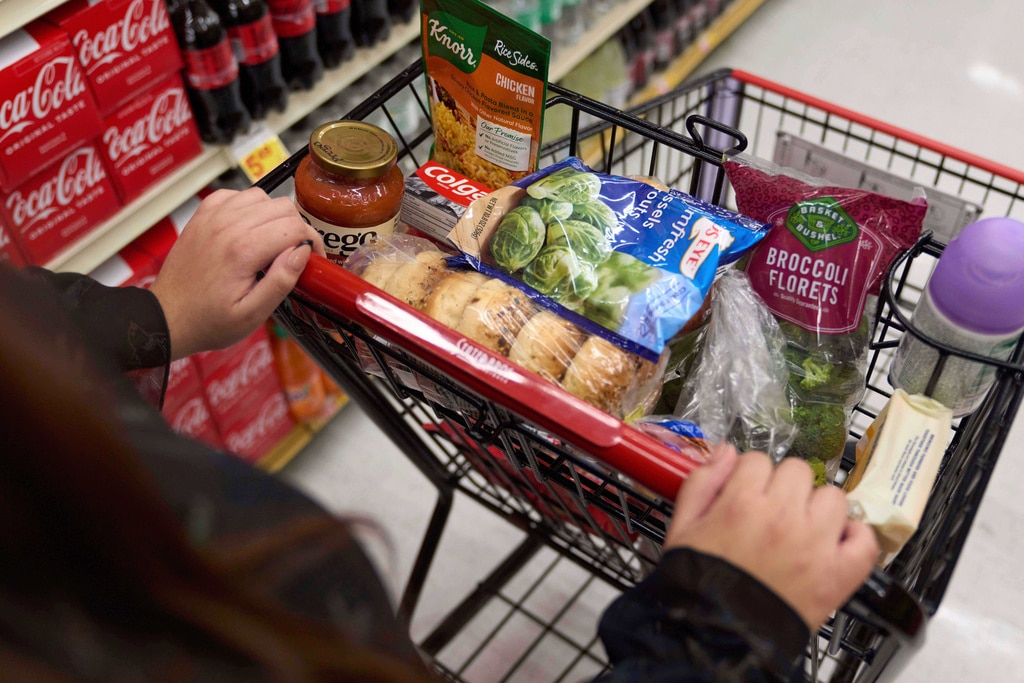
Community leaders gathered at the Greater Cleveland Food Bank on Friday to discuss changes to the Supplemental Nutrition Assistance Program (SNAP) and the critical need for recipients to understand what’s ahead before eligibility changes on June 1. Those in attendance included representatives from United Way of Greater Cleveland, Cuyahoga County Job and Family Services and Dave’s Markets.
Letters have already gone out to those who will be affected by this change, but the attending organizations want everyone to understand what these new requirements mean. They estimate more than 1,000 Cuyahoga County residents could lose their SNAP benefits before the end of this month.
Last year, President Trump’s “Big Beautiful Bill” initiated changes that will force able-bodied individuals, now up to age 64, to work or volunteer 80 hours a month to continue receiving SNAP benefits. The new law will also enforce the work requirements for parents with children older than 14. The bill also removes exemptions from the work requirement for veterans, the homeless or former foster youth.
The Federal Reserve reported in March that 190,000 people in Cuyahoga County were receiving SNAP benefits. After the recent shutdown, that number dropped to approximately 181,000.
According to Kevin Gowan, director of Cuyahoga County Job and Family Services, participants need to do the following things to maintain their benefits: Work a minimum of 20 hours per week or volunteer 20 hours per week and get documentation from whoever you’re volunteering with. A pay stub would act as your proof of employment.
“There are 5,000 individuals impacted by this,” he said. “It’s going to come in waves, so roughly 1,300 people will be affected by the end of May, then the rest are going to happen six to 12 months later. We have many resources available to help those who need it.”
Some of those resources can be found at this link. The county also has a SNAP Training Program that is fully funded. Students can take advantage of seven workforce providers to earn their hours.
A copy of the letter sent to impacted SNAP recipients this month is below.
Losing a line of defense
The Greater Cleveland Food Bank covers six counties: Lake, Lorain, Ashtabula, Ashland, Richland and Cuyahoga. Last year, along with their 1,000 partner programs, they served 404,000 unique individuals. That’s almost one in five residents in their six-county service area.
According to Kristin Warzocha, president and CEO of the Greater Cleveland Food Bank, the organization is seeing more seniors asking for help because of high grocery bills and gas bills. She says the organization is ready to help anyone who comes through their doors.
“SNAP is the first line of defense in our nation’s use of vitamins; it’s a critically important program,” she said. “It supports people who are really struggling to get by with nutritious food. It also supports local grocery stores where they spend their SNAP benefits. So, it’s an economic dream, as well as being a critical resource for people.”
Grocery stores are indeed feeling the effects of changes related to SNAP benefits. Dan Saltzman, president of Dave’s Markets, said stores, including their Lucky’s Markets, have experienced a 10% drop in SNAP-related revenue. According to him, there is no major underlying economic reason for the decline. Instead, he believes many SNAP recipients are confused about what benefits or products are still available to them, leading them to spend less or avoid using their benefits.
Navigating the changes
The United Way of Greater Cleveland’s 211 program will try to aid SNAP recipients as they navigate the new rules. The 24/7 hotline is available just by dialing 211.
“211 is there to answer any question about the new SNAP rules,” said Chiara Cameron-Wood, United Way 211 director. “We will have answers relating to education, training, food and utilities. We have hundreds of resources and information to pass along.”
Last March, a story in The Land spoke about a program through the Cleveland Department of Public Health titled “Cultivating Cleveland’s Next Generation” Four people would be chosen to become navigators who would canvas the community door-to-door helping those who received the letter understand it. An update from David Margolius, director of the Cleveland Department of Public Health states: “The City of Cleveland is working hand and hand with the county, the Greater Cleveland Food Bank, and all our partners to prepare for and advocate against the cuts to SNAP this year,” he said. “I think the information to deliver has just been released – so that work will begin shortly.”
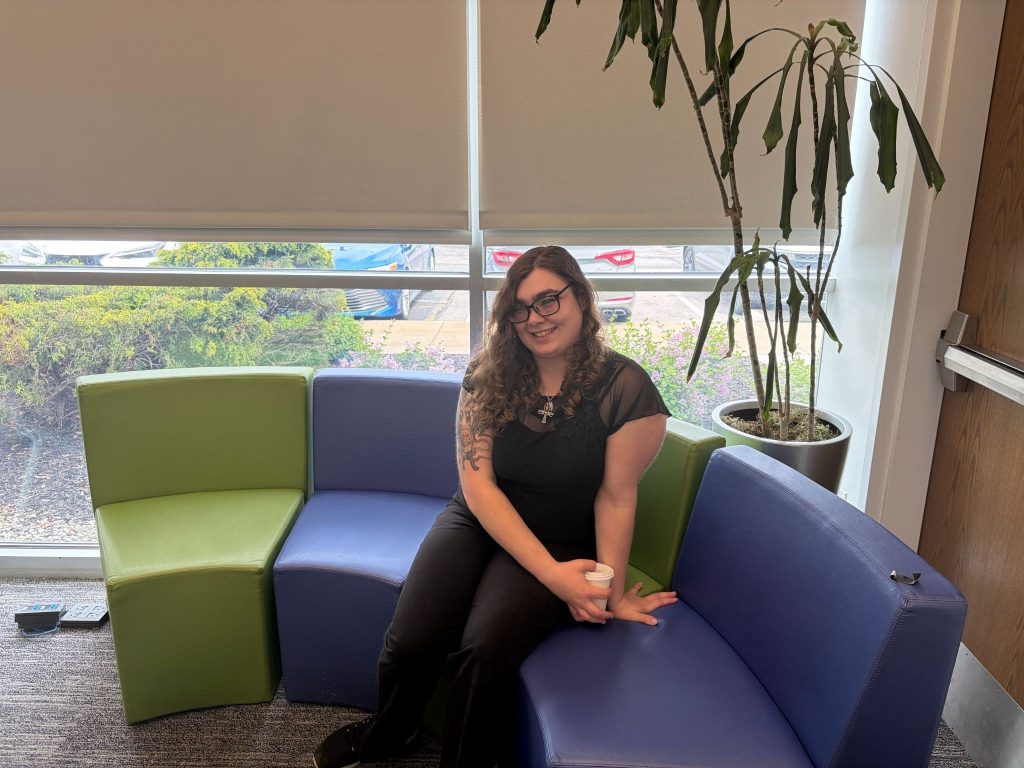
For 23-year-old Raven Wolfe, a Cleveland resident, there’s really no confusion as to what’s about to happen. She just wants the government to understand that as a former foster youth, the obstacles are harder to overcome. Wolfe’s current employer offers hours up to 40 hours a week — but because her hours vary, she hardly ever reaches it.
“They want us to work 20 hours a week to keep benefits,” she said. “My job is supposed to be forty hours a week. But it depends on our daily workload. Last week I only worked sixteen hours. I do other things to supplement my income, however, it’s hard to document. That makes it hard for those of us who have to make ends meet. Most people are on their jobs during the time they are needed to fulfill the 20 hour a week requirement. As a former foster youth, I don’t have family support to help me to get from place to place.”
Because of the many gray areas relating to this change, Loren Genson, communication specialist at Cuyahoga County Jobs and Services, offered this tidbit.
“With hours that fluctuate, we may ask for more than a month of pay stubs so we can get a better estimate of average hours,” she said. “If an individual sometimes has weeks that are less than 20 but some weeks are more, they may be OK if it averages 20 or more hours. If the average is a little below the 20 hours, they might be offered options to make up the difference, for example, if a person is working an average of 18 hours per week, we may work with them to find unpaid or volunteer work for two hours per week.”
Keep our local journalism accessible to all
Reader support is crucial as we continue to shed light on underreported neighborhoods in Cleveland. Will you become a monthly member to help us continue to produce news by, for, and with the community?
P.S. Did you like this story? Take our reader survey!
Author

Related Articles

The cost of drugs from Canada is set to soar for millions of Americans because of a federal rule
Millions of Americans who buy cheap drugs from Canada could soon lose access due to a new customs rule.

A gut punch in Ohio: Nearly 1,400 laid off at truck factory just days before Trump rally
The November midterms are a test for the working-class coalition that lifted Trump into the White House and gave Republicans control of Congress. The outcome will be decided in places like Ohio.
Amid resident outrage, FirstEnergy recommits to $19 million Lakewood plan
Lakewood City Council President Sarah Kepple said she called the meeting with FirstEnergy to get the company’s “plans…on the record.”


