
Leave the lights out for them: How a Cleveland group is trying to save the birds
Downtown Cleveland’s mass of lights and buildings can be deadly for birds. Luckily, there’s a local group trying to save our flying friends.
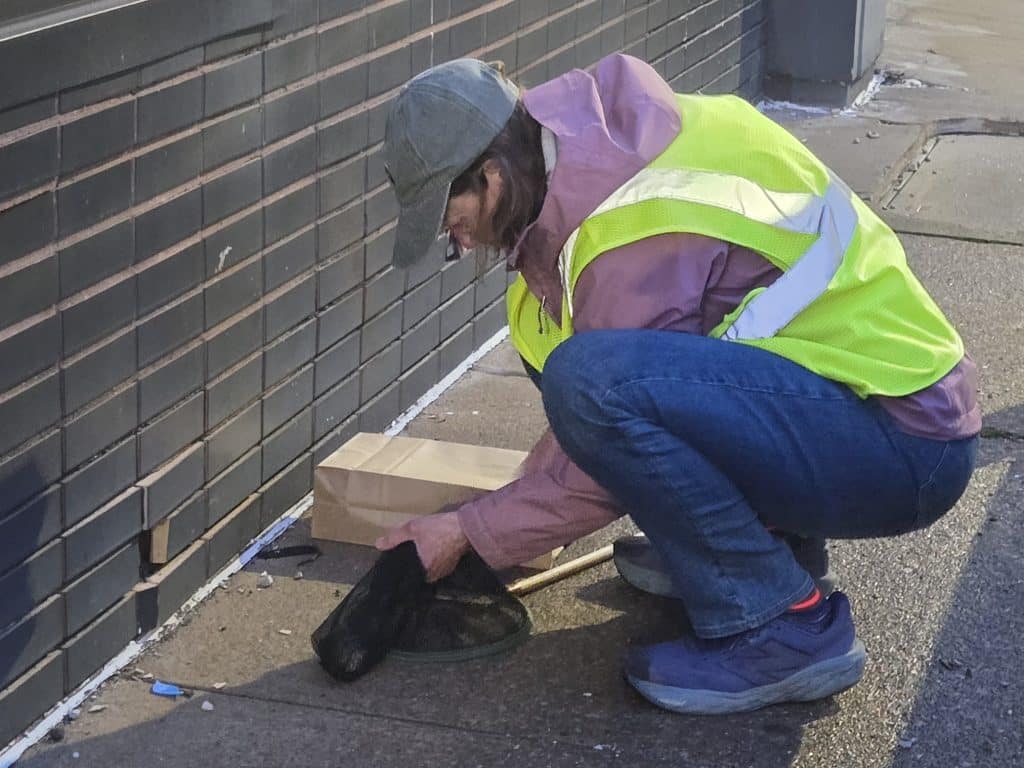
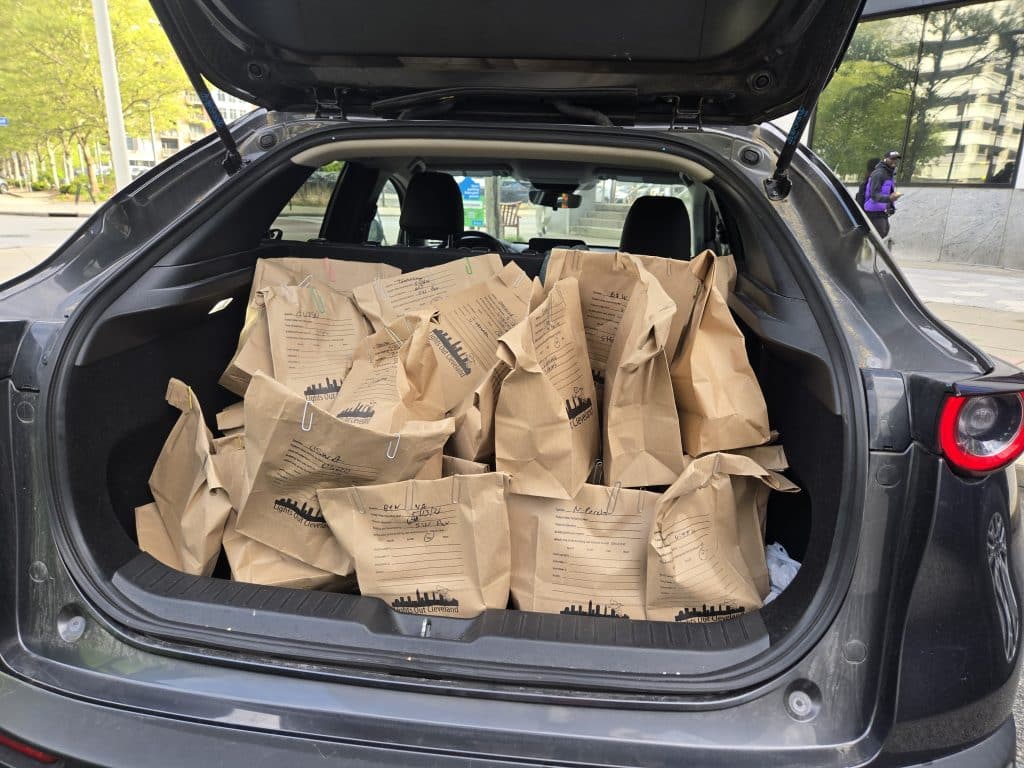
“Good morning,” Maureen MacIntyre calls to a passerby as her eyes scan the sides of nearby buildings for injured birds. The city may just be waking up, but MacIntyre’s team has been monitoring their routes since 5:30 a.m. MacIntyre is one of the lead volunteers with Lights out Cleveland, a group dedicated to collecting injured and dead birds during fall and spring migration.
“We want to rescue birds, but we’re also trying to collect data to keep the birds from hitting the buildings at all,” explains Jake Kudrna, volunteer coordinator for Lights Out Cleveland and a Metroparks staffer. “Birds can get confused by the lights in buildings or by the reflection in glass. Migrating birds, especially, are unfamiliar with the city and are more likely to collide with the buildings, resulting in injury or even death.”
The Cornell Lab of Ornithology’s Migration Dashboard estimates over 25 million birds crossed Cuyahoga County between March – May during the 2026 Spring Migration. Lake Erie is on the route causing many birds to stop near Cleveland to rest before crossing the lake. The majority of migrating birds travel at night, making artificial lights a key barrier to safety because it can disrupt migration patterns or attract birds to buildings. Studies in The Wilson Journal of Ornithology estimate 1.92 billion-5.19 billion birds die annually from collisions with glass in the United States.
Lights Out Cleveland program begins in 2016
During bird migration, Lights Out Cleveland volunteers monitor collisions between birds and buildings in Downtown Cleveland. Injured birds are taken to Lake Erie Nature & Science Center (LENSC) for rehabilitation and dead birds are sent to collections at local museums or universities. Every time a bird is collected, a volunteer records the location it was found. This data creates a map of hotspots documenting where migrating birds are most at risk in the city.
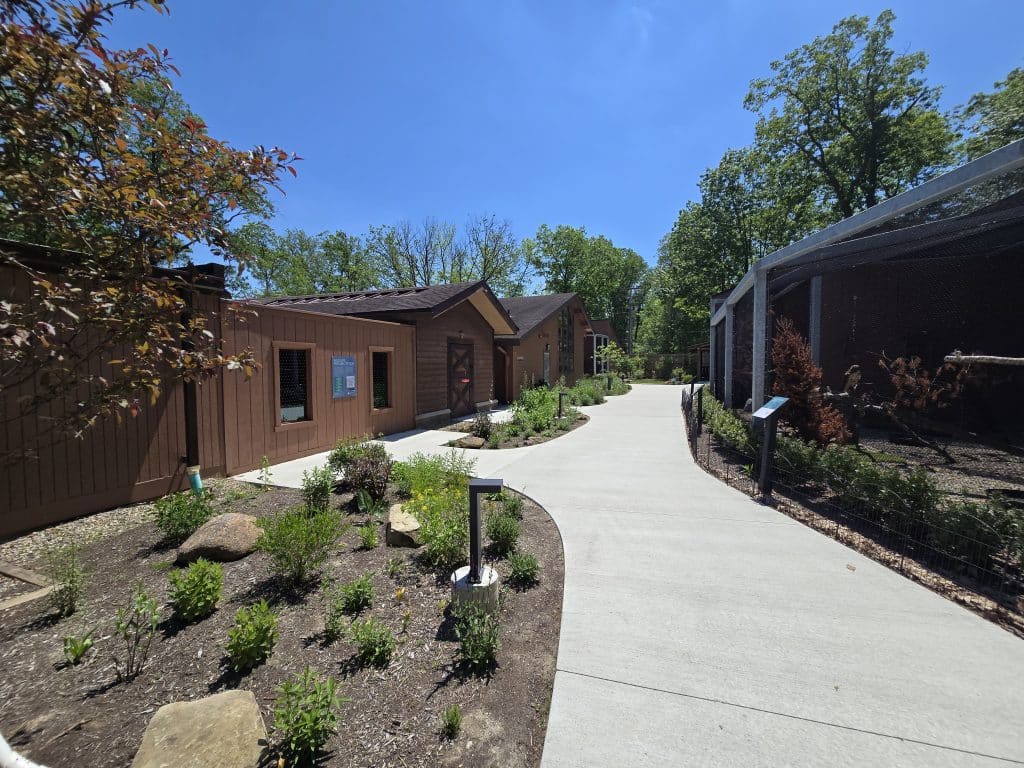
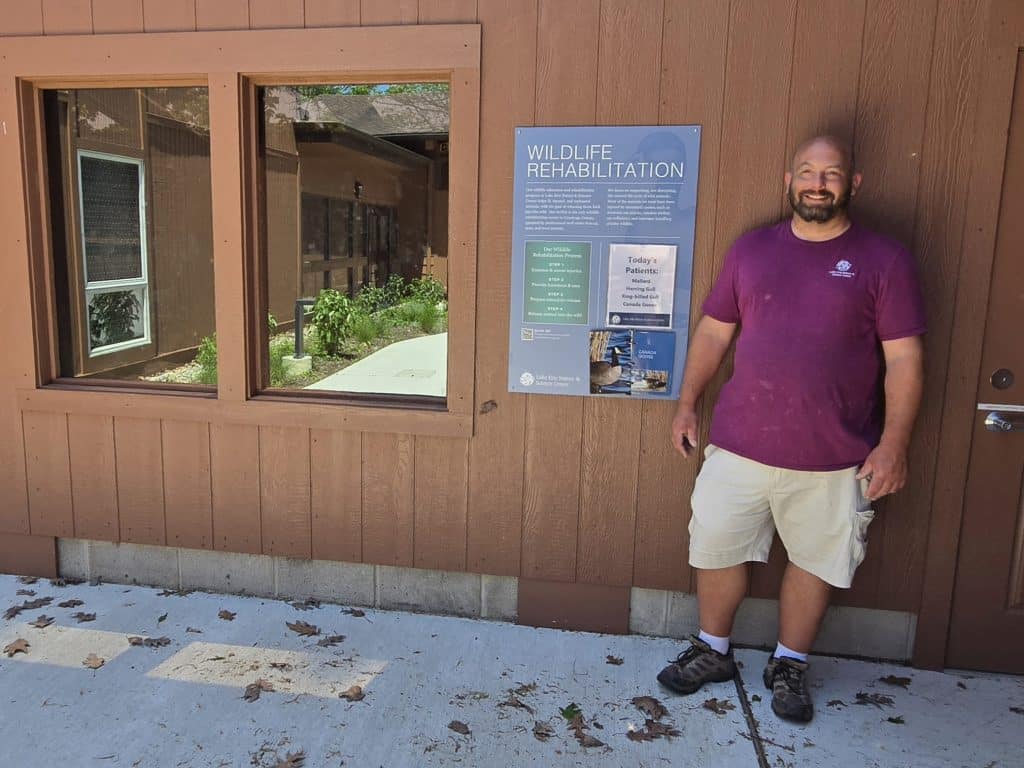
Lights Out Cleveland began in 2016. Tim Jasinski, wildlife rehabilitation specialist at LENSC recalls founding the program alongside Harvey Webster, former director of wildlife resources at the Cleveland Museum of Natural History (CMNH). The pair learned of the scale of bird collisions in the city thanks to Susan Roman. Roman worked downtown and would routinely bring injured birds to LENSC to be treated and dead birds to CMNH to donate to collections.
“In 2016, specifically, we had a bunch of American Woodcock brought in from the public and it infuriated me that these birds are coming in from all these window collisions,” said Jasinski.
As the program expanded, the Cleveland Metroparks joined the efforts to oversee the volunteer training and management. About 50 trained volunteers collect birds throughout the season.
Construction crew members, janitorial staff and security guards have been known to wave volunteers over to tell them of injured birds spotted nearby. Local buildings help by allowing volunteers to access private outdoor patios or store extra collection bags. Some building managers have even taken steps to make their properties bird-friendly.
Cleveland building managers take action
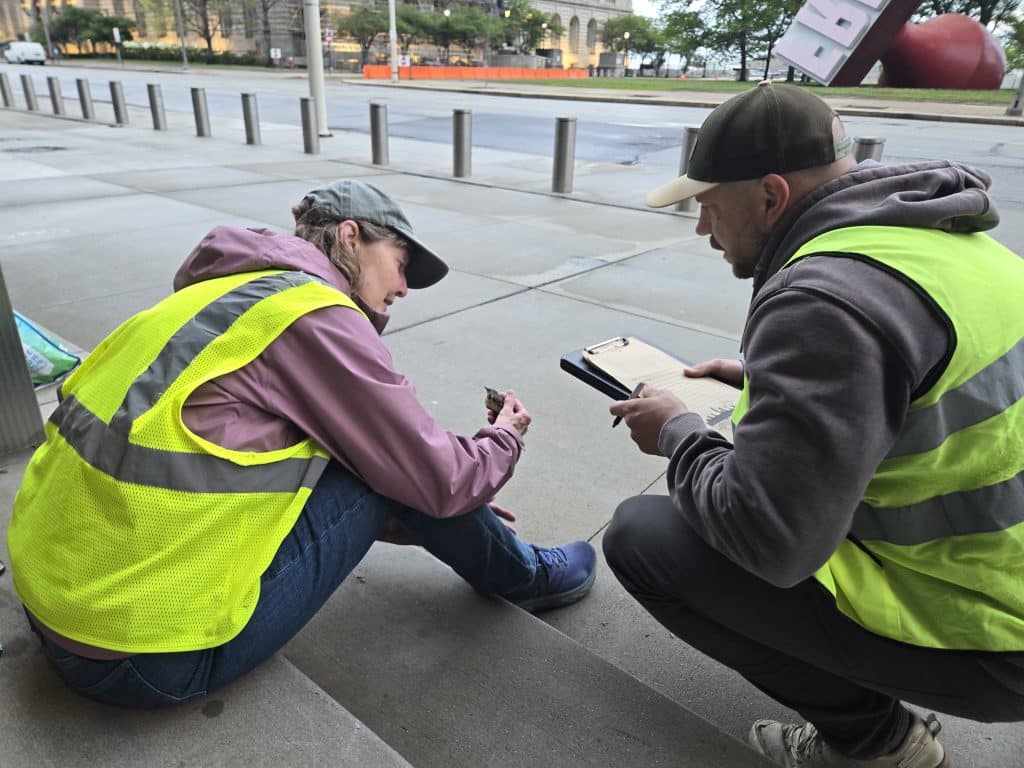
Devin Mingesbruney, coordinator of Ohio Lights Out, helps building managers of hotspot locations understand the problem and find solutions that meet their needs. Managers may hear of birds hitting the windows, but have never seen for themselves or realize the scale of what is truly happening. Data helps tell that story.
Costs and aesthetics can impact a building manager’s decision to participate. Even with a variety of products available, administration may need time to plan for the expense. Mingesbruney explains that reducing non-essential lighting at night is a good first step. If more action is needed, opaque decal systems are frequently recommended. This looks like white dots covering the window. This may not fit the building’s aesthetics, but options for variations do exist. Rocket Arena, for example, has a UV decal system. Birds can see this. People do not.
Since Rocket Arena joined Lights Out Cleveland as a participating building, volunteers have seen an 86% decrease in bird collisions outside the property. “I remember going out there one day and I just took all the nets I had in my car. [Another volunteer] had two nets and I had five and we were using them all,” recalls MacIntyre. But not anymore. Rocket Arena is one of 31 participating buildings listed on the Lights Out Cleveland Website.
Despite success stories, collisions are still high at other areas of the route. On average, Lights Out Cleveland collects 3,000 birds each year and only about 1,000 of them are still alive.
Local experts rehabilitate injured birds with a 90% release rate
Birds in need of care are transported to Lake Erie Nature & Science Center (LENSC). The primary goal is to reduce the birds’ stress so they can rest and recover. So, once the birds arrive, the team of staff, interns and volunteers move quickly.
They fill out an intake form to document details like the bird species, weight, sex and estimated age. Team members administer an anti-inflammatory medication for swelling and place the bird in an enclosure for observation where they can watch for signs of additional injury. Jasinski explains that the team treats every bird the same because studies have shown window collisions cause brain swelling, even if the bird looks fine.
LENSC has a 90% release rate and will occasionally invite volunteers from Lights Out Cleveland to the releases of birds they’ve collected.
“One thing we are very proud of with Lights Out specifically is the care for American Woodcock,” said Jasinski”. These birds are very hard to care for in captivity. Jasinski’s team at LENSC has pioneered how to care of them successfully and have educated people across North America on how to care for that species.
Many American Woodcock rehabilitated by LENCS have since survived multiple migrations. “That’s huge because not only has the rehabilitation worked and our protocols worked, but that bird is surviving after the collision,” Jasinski said.
LENSC treats local wildlife year round in addition to their work with Lights Out Cleveland. Visitors who are curious can view animals in the final stages of rehabilitation in LENSC’s new wildlife rehabilitation exhibit or reach out to the staff with their wildlife questions.
Project leaders express hope for the future
Participants in Lights Out Cleveland are taking action to help building managers understand the positive impact bird friendly design can have. Both Kudrna and Jasinski express a hope that all of the buildings downtown, including new construction, will eventually comply with the organization’s recommendations on reducing lighting and treating windows that have repeated issues with collisions. Mingesbruney explains the message is even more impactful when it’s coming from building staff, administrators or other building managers.
Although the challenge of protecting migrating birds is far from solved, Maureen MacIntyre keeps volunteering because she can see the results. “We know we’re saving birds.”
The public can help too. Learn more about bird friendly design for your business or home on the Lights Out Cleveland website. Consider becoming a Lights Out Cleveland Volunteer or reach out to Lake Erie Nature and Science Center for help caring for injured birds or other wildlife.
We're celebrating four years of amplifying resident voices from Cleveland's neighborhoods. Will you make a donation to keep our local journalism going?
Author
Related Articles
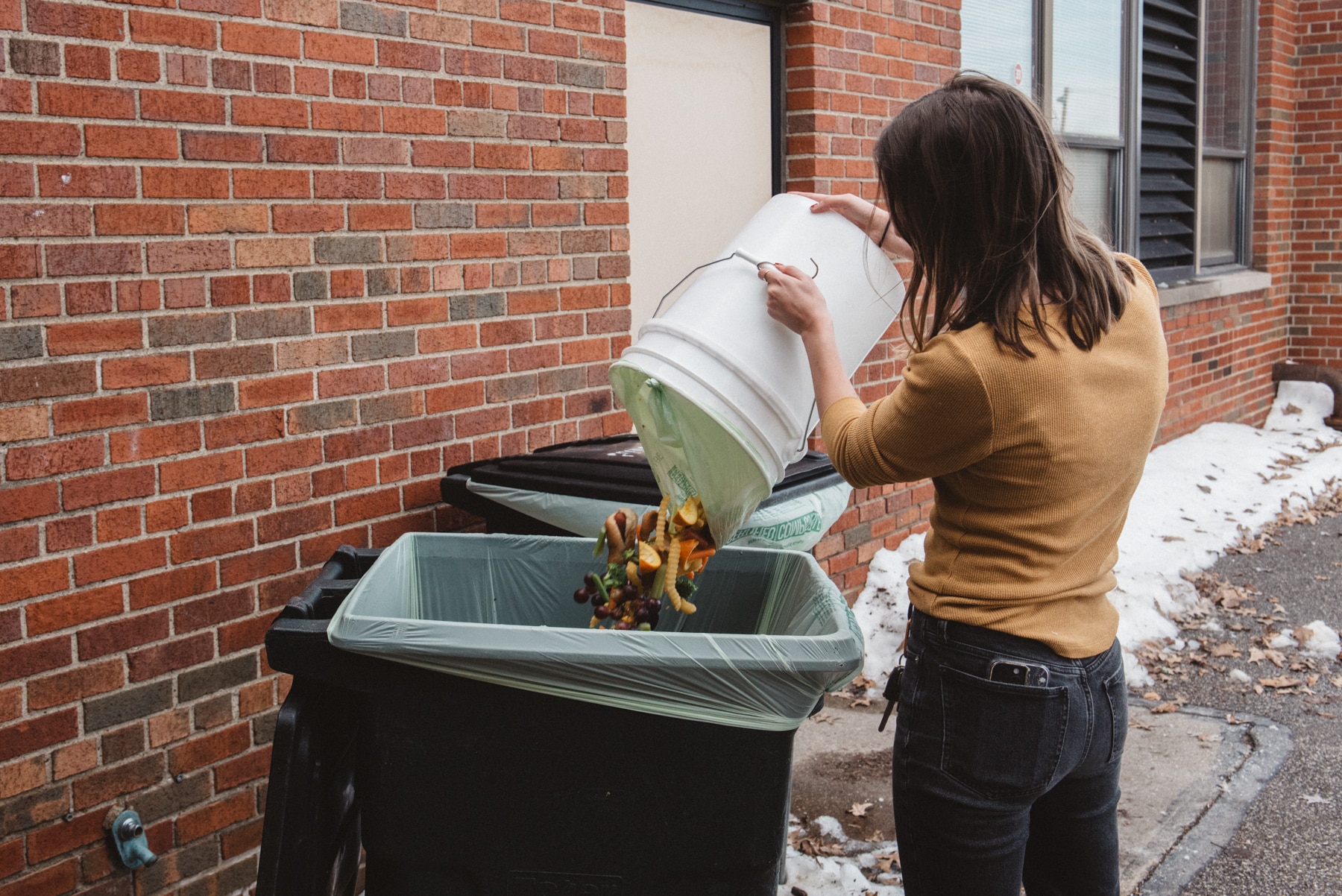
Northeast Ohio schools’ composting merges sustainability, student action
Schools throughout Northeast Ohio are turning food scraps into productive, environmentally-beneficial soil.
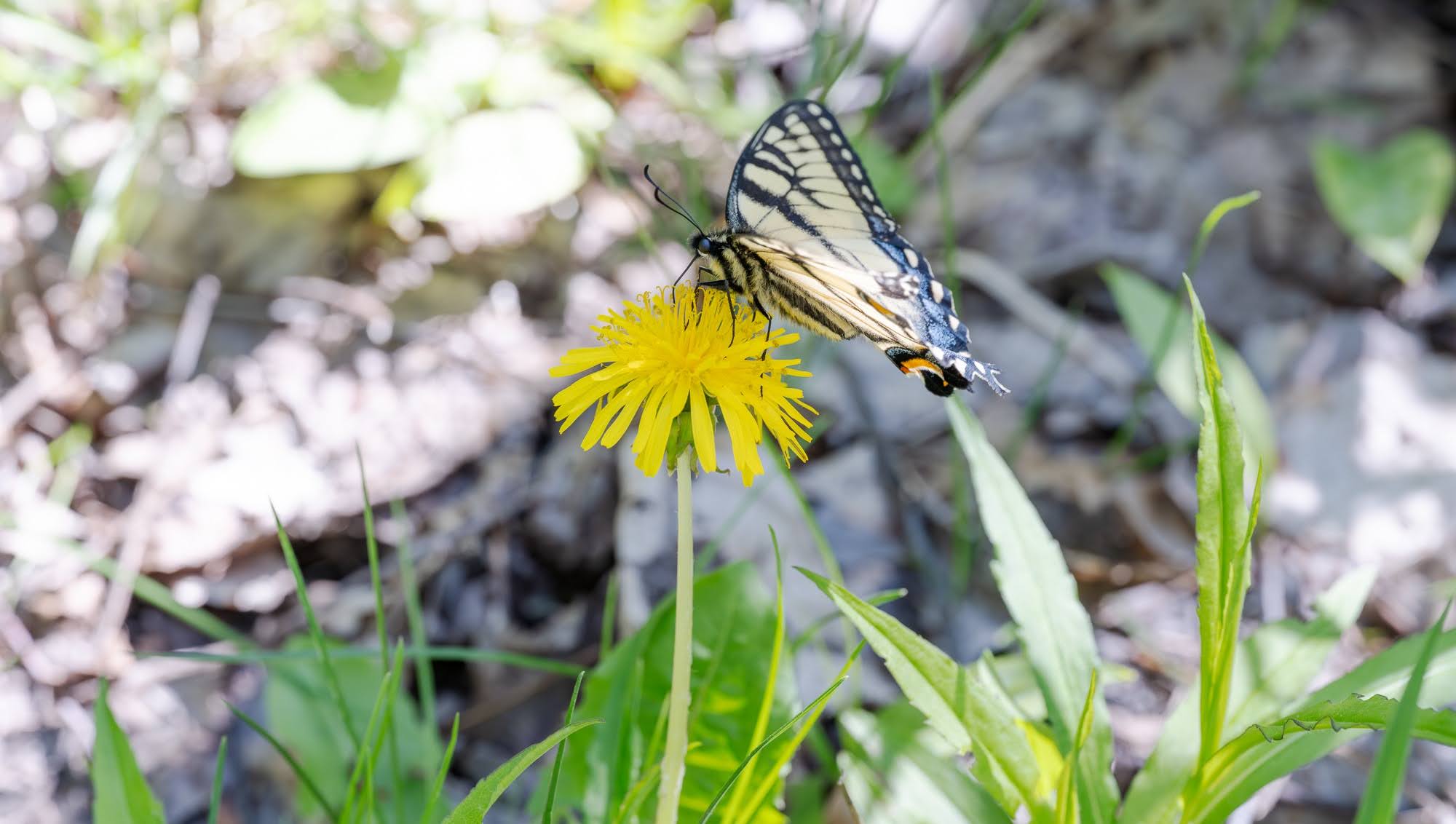
Creating the perfect pollinator garden this spring in Lakewood
Here’s how you can help butterflies, bees and other pollinators this spring and summer.
World-famous birder urges inclusivity, conservation during Cleveland talk
The noted author and birding enthusiast – famous for his racially charged encounter with a woman in New York’s Central Park – may have been preaching largely to the choir, but his message of inclusivity was welcome and deeply inspiring nonetheless.


