
Little Free Libraries build bridges with books for Cleveland neighborhoods
Greater Cleveland and its surrounding communities have about 80 Little Free Libraries, part of a much larger movement that has established 150,000 registered book boxes worldwide.
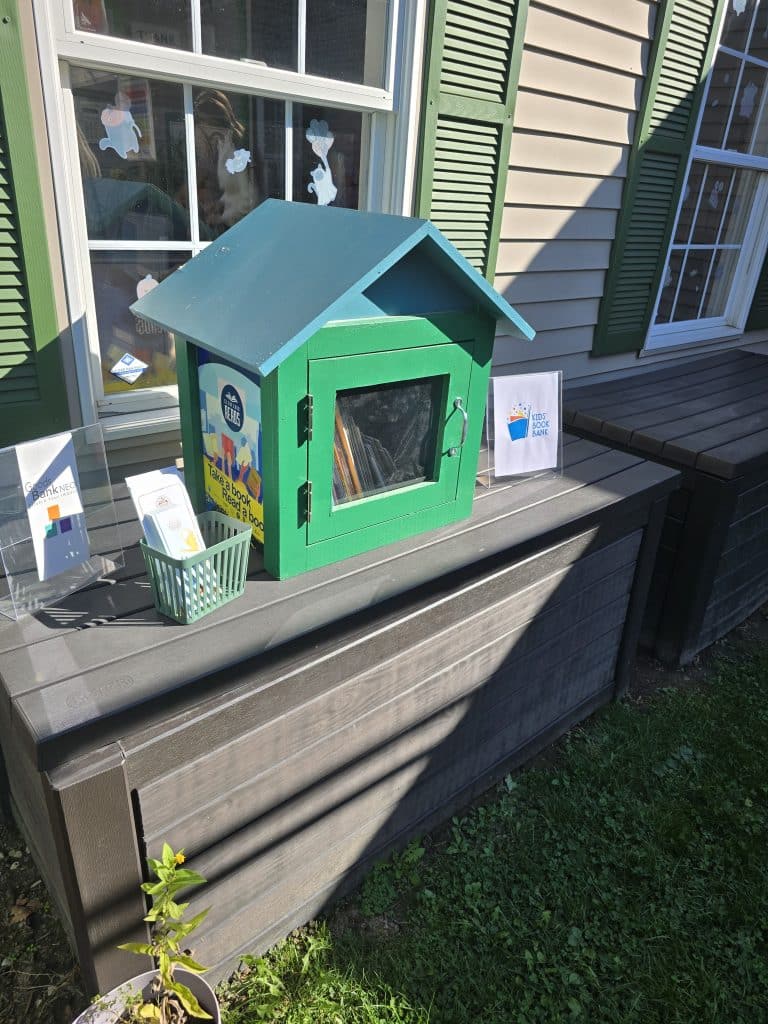
Learning Center in Cleveland
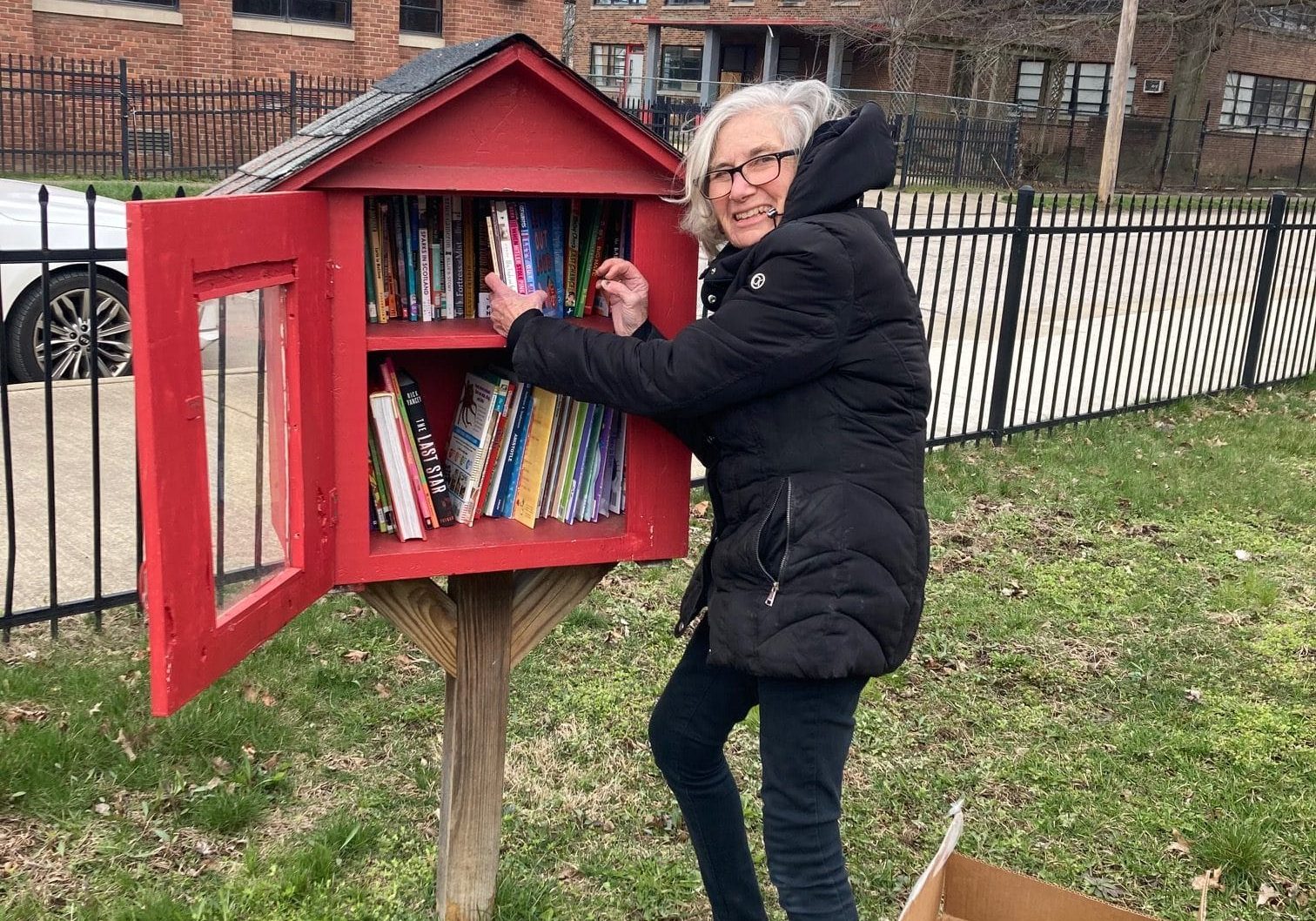
Quincy Garden.
Both photos above from the National Council of Jewish Women.
Anyone driving through Cleveland’s inner-ring suburbs will see small “book birdhouses” sitting on sidewalk corners or near schools. These colorful creations don’t just offer an assortment of free reading material; they represent a love of the printed word, say advocates.
Greater Cleveland and its surrounding communities have about 80 Little Free Libraries, part of a much larger movement that has established 150,000 registered book boxes worldwide. The local book exchange, funded by Cleveland Public Library and other sources, is monitored and replenished by 50 volunteers from the National Council of Jewish Women (NCJW).
The “take a book, share a book” initiative is further supported by the Cleveland Metropolitan School District and the Kids’ Book Bank, with the latter providing resources to keep libraries stocked. The network of participants throughout the city receive about 3,000 books each month, according to NCJW.
Though youth literacy is a focus, host sites like the Professional School of Cosmetology in Hough also carry a selection of adult and young adult material. Regardless of the ages represented, this work is especially vital for Cleveland’s low-income book deserts, says NCJW/Cleveland Literacy Coordinator Debbie Joseph.
“These are community assets that are in parks, at schools, or in front of library buildings,” says Joseph. “They go everywhere; it just depends on who in the community has recognized the need and wants to take a role.”
Caretaking is not always easy, considering the attrition of winter weather along with cases of vandalism. In the last few years, CPL and its community partners helped restore 20-plus libraries around town, alleviating some of Joseph’s frustration with book-hating miscreants.
“Sometimes I want to call it a day (with vandalized locations), but then I’ll hear stories about a kid who comes running when they see us coming,” Joseph says. “They ask if we have books about robots, or books about whatever else. That’s what keeps most of us going. The most important thing is getting the books out there.”
Closing reading gaps
Little Free Library is a grassroots nonprofit launched in 2009 by Wisconsin native Todd Bol, who carved the first “library-on-a-stick” from an old garage door in tribute to his late mother. Now headquartered in St. Paul, Minnesota, the organization provides 24/7 book access to every continent on Earth, save Antarctica.
Volunteers from Kids’ Book Bank installed Cleveland’s first Little Free Libraries in the mid-2010s. A proliferation of outdoor bookcases boosted CPL’s 2023 Cleveland Reads challenge, which engaged residents in collectively reading one million books or logging one million minutes of reading time.
Putting more books in people’s hands is always a good thing, notes Marina Marquez, community engagement and sustainability manager at CPL. About 61% of U.S. children living at or below the poverty line have no books at home, leading to reading gaps that impact at least 25 million kids.
Cleveland has its own troubles with low literacy levels. According to the National Assessment of Educational Progress, Cleveland was ranked 24th for fourth and eighth grade reading out of 25 major U.S. cities.
To that end, Little Free Libraries are much more than pleasing social infrastructure, says Marquez.
“They give families access to books and an ability to grow their libraries at home,” Marquez says. “There’s a correlation between having a library at home and higher literacy rates.”
Public book bins are just one piece of CPL’s crowded literacy ecosystem. The Book Nook at West Side Market, which launched as a temporary pop-up to promote Cleveland Reads, is now a permanent installation boasting 5,000 books. Then there’s the Edgewater BookBox, a repurposed shipping container currently acting as a waterfront library to Edgewater Park visitors.
While CPL has no direct involvement with Little Free Library, its Fix-It CLE program teaches community members to repair everyday items including sidewalk libraries. Putting books within easy reach means meeting Clevelanders where they are, adds Marquez.
“It’s about nurturing that love of reading – we try and support what’s out there as much as we can,” Marquez says. “Let’s lead people down the road of immersing themselves in reading.”
Keep our local journalism accessible to all
Reader support is crucial as we continue to shed light on underreported neighborhoods in Cleveland. Will you become a monthly member to help us continue to produce news by, for, and with the community?
P.S. Did you like this story? Take our reader survey!
Author
Related Articles
More than a card: Why Cleveland Public Library still matters in the digital age
September is National Library Card Signup Month. The Land talked with Cleveland Public Library Executive Director Felton Thomas, Jr. at the Main Library downtown.
The Movie Nerd Report: It’s “Primetime” for Northeast Ohio cinema
There’s a lot of fun screenings happening at independent theaters around Greater Cleveland this week.
Anisfield-Wolf Book Awards weekend celebrates 2026 winners at 91st annual event
“We’re taking all of the good work the partners do year round and creating a space that allows us to have conversations that create shared language for experiences that otherwise might remain private or unspoken for readers but become a special experience for everyone.”


