
World-famous birder urges inclusivity, conservation during Cleveland talk
The noted author and birding enthusiast – famous for his racially charged encounter with a woman in New York’s Central Park – may have been preaching largely to the choir, but his message of inclusivity was welcome and deeply inspiring nonetheless.
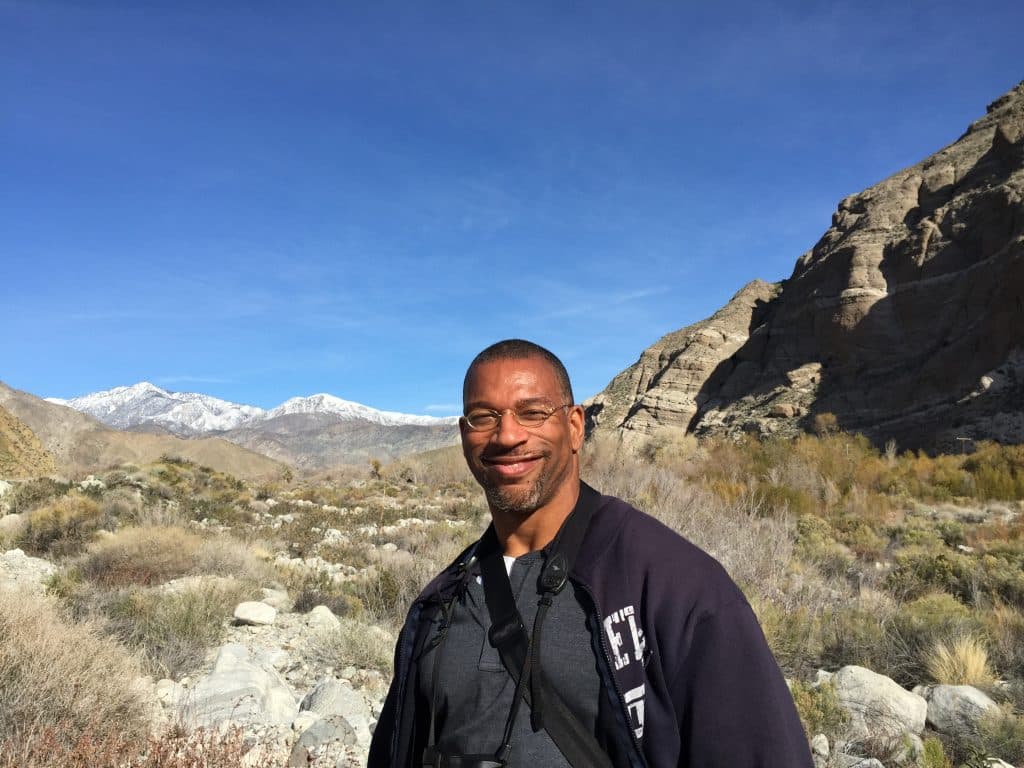
If anyone at Christian Cooper’s talk Monday night at Case Western Reserve University wasn’t already a birder, they are now.
The noted author and birding enthusiast – famous for his racially charged encounter with a woman in New York’s Central Park – may have been preaching largely to the choir, but his message of inclusivity was welcome and deeply inspiring nonetheless.
In terms of size, it’s unclear how Cooper’s audience compares to those at other lectures presented by CWRU’s Baker-Nord Institute for the Humanities. Suffice to say, he drew a crowd. The auditorium at Linsalata Alumni Center was nearly full.
What’s more, it was an engaged group. Vigorous applause greeted Cooper – author of “Better Living Through Birding” – before he spoke a word, and his reward for a rousing talk was a standing ovation. The questions he received were clearly from people who care and think a great deal about birds.
Perhaps not surprisingly, Cooper spent little time on the incident that made him a hero among birders, when a white woman called police after feeling threatened by the presence of a Black man in the park. Indeed, he only mentioned it in passing.
Still, in a way, it was the foundation of his talk. “Birding: One for All and All for One for a Better Tomorrow” was more than an ode to birds or a hobbyist’s reverie. It was an impassioned plea to transcend the Central Park woman’s myopia, to spread love for our avian friends far and wide, for their good as well as our own.
The love for birds part was easy. Slides illustrating the mind-blowing beauty of birds around the world elicited oohs and aahs aplenty, even from people who presumably had seen many such photos before. Likewise, the marvel of migration, the health benefits of birding and the urgent need for “Lights Out” initiatives and native plants weren’t exactly hard sells.
What set the talk apart were the connections Cooper drew between birds and humankind. He urged the crowd not only to admire and help birds but also to learn from them, to regard and treat them as vital to our own species.
From migration and the power birds have to adapt to new environments, Cooper said humans should derive lessons about the ephemerality of borders and the movement of people to new lands. “It’s something we can learn from,” he said. “It makes you look at the world in a different way.”
Similar morals, he added, can be drawn from stories of birds moving fluidly between genders and plumages, and from the way divisions between humans fade both in the act of gazing upon birds and in the hobby of birding itself. “It all just melts away, at least for a little,” Cooper said, concluding that “In a world where we marginalize…let’s [just] treat each other as people.”
Cooper’s boldest argument was for diversity in the field at large, for ornithology and the hobby of birding to more closely resemble the avian world. While birds and Nature in general need help from everyone, people of color especially could “use the release … that calming influence,” he said.
More broadly, if birds are to survive long-term, a greater variety of people need to take them under their wing. On this subject, Cooper dwelt for some time. He answered questions and offered practical tips on how to be more inclusive, to prevent birding from becoming a niche or homogenous pursuit.
“We need the gamut … if we’re going to save the birds,” Cooper explained. “If we don’t get new demographics, people [ultimately] will not care.”
The most encouraging and emblematic moment in Cooper’s talk – not to be confused with Cooper’s Hawk – may have been an offhand comment at the outset.
After gauging the number of self-described birders in the room, Cooper warmly assured all those who didn’t raise their hands that they’re birders, too. By the mere fact of their presence, they’re in the club.
“There is no litmus test that makes you a birder,” he said.
Keep our local journalism accessible to all
Reader support is crucial as we continue to shed light on underreported neighborhoods in Cleveland. Will you become a monthly member to help us continue to produce news by, for, and with the community?
P.S. Did you like this story? Take our reader survey!
Related Articles
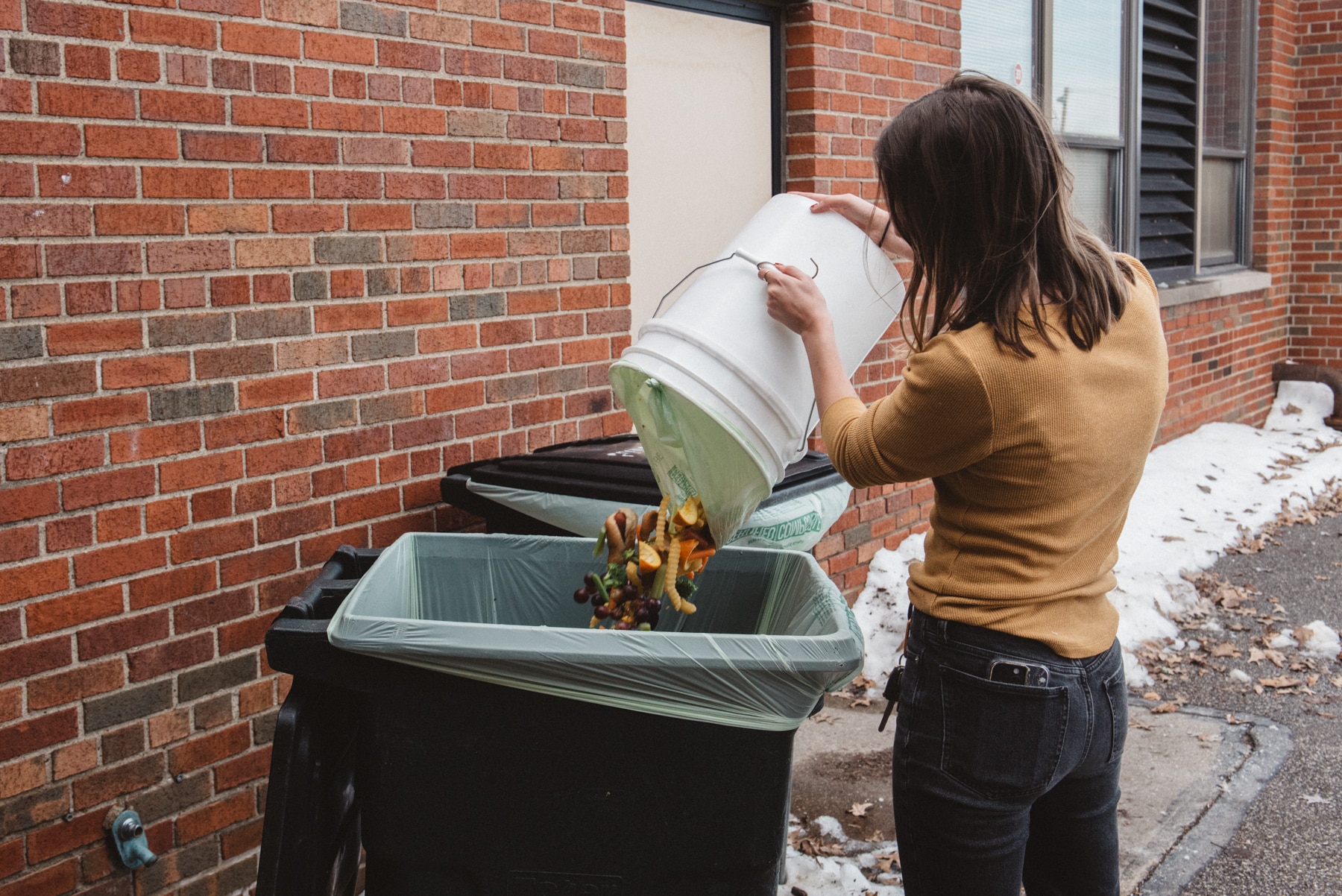
Northeast Ohio schools’ composting merges sustainability, student action
Schools throughout Northeast Ohio are turning food scraps into productive, environmentally-beneficial soil.
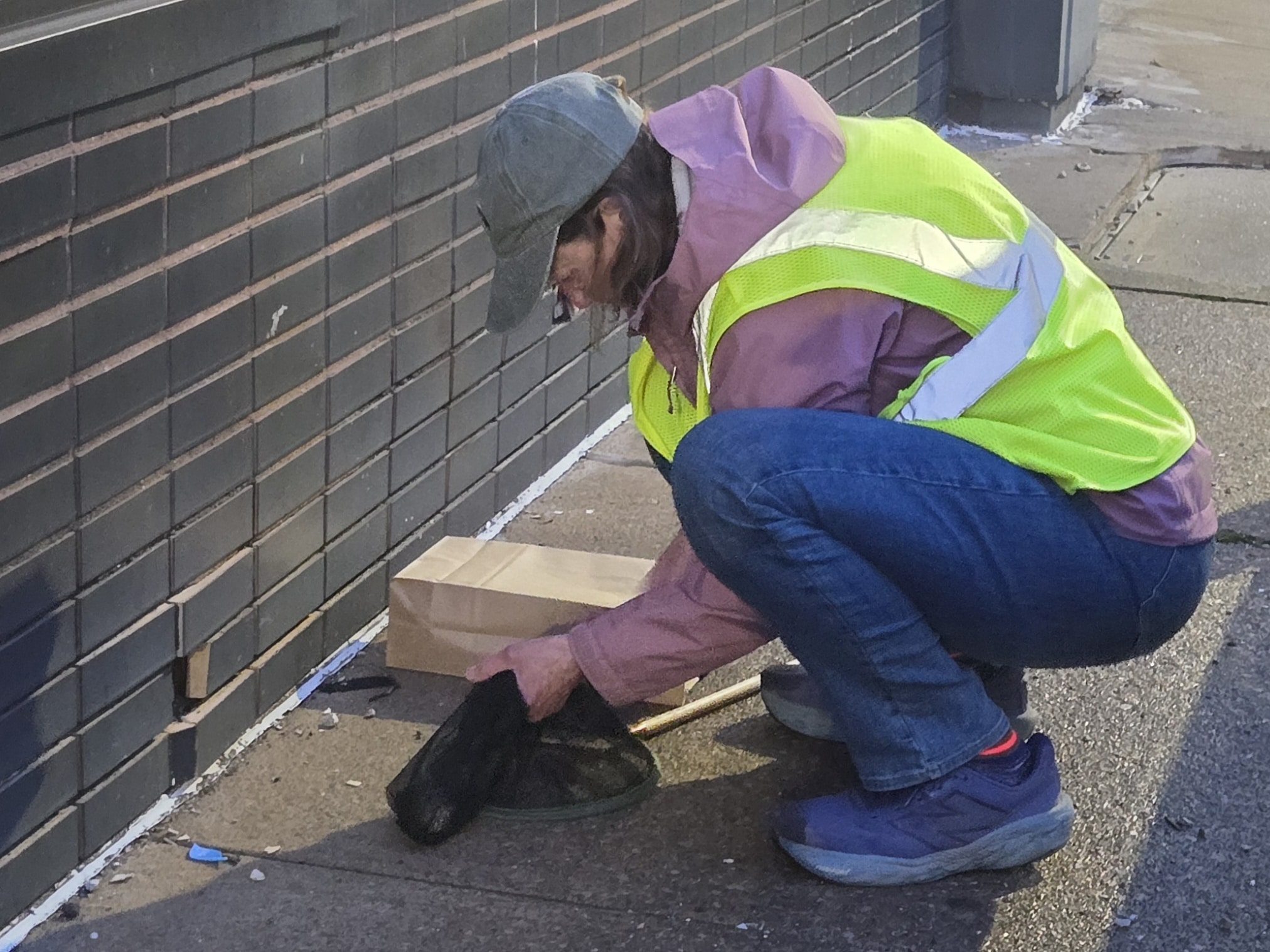
Leave the lights out for them: How a Cleveland group is trying to save the birds
Downtown Cleveland’s mass of lights and buildings can be deadly for birds. Luckily, there’s a local group trying to save our flying friends.
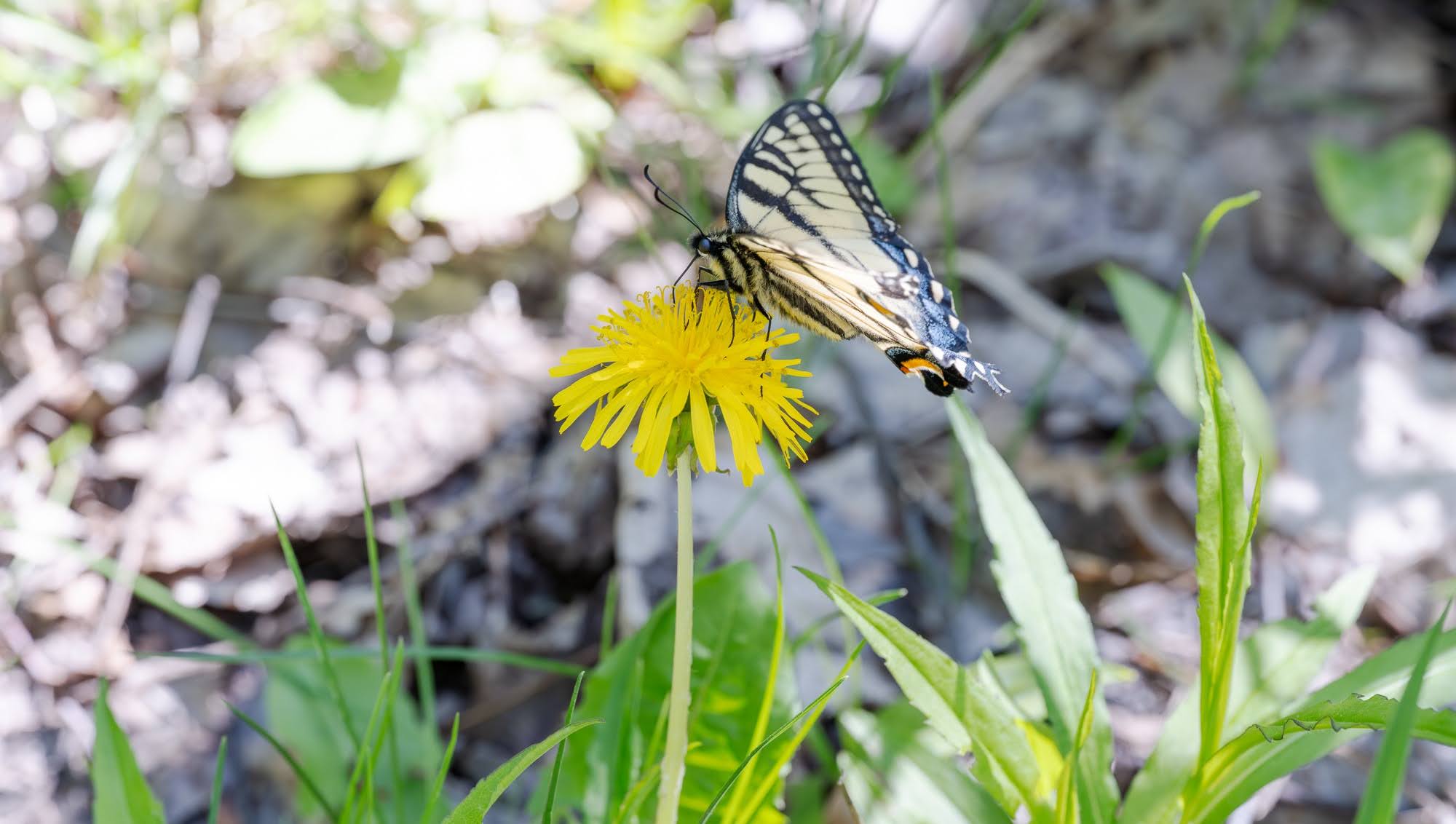
Creating the perfect pollinator garden this spring in Lakewood
Here’s how you can help butterflies, bees and other pollinators this spring and summer.


